



What's Happening?
Bryan Broaddus, a former employee of DallasCowboys.com and a football analyst, revealed that Dallas Cowboys owner Jerry Jones did not interfere with his critical reporting on former head coach Jason Garrett for three years. Broaddus stated that despite
his 'violent attacks' on Garrett, no one from the Jones family attempted to silence him. This revelation emerged during a discussion on social media platform X, where fans were criticizing Jones for the team's recent poor performance and perceived lack of accountability for coaching staff. The conversation also touched upon claims that local sports media houses tend to maintain a positive relationship with the Cowboys' coaching staff and ownership to preserve access. Former FanSided staff writer Dan Rupert corroborated this, suggesting that Jones has historically blocked access for reporters who publish critical content, implying a need for careful wording and timing to maintain media access.
Why It's Important?
This insight into Jerry Jones's management style offers a nuanced perspective on media relations within one of the NFL's most scrutinized franchises. Broaddus's experience suggests that while Jones may exert control over media access, he also permits a degree of internal criticism, at least in certain contexts. This could indicate a strategic approach to managing public perception, allowing some critical voices while maintaining overall control. The broader implication for sports journalism is the ongoing tension between critical reporting and maintaining access to team personnel and ownership. Reporters often face a dilemma: deliver hard-hitting analysis that might jeopardize access, or temper criticism to ensure continued engagement with the team. This dynamic can influence the depth and nature of sports coverage, potentially shaping public discourse around team performance and management decisions.
What's Next?
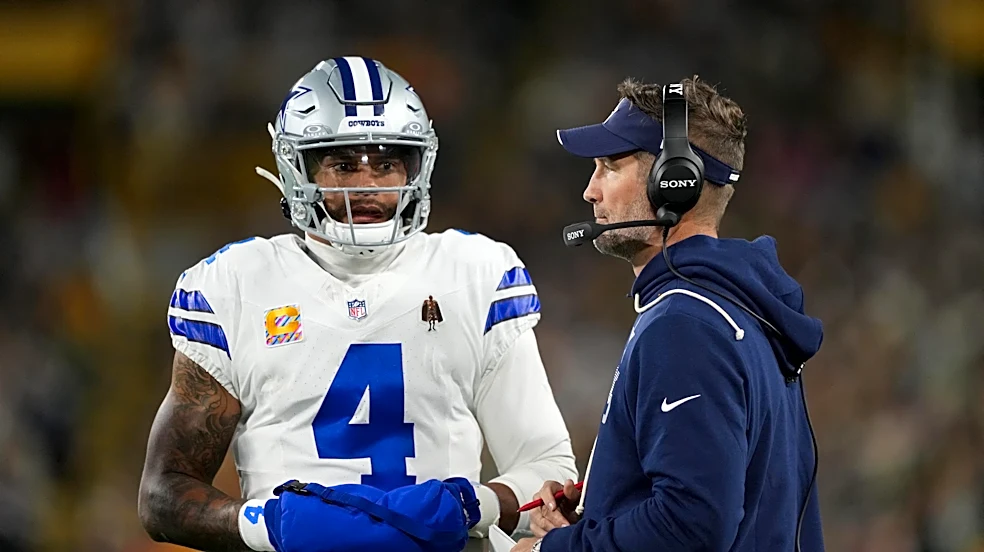
The revelations may prompt further discussion among sports journalists and fans regarding the independence of media coverage surrounding the Dallas Cowboys. It could lead to increased scrutiny of how local media outlets report on the team, particularly concerning coaching decisions and ownership involvement. For the Cowboys organization, this information might influence how they manage their public relations and media interactions, potentially leading to adjustments in their approach to granting or restricting access. Fans, now aware of these internal dynamics, might become more discerning consumers of Cowboys-related news, questioning the objectivity of reports that appear overly positive or lacking in critical analysis. The ongoing performance of the team, especially under current coaches like Brian Schottenheimer, will likely continue to fuel debates about accountability and media scrutiny.
Beyond the Headlines
The dynamic described by Broaddus and Rupert highlights a broader issue in the intersection of sports, media, and power. The ability of team owners like Jerry Jones to control media access can significantly shape narratives and public opinion, creating an environment where critical reporting might be self-censored to preserve professional relationships. This raises questions about journalistic integrity and the challenges faced by reporters in delivering unbiased information when their access is contingent on favorable coverage. The revelation also offers a glimpse into the internal culture of the Cowboys organization, suggesting a complex interplay between loyalty, performance, and public image. It underscores how powerful figures can subtly influence media landscapes, even without direct censorship, by controlling the flow of information and access to key figures, thereby impacting the transparency and accountability within professional sports.