






What's Happening?
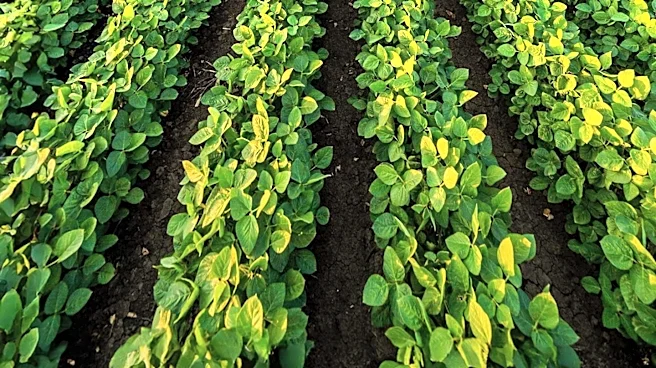
Bunge is expanding its soybean and soybean meal supply program to Vietnam through a new partnership with Bangkok Produce Merchandising (BKP), a subsidiary of Thailand’s Charoen Pokphand (CP) Group. This initiative aims to increase imports of Argentine
soybean meal and Brazilian soybeans into Vietnam. A key component of this expansion is the introduction of blockchain technology to enhance supply chain traceability. The system will monitor each stage of the supply chain, from production and processing to transportation and final delivery, ensuring transparency and compliance with international sustainability standards. Bunge will supply Argentine soybean meal directly to CP Vietnam for animal feed production and Brazilian soybeans to Vietnam Agribusiness Limited (VAL) for local processing into soybean meal, which will then be delivered to CP Vietnam’s facilities. This expansion is expected to boost the availability of protein ingredients for Vietnam’s animal feed industry.
Why It's Important?
This expansion by Bunge holds significant importance for the U.S. agricultural sector and global trade dynamics, particularly in the context of South American soybean production. While the U.S. is a major soybean producer, increased demand in Southeast Asia, facilitated by companies like Bunge, can influence global soybean prices and trade flows. The integration of blockchain technology and satellite monitoring for traceability sets a new standard for agricultural supply chains, potentially influencing U.S. producers to adopt similar transparency measures to remain competitive in international markets. This move also highlights the growing importance of sustainability and verifiable origin in agricultural commodities, which could impact how U.S. agricultural exports are perceived and valued globally. The partnership strengthens agricultural trade between South America and Southeast Asia, potentially shifting some market dynamics for U.S. soybean exports.
What's Next?
The expanded partnership is expected to solidify agricultural trade routes between South America and Southeast Asia, with Vietnam continuing to be a major destination for Argentine soybean meal and Brazilian soybeans. The implementation of advanced traceability systems, including blockchain and satellite monitoring, is likely to become a benchmark for future agricultural trade agreements and supply chain management. Other major agricultural trading companies and nations, including the U.S., may observe the success of this model and consider adopting similar technologies to meet growing demands for transparency and sustainability from international buyers. This could lead to increased investment in agricultural technology and data management across the industry. The focus on verifiable origin and environmental compliance will likely drive further innovation in sustainable farming practices globally.
Beyond the Headlines
The deeper implications of Bunge's initiative extend to the broader ethical and environmental considerations within global agriculture. The use of blockchain and satellite monitoring to verify the origin of soybeans and track land-use changes addresses critical concerns about deforestation and unsustainable farming practices. This level of transparency could set a precedent for holding agricultural suppliers accountable for their environmental footprint, potentially influencing consumer demand and regulatory frameworks worldwide. For U.S. agriculture, this could mean increased pressure to demonstrate similar levels of traceability and sustainability, especially as global markets become more discerning. The partnership also underscores the increasing role of technology in ensuring food security and ethical sourcing, transforming traditional agricultural supply chains into more complex, data-driven networks. This shift could lead to a re-evaluation of trade policies and sustainability standards across the industry.