



What's Happening?
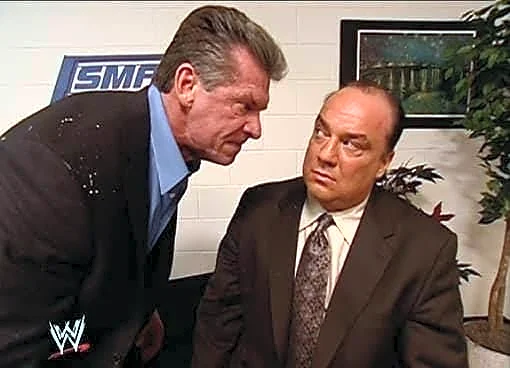
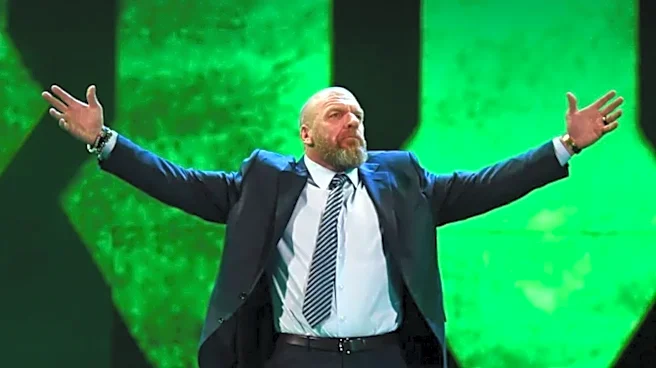
Paul Heyman recently lauded Paul 'Triple H' Levesque's leadership approach within WWE, contrasting it sharply with that of Vince McMahon. During an appearance on 'In Depth with Graham Bensinger,' Heyman described Levesque as a 'collaborator' and 'the
best editor' he has ever worked with. Heyman highlighted that unlike McMahon, who he characterized as a 'dictator' who preferred a blank slate for creative ideas, Levesque embraces existing concepts and seeks input from smart individuals with diverse perspectives. According to Heyman, Levesque's vision is to listen and collaborate, rather than imposing his own singular view. This collaborative style marks a significant shift from the previous creative environment, where pitching ideas to McMahon often involved a constant effort to convince him over his own concepts, with successful pitches ultimately becoming 'his idea.'
Why It's Important?
This commentary from Paul Heyman is significant as it sheds light on the evolving creative and leadership dynamics within WWE, a major player in the U.S. entertainment industry. The transition from Vince McMahon's highly centralized, dictatorial creative control to Paul Levesque's more collaborative approach could have profound implications for WWE's product, talent development, and overall business strategy. A collaborative environment may foster greater creativity, empower writers and performers, and potentially lead to more diverse and engaging storylines. This shift could attract new talent and retain existing ones who prefer a more inclusive creative process. For fans, it might translate into a more dynamic and responsive product, potentially boosting viewership and engagement. Conversely, it also highlights the challenges of transitioning leadership in a long-established organization, where ingrained practices must adapt to new philosophies.
What's Next?
The continued implementation of Paul Levesque's collaborative leadership style is expected to shape the future direction of WWE's programming and talent management. This approach could lead to more experimental storylines, character development, and match formats, as creative teams feel more empowered to contribute. The success of this model will likely be measured by audience reception, ratings, and the overall financial performance of the company. Stakeholders, including investors, talent, and fans, will be closely observing how this new creative philosophy translates into tangible results. The contrast drawn by Heyman also suggests that other long-standing figures within WWE may need to adjust to this new collaborative paradigm, potentially leading to further shifts in backstage roles and responsibilities. The long-term impact could redefine how professional wrestling content is produced and consumed.
Beyond the Headlines
Heyman's observations extend beyond mere wrestling commentary, offering insights into modern corporate leadership and creative management. The shift from a dictatorial to a collaborative model reflects broader trends in various industries, where employee empowerment and diverse input are increasingly valued. This change could foster a more positive and innovative work culture within WWE, potentially reducing burnout and increasing job satisfaction among creative staff and performers. Ethically, a collaborative approach can lead to more inclusive storytelling and representation, as a wider range of voices contributes to the narrative. Culturally, it signifies a move away from a singular vision, often associated with a founder, towards a more collective and adaptable creative process, which is crucial for sustained relevance in a rapidly changing entertainment landscape. This evolution could serve as a case study for other entertainment companies navigating similar leadership transitions.