




What's Happening?
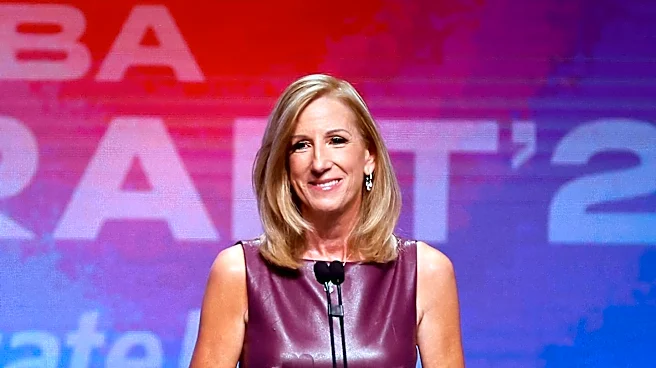
The WNBA Board of Governors recently held a meeting where no vote was taken on the controversial $75 million capital raise from 2022, despite extensive discussion. This occurred during what was expected to be Commissioner Cathy Engelbert's final address
to the board before her retirement at the end of the calendar year. The 2022 capital raise involved selling a 16% stake in the league to an investor group, which included prominent figures like Ted Leonsis and Condoleezza Rice, as well as corporations such as Nike. This decision has been criticized by league sources, who in 2025 called it a 'costly mistake,' citing that the implied valuation of $475 million significantly undervalued the league. For instance, a single WNBA franchise, the New York Liberty, was valued at $600 million, and another women's basketball league, Unrivaled, reached a $650 million valuation by August of this year. NBA Commissioner Adam Silver noted that the core issue is the misalignment of incentives created by the financial instrument, rather than solely the ownership of the 16% stake.
Why It's Important?
The lack of a vote on the controversial $75 million capital raise highlights ongoing governance and valuation challenges within the WNBA, impacting its financial future and stakeholder relations. The perceived undervaluation of the league in the 2022 deal, especially when compared to individual team valuations and other women's sports leagues, suggests potential financial losses for existing owners and missed opportunities for growth. This situation could deter future investors or complicate efforts to secure more favorable deals, affecting the league's ability to fund marketing, infrastructure, and player development. The 'misalignment of incentives' mentioned by NBA Commissioner Adam Silver indicates deeper structural issues that could hinder collaborative decision-making and long-term strategic planning. For U.S. sports and entertainment industries, this event underscores the increasing scrutiny on valuation practices in rapidly growing sectors, particularly women's sports, and the importance of transparent and equitable financial strategies to ensure sustainable growth and investor confidence.
What's Next?
Commissioner Cathy Engelbert is reportedly attempting to regain control of the 16% stake before her departure at the end of the year, indicating potential future negotiations or actions regarding the league's equity structure. The ongoing discussions about the capital structure and incentive alignment suggest that this issue will remain a priority for the WNBA's leadership and stakeholders. Future board meetings are likely to revisit these financial matters, potentially leading to new proposals or strategies to address the perceived undervaluation and ensure more equitable growth. The outcome of these efforts could influence investor confidence and the league's financial health in the coming years. Additionally, the WNBA's ability to attract and retain top talent may be affected by how these financial discrepancies are resolved, as players and teams seek fair compensation and investment in the league's future.
Beyond the Headlines
The controversy surrounding the WNBA's capital raise extends beyond mere financial figures, touching upon broader themes of equity, valuation, and the recognition of women's sports in the U.S. The significant disparity between the league's implied valuation in the 2022 deal and the market value of individual teams or comparable leagues raises questions about systemic biases in valuing women's athletic enterprises. This event could serve as a critical case study for how emerging sports leagues, particularly those focused on women, navigate investment landscapes and assert their true market worth. It also highlights the ethical considerations for leadership in ensuring fair and transparent financial practices that benefit all stakeholders, from owners to players. The long-term implications could influence how future investments are structured across women's sports, potentially leading to more robust valuation models and greater financial empowerment for female athletes and leagues.