


What's Happening?
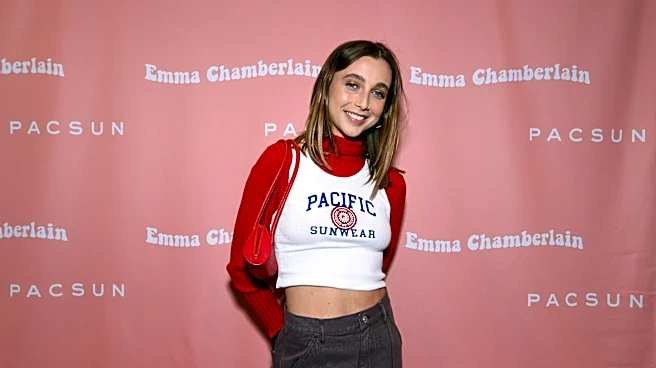
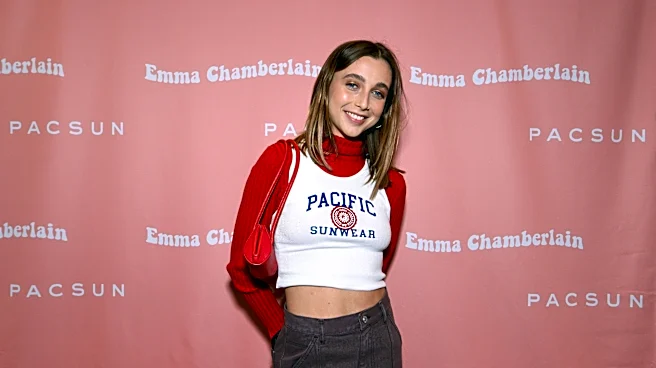
YouTube has announced a new initiative to expand its creator-led entertainment content, featuring prominent creators such as Emma Chamberlain, Nick DiGiovanni, and Aryna Sabalenka. This move signifies a growing trend where creators are developing entertainment around
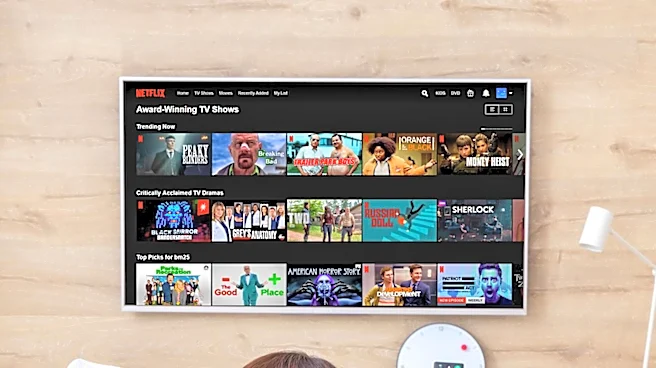
established properties, leveraging their unique humor, storytelling abilities, and existing audience relationships to make familiar worlds relevant in new ways. The platform aims to capitalize on the proven audience engagement of these creators. This expansion comes as other major streaming services like Netflix and Disney are also increasing their focus on creator-led initiatives, intensifying the competition for talent with strong audience connections. The strategy involves understanding which creators can generate sustained interest and effectively transition audiences to other content, a valuable asset for studios.
Why It's Important?
This development is important for the U.S. entertainment industry as it highlights a significant shift in content creation and consumption. The increasing emphasis on creator-led entertainment by major platforms like YouTube, Netflix, and Disney indicates a recognition of the power of individual creators to attract and retain audiences. This trend could lead to new revenue streams and opportunities for creators, while also challenging traditional studio models. For audiences, it means a wider variety of content that is often more personalized and relatable. The competition for talent with proven engagement will likely drive up creator compensation and influence, potentially reshaping how entertainment properties are developed and marketed. It also raises questions about the ownership of audience relationships—whether they belong more to the creator, the platform, or the franchise itself.
What's Next?
The expansion of creator-led entertainment is expected to continue, with platforms likely investing more in identifying and nurturing talent that can bridge the gap between individual content creation and broader entertainment franchises. We may see more collaborations between established studios and popular creators, leading to innovative content formats and cross-promotional opportunities. The success of these initiatives will depend on the platforms' ability to effectively integrate creators into their ecosystems while allowing them creative freedom. This could also lead to new metrics for evaluating content success, focusing not just on viewership but also on audience engagement and the ability to drive interest across different content types. The evolving landscape will likely prompt further discussions on intellectual property rights and revenue sharing models between creators and platforms.
Beyond the Headlines
The deeper implication of this trend lies in the democratization of entertainment production and distribution. Creators, once seen as niche content producers, are now becoming central figures in mainstream entertainment. This shift challenges traditional gatekeepers and opens up pathways for diverse voices and perspectives to reach wider audiences. Ethically, it raises questions about the responsibility of platforms in curating and promoting content, especially as creators gain more influence. Culturally, it reflects a growing preference for authentic, personality-driven content over highly polished, corporate productions. In the long term, this could lead to a more fragmented but also more diverse entertainment landscape, where individual creators hold significant power in shaping cultural narratives and trends.