







What's Happening?
Tokyo's Tsukiji Outer Market continues to be a significant culinary destination, particularly for visitors from the United States and Canada. Despite the main wholesale fish market relocating to Toyosu in 2018, the Outer Market remains active, offering
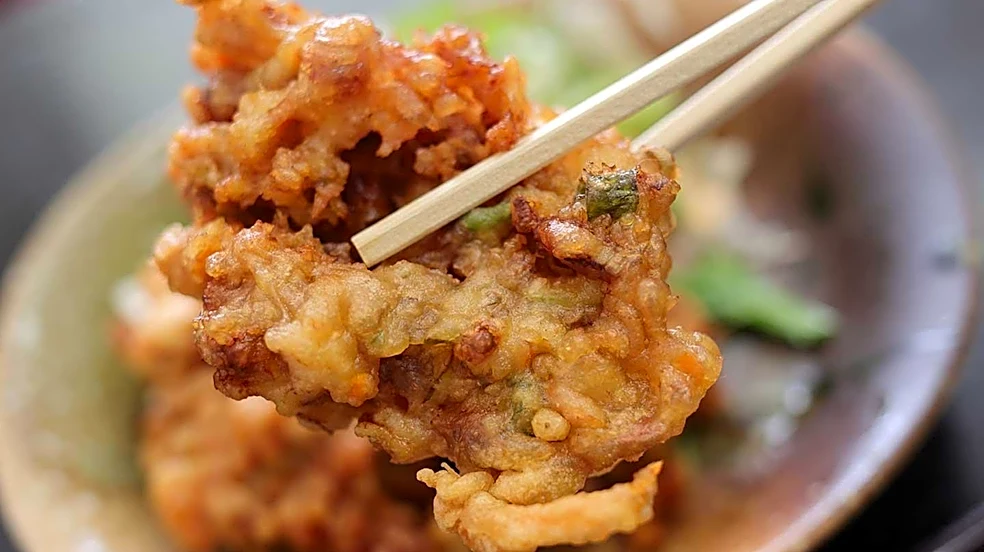
a diverse range of Japanese food experiences. Travelers can explore narrow streets filled with shops selling seafood, seaweed, dried bonito flakes, Japanese tea, kitchen knives, seasonings, and freshly prepared meals. Guided food tours, such as those offered by Washoku Club, provide an organized way to discover Japanese cuisine, sample specialties like sushi and tamagoyaki, and learn about local food traditions. These tours are designed to help international visitors navigate the bustling market, understand Japanese food terminology, and appreciate the cultural significance of the ingredients and preparation methods. The market is especially popular for its fresh Japanese sushi and sashimi, as well as traditional dishes like tamagoyaki, grilled seafood, and various Japanese snacks and ingredients.
Why It's Important?
For U.S. and Canadian travelers, the Tsukiji Outer Market offers a unique and immersive cultural experience that goes beyond typical restaurant visits. It provides a deeper understanding of Japanese culinary traditions, ingredients, and market culture. This is particularly valuable for those who are already familiar with Japanese food in their home countries but seek to explore its origins and authentic preparation. The guided tours help bridge the cultural and linguistic gaps, making the experience more accessible and enriching. The market's continued vibrancy as a food hub supports local businesses and preserves traditional Japanese food practices, contributing to Tokyo's appeal as a global culinary destination. The focus on fresh, seasonal ingredients and the meticulous preparation methods showcased in Tsukiji highlight the core values of Japanese cuisine, influencing global food trends and appreciation for quality ingredients.
What's Next?
Travelers planning a visit to Tokyo are advised to book Tsukiji Fish Market food tours in advance, especially during peak seasons. It is recommended to check the official Tsukiji market calendar for closing days, as some vendors close on Sundays, certain Wednesdays, and public holidays. Morning visits are generally recommended, between 9:00 a.m. and 2:00 p.m., to experience the market when most vendors are operating. Visitors should also be aware of market etiquette, such as not blocking pathways, eating in designated areas, and asking permission before taking photographs. For those with dietary restrictions or allergies, it is crucial to inform tour providers like Washoku Club in advance to confirm accommodation. Combining a morning Tsukiji visit with nearby attractions like Ginza or Hamarikyu Gardens can create a comprehensive day itinerary for tourists.
Beyond the Headlines
The enduring popularity of Tsukiji Outer Market, even after the relocation of its wholesale operations, underscores the cultural significance of traditional food markets in Japan. It highlights a broader trend of experiential tourism, where travelers seek authentic cultural immersion through local cuisine. The market serves as a living museum of Japanese food culture, showcasing the intricate relationship between food, tradition, and community. The emphasis on etiquette and respect for vendors reflects deeper Japanese societal values of harmony and consideration. Furthermore, the market's ability to adapt and thrive as a retail and culinary tourism destination demonstrates the resilience and evolving nature of urban spaces, balancing tradition with modern demands. This continuous evolution ensures that the market remains a vital part of Tokyo's identity and a key attraction for international visitors.