



What's Happening?
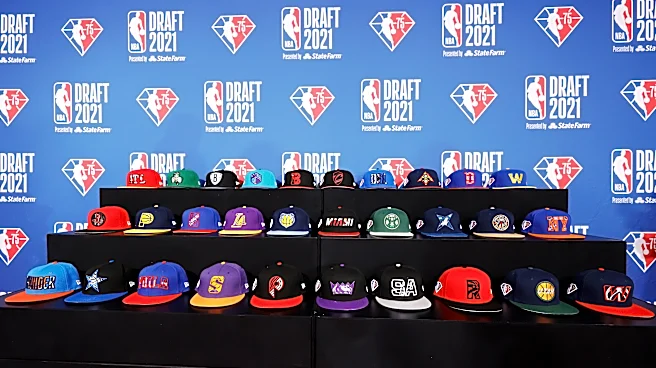
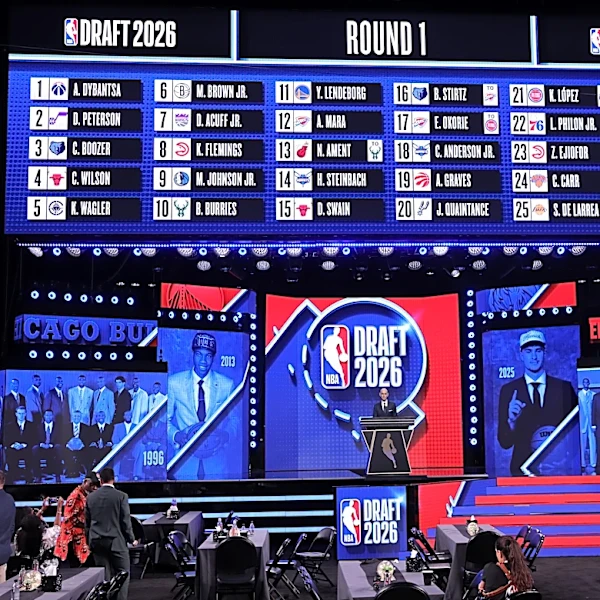
The New York Knicks engaged in a series of trades during the 2026 NBA Draft to strategically avoid the financial burden of first-round salaries. Initially, the Knicks traded their No. 24 pick to the Los Angeles Lakers, moving down to No. 25 in exchange
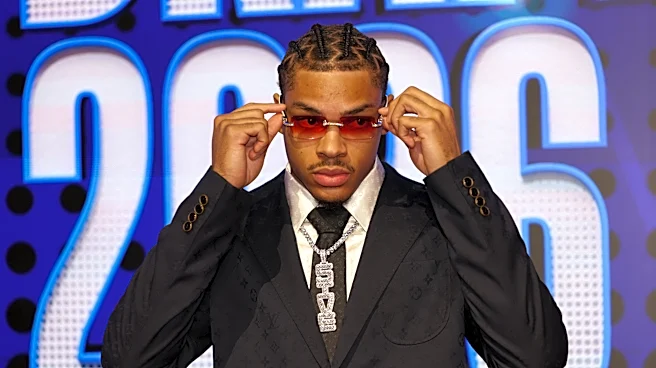
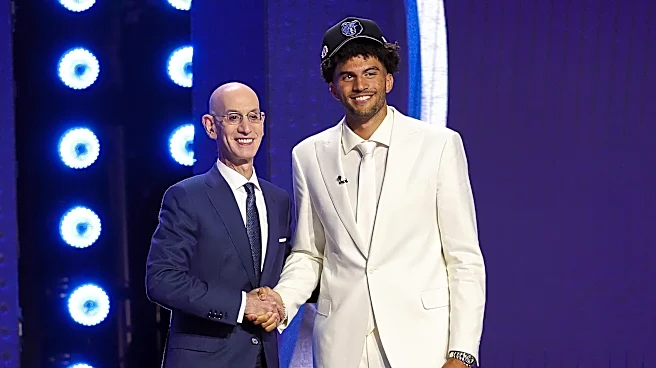
for cash considerations. They selected Spanish teenager Sergio de Larrea at this position, but subsequently traded him to the Dallas Mavericks for the No. 30 pick, Koa Peat, and two second-round picks. The Knicks then traded Peat to the Phoenix Suns for three additional second-round picks and cash. This maneuvering allowed the Knicks to exit the first round with five second-round picks and additional cash, avoiding the higher salaries associated with first-round selections. The team aims to stay under the second salary cap apron, a goal expressed by owner James Dolan.
Why It's Important?
This series of trades highlights the Knicks' strategic focus on financial flexibility and long-term planning. By avoiding first-round salaries, the Knicks can manage their salary cap more effectively, allowing them to potentially sign veteran players on minimum deals to fill roster spots. This approach is crucial as the team navigates the complexities of the NBA's salary cap structure, especially with the looming second apron, which imposes stricter financial penalties. The Knicks' decision to prioritize financial prudence over immediate talent acquisition reflects a broader trend in the NBA where teams are increasingly cautious about long-term salary commitments. This strategy could impact the team's competitiveness in the short term but positions them for greater flexibility in future player acquisitions.
What's Next?
The Knicks now hold several second-round picks, which they can use to acquire cheaper talent or as trade assets for future deals. The team will also need to make decisions regarding their current free agents, including Mitchell Robinson and Landry Shamet. Additionally, the financial implications of these trades will influence the Knicks' ability to re-sign key players and pursue new talent in free agency. The team's management will continue to evaluate their roster needs and financial constraints as they aim to build a competitive team while adhering to salary cap limitations.