


What's Happening?
Geriatric medicine experts are emphasizing the importance of adopting specific lifestyle habits throughout life to promote healthy aging and increase longevity. Dr. Elizabeth Eckstrom, a professor of medicine at Oregon Health and Science University School
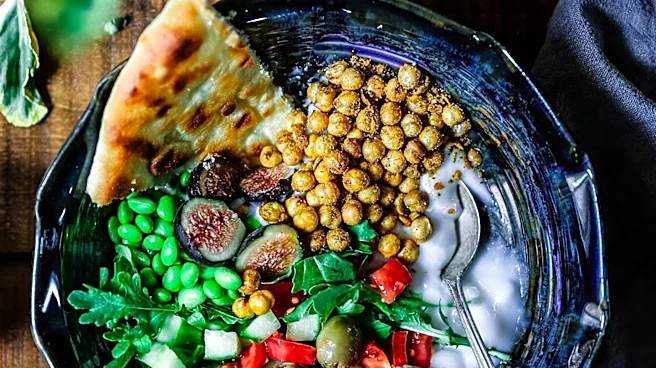
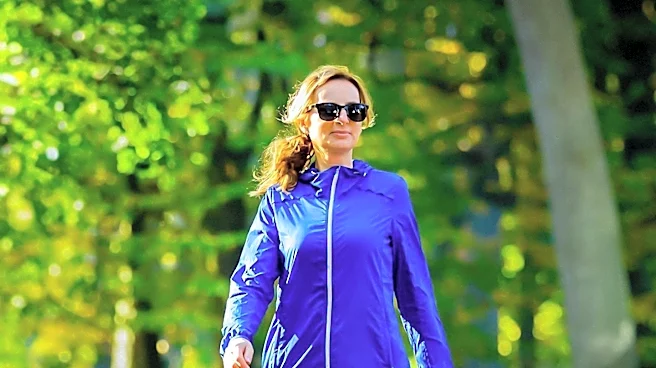
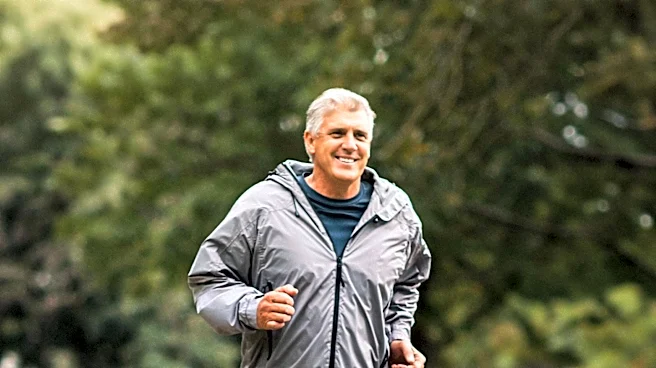
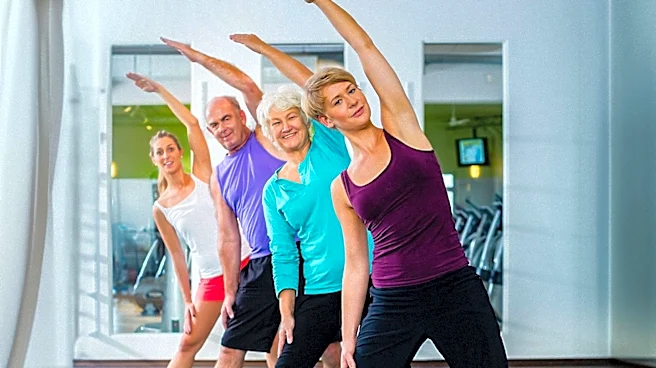
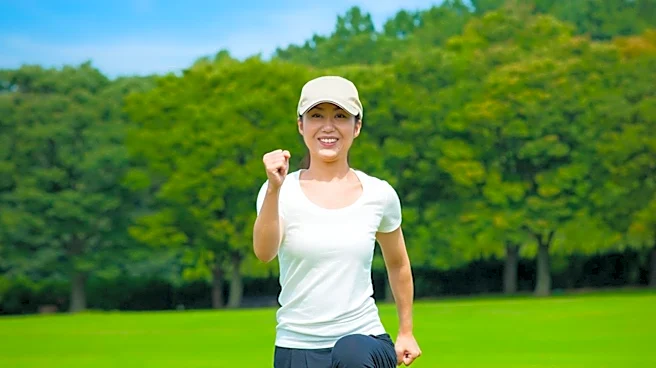
of Medicine, highlights that a lifetime of healthy practices contributes to healthy aging and a good 'healthspan.' Dr. David Nace, a geriatrician at the University of Pittsburgh Medical Center, notes that even early life factors like childhood education can influence aging. However, both experts stress that it's never too late to start making lifestyle changes, as significant benefits can still be achieved at any age. Key recommendations include prioritizing exercise, considering tai chi, protecting hearing, addressing vision loss, following a nutritious diet like the Mediterranean diet, avoiding tobacco products, limiting alcohol intake, and staying active during retirement. These habits are presented as crucial for maintaining physical and cognitive health as individuals age.
Why It's Important?
The recommendations from geriatricians underscore a proactive approach to public health, shifting focus from reactive treatment to preventative lifestyle choices. This is important for the U.S. healthcare system, which faces increasing pressures from an aging population and the associated costs of chronic diseases. By promoting habits like regular exercise and a healthy diet, there's potential to reduce the incidence of age-related conditions such as Alzheimer's dementia, falls, and various cancers, thereby alleviating strain on healthcare resources. The emphasis on tai chi, for instance, directly addresses fall risk, a major cause of disability and death in older adults, and also shows promise in improving brain function. Furthermore, addressing hearing and vision loss is highlighted not just for sensory function but also for their impact on social engagement and dementia risk, pointing to a holistic view of well-being that affects quality of life and societal participation for older Americans.
What's Next?
The continued dissemination of these expert recommendations could lead to increased public awareness campaigns and health initiatives aimed at promoting preventative health measures across all age groups in the U.S. Healthcare providers may integrate these guidelines more formally into patient consultations, encouraging individuals to adopt these habits earlier in life. Educational programs focusing on nutrition, physical activity, and sensory health could see expanded funding and reach. There might also be a greater emphasis on community-based programs, such as tai chi classes for older adults, to help implement these recommendations. Policy discussions could emerge around supporting environments that facilitate these healthy behaviors, such as walkable communities or access to nutritious food options. The long-term impact would be a healthier, more active aging population, potentially leading to reduced healthcare expenditures and an improved quality of life for many Americans.
Beyond the Headlines
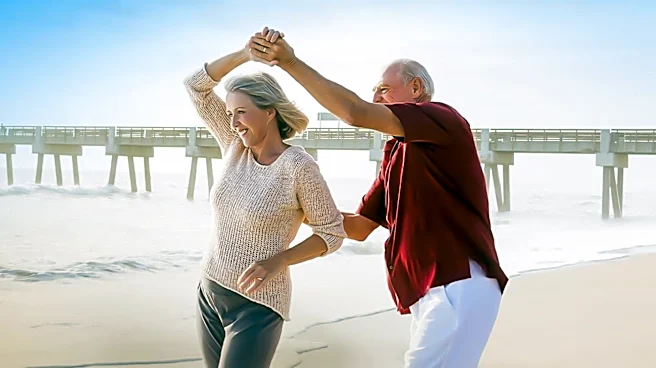
Beyond the immediate health benefits, these recommendations touch upon deeper societal and economic implications. The emphasis on staying active and engaged during retirement, for example, challenges traditional notions of retirement as a period of disengagement. This could foster new models of active aging, where older adults continue to contribute to society through volunteering, part-time work, or community involvement, thereby enriching social capital and potentially delaying the onset of age-related decline. The focus on sensory health (hearing and vision) highlights the often-overlooked connection between physical senses, social isolation, and cognitive health, suggesting a need for more integrated care approaches. Ethically, these guidelines empower individuals with actionable steps to take control of their health, but also implicitly raise questions about equitable access to resources and information that enable these healthy choices, particularly for underserved communities. Culturally, a broader adoption of these habits could shift societal perceptions of aging from one of decline to one of continued vitality and contribution.