







What's Happening?
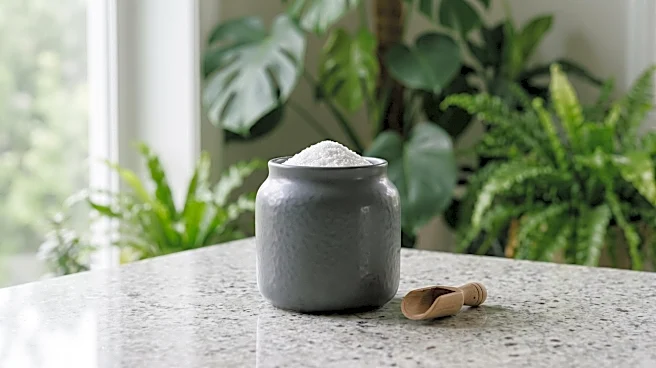
Creatine, a naturally occurring compound, is gaining recognition for its wide-ranging health benefits for women, extending beyond its traditional association with muscle building. Produced from amino acids and stored primarily in skeletal muscle and the
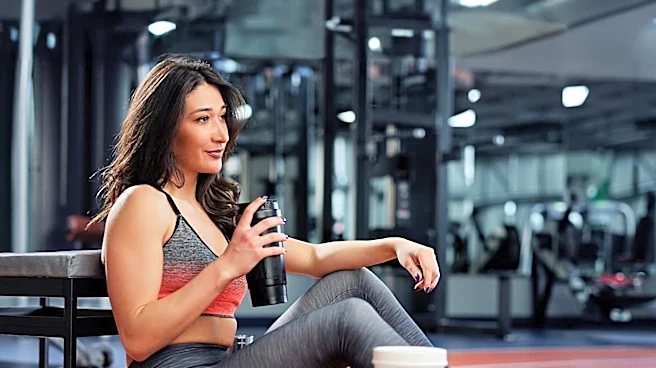
brain, creatine plays a crucial role in energy production by generating adenosine triphosphate (ATP). While the body produces creatine, supplementation is often necessary to meet optimal levels, especially for active individuals. Research indicates that women typically have 70-80% less creatine stores than men, making supplementation potentially more impactful. Studies highlight creatine's ability to support hormone balance, improve bone health, promote cellular health by enhancing mitochondrial function, and boost cognitive function and mood. For instance, daily creatine supplementation has been shown to improve athletic performance and recovery during different phases of the menstrual cycle and reduce bone loss in postmenopausal women when combined with exercise. Despite concerns about weight gain, studies suggest creatine helps develop lean muscle and any initial weight increase is usually due to water retention within muscle cells, not fat.
Why It's Important?
The expanding understanding of creatine's benefits for women is significant for public health and wellness. Historically, much of the research on creatine focused on men, leading to a perception that it was primarily for male bodybuilders. However, new findings demonstrate its relevance for women across various life stages, addressing specific health concerns such as hormonal fluctuations, bone density loss (especially post-menopause), and cognitive well-being. This shift in understanding can empower women to make more informed decisions about their nutritional supplementation, potentially improving their overall health, physical performance, and mental acuity. For the supplement industry, this broader appeal could open new market segments and drive product development tailored to women's health needs. Healthcare providers may also begin to recommend creatine more frequently as a supportive supplement for women, particularly those experiencing age-related changes or seeking to enhance their physical and cognitive health.
What's Next?
As research continues to evolve, further studies specifically focused on creatine's long-term effects and optimal dosages for women across different age groups and health conditions are anticipated. This will likely lead to more refined guidelines for supplementation. The increased awareness of creatine's benefits for women may also prompt more women to incorporate it into their wellness routines, potentially leading to a rise in demand for creatine products. Manufacturers may respond by developing more female-focused creatine supplements, possibly in different forms or combined with other nutrients beneficial for women's health. Additionally, discussions around creatine's role in women's health could become more prevalent in fitness and health communities, encouraging a more inclusive approach to supplementation. It is also crucial for individuals to consult healthcare professionals, especially if they have pre-existing conditions or are pregnant/breastfeeding, as research in these specific areas is still limited.
Beyond the Headlines
The re-evaluation of creatine's role, particularly for women, challenges traditional gendered perceptions of dietary supplements. For years, many supplements were marketed primarily to men, creating a gap in research and understanding for women's specific physiological needs. This emerging data on creatine helps bridge that gap, highlighting the importance of inclusive research in nutrition and exercise science. It also underscores a broader trend in health and wellness towards personalized approaches, recognizing that nutritional requirements can differ significantly based on gender, age, and hormonal status. Ethically, this shift encourages the supplement industry to move beyond stereotypical marketing and invest in research that benefits all populations. Culturally, it could help dismantle the notion that certain supplements are exclusively for one gender, promoting a more holistic and evidence-based approach to health for everyone.