







What's Happening?
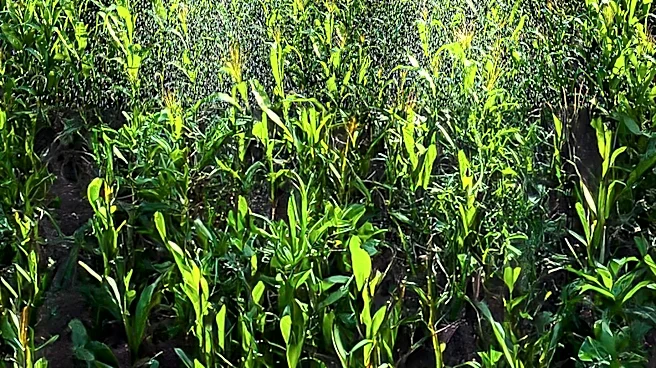
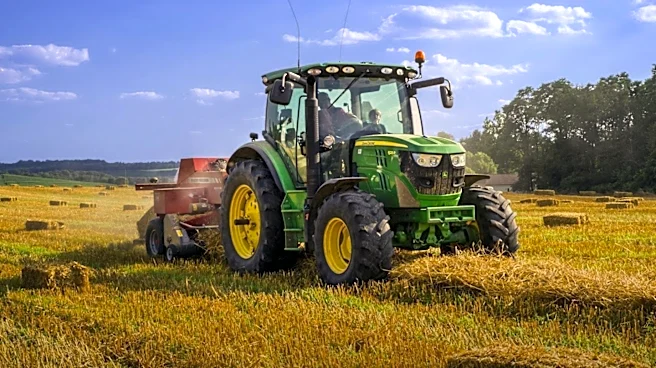
GREENEYE TECHNOLOGY has established its North American headquarters in Salina, Kansas, following a successful 2026 season. The company specializes in AI-powered targeted spraying systems for agriculture. These systems covered over 500,000 acres across
12 U.S. states during the past year. This expansion signifies a growing trend in the adoption of advanced technology for precision farming. The move to Kansas positions the company strategically within a major agricultural region, facilitating further deployment and support for its AI solutions. The technology aims to optimize agricultural practices by precisely applying treatments, which can lead to reduced chemical usage and improved efficiency.
Why It's Important?
The expansion of AI-powered targeted spraying systems holds significant importance for the U.S. agricultural sector. By enabling precise application of sprays, this technology can lead to substantial reductions in herbicide and pesticide use, benefiting environmental sustainability and potentially lowering operational costs for farmers. This innovation addresses critical challenges such as weed resistance and the need for more efficient resource management in large-scale farming operations. Farmers stand to gain from increased crop yields, reduced input costs, and a more sustainable farming model. The establishment of a North American headquarters in Kansas also indicates a commitment to the U.S. market, potentially creating jobs and fostering further technological development in the region. This trend could accelerate the broader adoption of precision agriculture, transforming how crops are managed across the country.
What's Next?
The establishment of GREENEYE TECHNOLOGY's North American headquarters in Kansas suggests a strategic focus on further integrating AI into U.S. farming practices. Future developments are likely to include continued expansion into more states and potentially a broader range of crops. The company may also focus on refining its AI algorithms to enhance accuracy and efficiency, possibly incorporating more data sources like real-time weather patterns and soil conditions. This could lead to even more precise and adaptive spraying solutions. Additionally, increased adoption of such technologies could spur competition and innovation among agricultural tech companies, leading to more advanced and affordable solutions for farmers. Regulatory bodies may also begin to develop new guidelines or standards for the use of AI in agriculture, particularly concerning data privacy and environmental impact.
Beyond the Headlines
The widespread adoption of AI-powered targeted spraying systems could have profound long-term implications beyond immediate cost savings and environmental benefits. It represents a significant shift towards data-driven agriculture, potentially altering traditional farming knowledge and practices. The reliance on AI could raise questions about data ownership, cybersecurity, and the digital divide, as smaller farms might struggle to access or implement such advanced technologies. Furthermore, the reduction in chemical use could lead to healthier ecosystems and biodiversity, but also requires careful monitoring to ensure that targeted spraying does not inadvertently create new ecological imbalances. This technological advancement could also influence agricultural labor markets, potentially shifting demand from manual labor to skilled technicians capable of operating and maintaining these sophisticated systems.