


What's Happening?
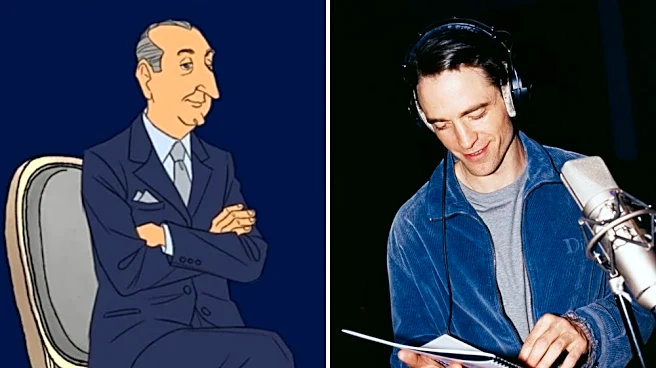
French animation filmmaker Sylvain Chomet, a four-time Oscar nominee known for 'The Triplets of Belleville' and 'The Illusionist,' is refuting accusations that generative AI was used in his animated short film for Dior, titled 'Christian Dior’s Night
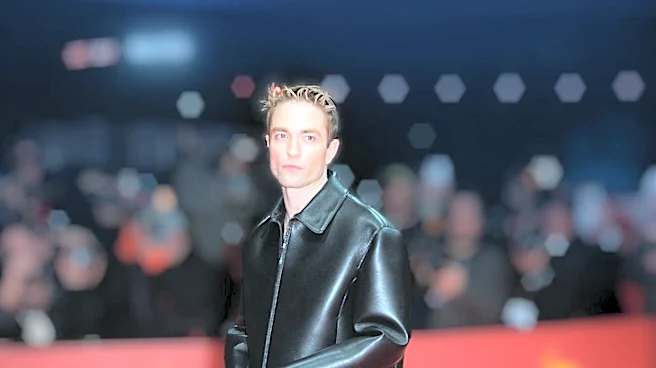
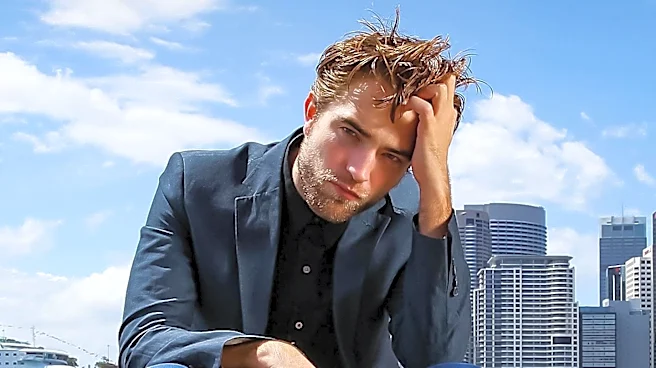
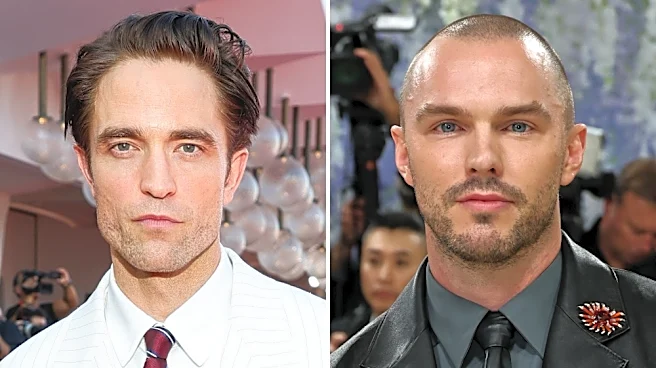
in Color.' The six-minute film, which features a voice cast including Robert Pattinson, Rihanna, and Josh O’Connor, has drawn online controversy due to perceived visual glitches, such as a character appearing with six fingers. Dior had promoted the film as a celebration of traditional craftsmanship for its 2026 holiday season, drawing parallels between Chomet’s hand-drawn animation and the meticulous work of couture ateliers. Chomet and producer Aton Soumache assert that the film was created using traditional 2D animation techniques, with all characters, backgrounds, and key poses drawn by artists. They acknowledge using automated interpolation for some intermediate frames to ensure fluid movement but firmly deny the use of generative AI for creating any artwork. Soumache stated that the film took seven months to produce and involved approximately 20 people, including animators, storyboard artists, designers, and editors.
Why It's Important?
This controversy highlights growing concerns within the creative industries regarding the use of artificial intelligence and its impact on traditional artistic practices. For Dior, a luxury brand that emphasizes craftsmanship and heritage, accusations of AI use in a project meant to celebrate hand-drawn animation could potentially undermine its brand image and messaging. For filmmakers like Chomet, who have dedicated their careers to traditional animation, such accusations are particularly frustrating, as they challenge their artistic integrity and commitment to established techniques. The debate also underscores the public's increasing scrutiny of AI-generated content, with viewers actively looking for signs of its use. The incident reflects a broader tension between technological advancement and the preservation of traditional art forms, raising questions about authenticity and the definition of 'hand-drawn' in a digital age. The discussion around 'visual glitches' as evidence of AI also points to a developing public understanding, or misunderstanding, of animation processes, where such anomalies can occur even in traditional methods.
What's Next?
The debate surrounding AI in animation is likely to continue, prompting further discussions within the film and art communities about transparency in production methods. Filmmakers and studios may face increased pressure to clearly communicate their animation processes to avoid similar controversies. This incident could lead to a greater emphasis on distinguishing between AI-assisted tools (like interpolation) and generative AI that creates original artwork, as the public and critics become more discerning. Brands collaborating with artists on creative projects may also need to be more explicit about the techniques used to maintain trust and align with their brand values. Chomet's intention to return to pencil and paper for future projects, despite working with digital tablets, suggests a potential pushback from some artists towards more tangible, traditional methods in response to the AI debate. The industry may also see the development of new standards or certifications to verify the authenticity of hand-drawn or traditionally animated works.
Beyond the Headlines
The controversy surrounding Sylvain Chomet's Dior film delves into deeper ethical and philosophical questions about art, authenticity, and the role of technology in creative expression. The public's quick assumption of AI use based on perceived imperfections reflects a broader societal anxiety about AI's potential to displace human creativity and devalue artistic labor. This incident also touches upon the evolving definition of 'hand-drawn' animation in the digital era, where artists often use digital tools that mimic traditional techniques. The line between human-made and machine-generated content is becoming increasingly blurred, challenging established notions of authorship and artistic skill. Furthermore, the situation highlights the potential for misinterpretation and misinformation in the digital age, where visual cues can be quickly misconstrued as evidence of AI. This case serves as a microcosm of the larger societal conversation about AI's integration into various industries, prompting a re-evaluation of what constitutes genuine human artistry and how it can be protected and celebrated in an increasingly automated world.