


What's Happening?
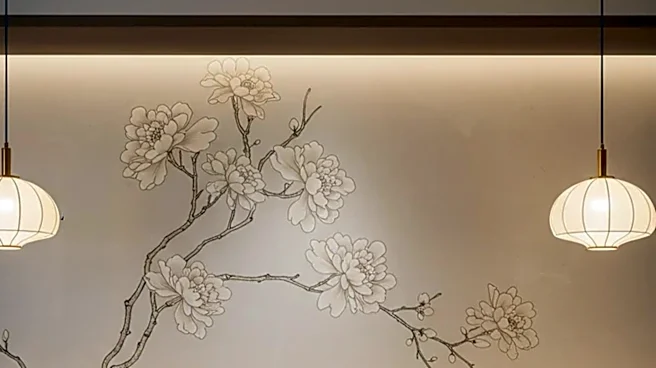
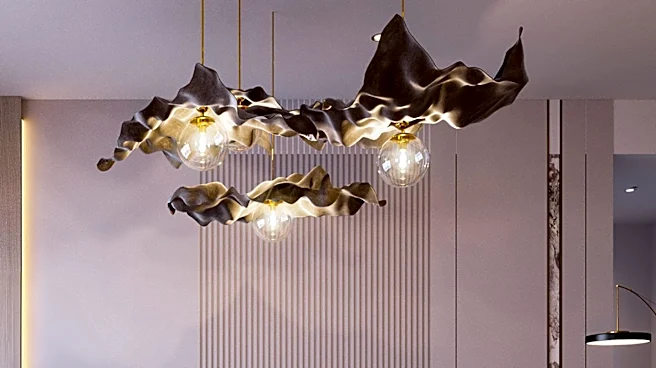
The Houseland blog provides guidance on selecting modern living room ceiling lighting, emphasizing that a statement fixture should lead the design. However, it cautions against assuming a single overhead fixture will adequately serve all areas of a room.
The blog advises homeowners to first determine whether their living room requires a visual focal point, useful light in a specific area, or both. It suggests evaluating the room in both daylight and after dark from various perspectives, including the doorway, a preferred seating area, and the opposite side of the room. The article also recommends considering wall lighting as an alternative or supplement to ceiling fixtures, especially if the primary issue is insufficient light in certain areas rather than the appearance of the existing overhead light. It highlights that a striking centerpiece might not improve the overall lighting if other areas remain visually disconnected.
Why It's Important?
This guidance from Houseland is significant for U.S. consumers and the home furnishings market as it promotes a more thoughtful and functional approach to interior lighting design. Instead of merely focusing on aesthetics, the advice encourages homeowners to consider the practical utility and overall ambiance created by their lighting choices. This can lead to more satisfying and well-lit living spaces, reducing common frustrations associated with poorly planned lighting. For retailers and manufacturers, this implies a need to educate consumers on layered lighting solutions and offer diverse products that cater to both aesthetic appeal and specific functional requirements. It also suggests a potential increase in demand for wall sconces and other supplementary lighting options, as consumers move beyond single-fixture solutions. This shift could influence product development towards integrated lighting systems and smart home compatibility, allowing for greater control and customization of lighting environments.
What's Next?
As consumers become more discerning about their lighting needs, the market for integrated and layered lighting solutions is expected to grow. Retailers may begin to offer more comprehensive lighting design consultations, helping customers plan their lighting schemes beyond just selecting individual fixtures. Manufacturers will likely respond by developing more coordinated lighting series that include ceiling, wall, and portable options, allowing for a cohesive design language across different lighting types. There may also be an increased emphasis on smart lighting systems that offer adjustable brightness and color temperature, catering to various activities and moods within a living room. Educational content from design blogs and industry experts will continue to guide consumers towards more effective and aesthetically pleasing lighting strategies, further solidifying the trend of strategic lighting design.
Beyond the Headlines
The advice to strategically select statement lighting goes beyond mere interior decoration; it touches upon the psychological impact of environment on well-being. A well-lit space, with appropriate task and ambient lighting, can significantly enhance comfort, productivity, and mood. Conversely, poorly lit rooms can contribute to eye strain, fatigue, and a general sense of unease. This focus on intentional lighting design reflects a broader trend in U.S. society towards creating homes that are not just visually appealing but also supportive of mental and physical health. It encourages consumers to view their living spaces as dynamic environments that can be optimized for different activities and times of day, rather than static displays. This deeper implication suggests a growing appreciation for the subtle yet profound ways in which design elements, like lighting, can shape daily life and overall quality of living.