








What's Happening?
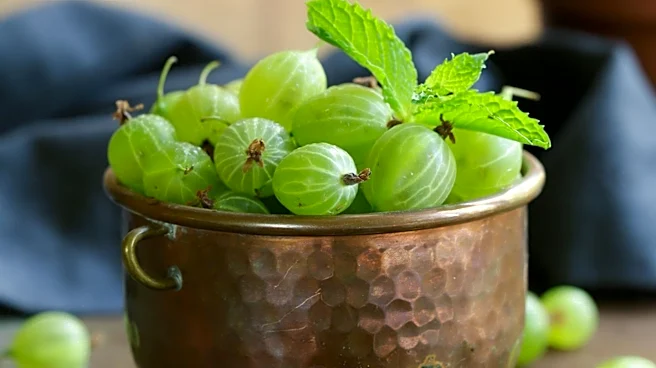
Ceylon gooseberries, botanically known as Dovyalis hebecarpa, are small, blueberry-shaped tree fruits native to Sri Lanka and Southern India. These berries, also called Ketembilla or Tropical apricot, are characterized by their dark brown-orange to deep
speckled maroon-purple skin covered with short green-gray velvety hairs. Their juicy flesh is purple-red and extremely acidic, containing 8 to 12 long, edible hairy seeds. The flavor profile ranges from sweet to puckeringly sour and astringent, often compared to cranberries, lemons, honey, papayas, and apricots. The fruit is most palatable when slightly overripe and wrinkled, as this indicates the highest sugar concentration. Ceylon gooseberries are available from late spring to early summer and again in the fall. They are cultivated in various regions globally, including Hawaii, Puerto Rico, limited areas of Cuba, Honduras, South Africa, Florida, California, South India, the Philippines, and Israel, often serving both culinary and ornamental purposes.
Why It's Important?
Ceylon gooseberries are significant due to their high nutritional value, particularly their rich content of antioxidants, polyphenols, and anthocyanins. Antioxidants are crucial for protecting the body from oxidative stress and free radical damage, which are linked to chronic diseases and aging. The polyphenols in Ceylon gooseberries may contribute to improved digestion, brain health, gut health, and insulin sensitivity, while also potentially lowering blood pressure and reducing 'bad' cholesterol levels. Anthocyanins, another key component, are known for their role in regulating blood sugar, enhancing vision and immune function, reducing inflammation and oxidative stress, and alleviating symptoms of arthritis and inflammatory bowel disease. Historically, during World War II, Floridians cultivated these berries for their unique taste and high pectin content, making them valuable for preservation and providing a vital source of nutrition during times of scarcity. This highlights their potential as a resilient and nutritious food source.
What's Next?
Given their nutritional benefits and versatility, Ceylon gooseberries could see increased interest in health-conscious markets and food innovation. Their high pectin content makes them ideal for jams, jellies, and preserves, suggesting potential for commercial development in the specialty food sector. Further research into their specific health benefits and optimal cultivation methods could expand their market presence beyond current limited commercial sales. As consumers increasingly seek out functional foods with high antioxidant properties, Ceylon gooseberries might gain traction as a 'superfruit.' Additionally, their use in various international cuisines, from Hawaiian salad dressings to Sri Lankan compotes, indicates a broad culinary adaptability that could be explored for new product development and gastronomic applications.
Beyond the Headlines
The story of Ceylon gooseberries extends beyond their immediate nutritional and culinary applications, touching upon themes of agricultural adaptation and historical resilience. Their introduction to the United States by Doctor David Fairchild, despite his personal dislike for their flavor, and subsequent naturalization in places like Hawaii, demonstrates how non-native species can become integral to local economies and cuisines. The fruit's role during World War II in Florida underscores its value as a sustainable food source during challenging times, highlighting its potential for food security and self-sufficiency. Furthermore, the fact that they are often used as ornamental hedges in many regions, rather than solely for their fruit, points to a broader ecological and aesthetic value. This dual utility as both a food source and a landscape plant suggests a deeper integration into human environments, reflecting a nuanced relationship between agriculture, culture, and environmental design.