








What's Happening?
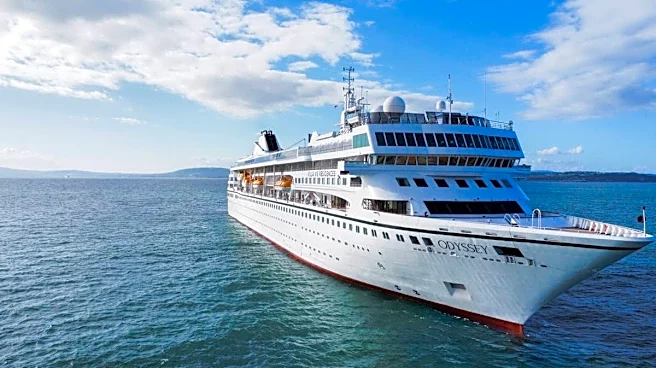
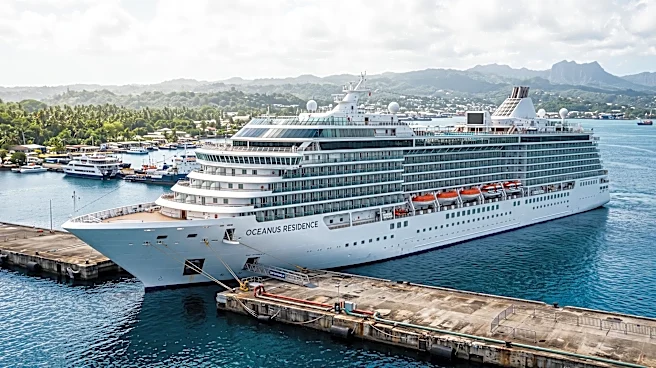
The Villa Vie Odyssey residential cruise, which offered a 3.5-year around-the-world voyage, was abruptly suspended on October 27, 2026, while docked in Sihanoukville, Cambodia. Residents, many of whom were retirees who had invested between $119,999 and
$439,999 for cabins, were given only hours to vacate the ship. The cruise, which began on October 3, 2024, was initially scheduled to run through November 2027, with plans for a second circumnavigation until 2030. According to Mikael Petterson, Villa Vie Odyssey's founder and executive chairman, the primary reason for the suspension was a dramatic increase in marine fuel costs. Prices reportedly surged from $600-$700 per metric ton to over $2,000 per ton following the onset of the Iran war, making operations financially unsustainable. CEO Kathy Villalba issued an apology to residents, which was later deleted, and expressed hope for a resident-led effort to purchase the ship. The company announced it would spend the next 60 days pursuing restructuring and recapitalization, though no specific outcome is guaranteed.
Why It's Important?
This incident highlights the significant financial risks associated with unconventional, long-term retirement plans, particularly those involving substantial upfront investments in ventures susceptible to global economic and geopolitical instability. The sudden suspension leaves hundreds of retirees, many of whom had liquidated their assets for this lifestyle, in a precarious financial and logistical situation, with no announced refunds. The event underscores how global conflicts, such as the Iran war, can have direct and severe impacts on consumer-facing industries like travel and hospitality, especially those with high operational costs like fuel. It also raises questions about consumer protections and financial transparency in niche luxury travel markets, where participants make large, long-term commitments. The situation could deter future investment in similar residential cruise concepts and prompt potential participants to scrutinize the financial stability and contingency plans of such offerings more closely.
What's Next?
Villa Vie Residences plans to spend the next 60 days attempting restructuring and recapitalization, though the company has stated that "no outcome is assured." The ship remains in a temporary layup in Cambodia with crew onboard for maintenance. Residents are currently in various situations; some have returned home, while others remain in Sihanoukville. There have been no announcements regarding refunds for the substantial investments made by the residents. The possibility of a resident-led effort to purchase the ship has been mentioned by CEO Kathy Villalba, but its feasibility and progress remain unclear. Stakeholders, including the stranded retirees, will be closely watching the company's efforts to secure new financing or find a resolution. The outcome of these restructuring efforts will determine the future of the Villa Vie Odyssey and potentially set precedents for how similar situations are handled in the residential cruise industry.
Beyond the Headlines
The abrupt end of the Villa Vie Odyssey cruise exposes deeper implications regarding the evolving landscape of retirement and the allure of alternative living arrangements. For many retirees, this cruise represented not just a vacation, but a complete lifestyle shift, a floating home, and a community. The sudden disruption shatters these dreams and highlights the emotional and psychological toll of such financial and life-altering commitments. Ethically, the incident raises questions about the responsibilities of companies offering long-term residential services, especially when participants invest their life savings. It also underscores the vulnerability of individuals who place their trust and financial security in novel business models that may lack robust regulatory oversight or sufficient contingency planning for unforeseen global crises. This event could lead to increased scrutiny from financial advisors and consumer protection agencies regarding the due diligence required for such significant investments in experiential retirement living.