



What's Happening?
The 1990s marked a significant era for country music, characterized by an explosion in popularity and the emergence of artists who successfully blended traditional sounds with broader appeal. According to Taste of Country, male country singers like George
Strait, Alan Jackson, Sammy Kershaw, and Tim McGraw were instrumental in shaping the decade's musical landscape. George Strait maintained his traditional country style with smooth vocals and fiddle-and-steel-driven songs, exemplified by hits like 'Check Yes or No.' Alan Jackson brought a fresh energy, combining honky-tonk influences with memorable songwriting, with 'Chattahoochee' becoming an iconic track. Sammy Kershaw introduced a Louisiana flavor, delivering both heartfelt ballads and playful story songs such as 'She Don't Know She's Beautiful' and 'Queen of My Double Wide Trailer.' Tim McGraw helped transition country music into its next phase with a polished sound and charismatic stage presence, establishing himself as a major star by the late 1990s.
Why It's Important?
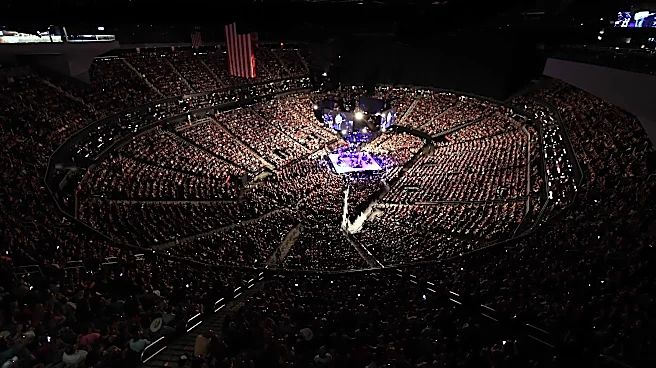
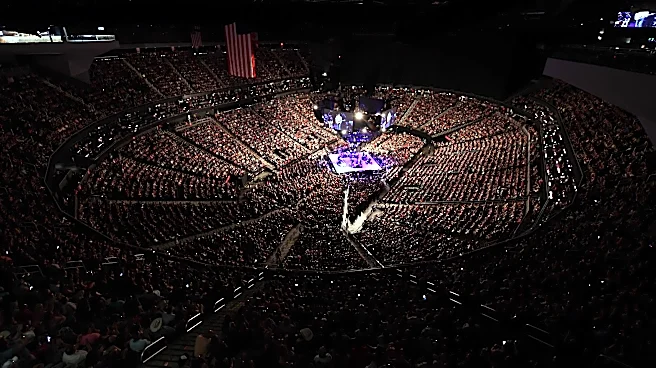
The dominance of these artists in the 1990s had a profound impact on the country music industry, expanding its audience and commercial reach. Their ability to maintain traditional country elements while achieving mainstream success demonstrated the genre's versatility and enduring appeal. This period saw country stars filling stadiums and their music becoming a staple on radio and at social gatherings, indicating a significant cultural shift. The success of artists like Garth Brooks, who brought arena-rock energy to country, further solidified the genre's commercial viability and influenced subsequent generations of musicians. The blend of traditional storytelling with contemporary production values set a precedent for how country music could evolve without losing its core identity, ensuring its continued relevance in the broader American music scene.
What's Next?
The legacy of 1990s country music continues to influence contemporary artists and the industry. The Country Music Hall of Fame and Museum regularly features exhibits on influential figures like Roger Miller and Kenny Chesney, preserving the history and impact of these eras. While the specific artists from the 1990s may not be actively releasing new chart-topping hits, their music remains a significant part of country radio and streaming platforms, often heard in public spaces like grocery stores, as noted by American Songwriter. The enduring popularity of these songs suggests a continued appreciation for the traditional sounds and storytelling that defined the decade, ensuring that the '90s country sound will likely remain a touchstone for future artists and fans.
Beyond the Headlines
The success of 1990s country music also highlights a broader cultural phenomenon: the ability of a genre rooted in traditional American values to adapt and thrive in a rapidly changing media landscape. The artists of this era, through their authentic storytelling and relatable themes, fostered a deep connection with their audience, transcending geographical and demographic boundaries. This period showcased how music could serve as a powerful vehicle for cultural identity, reflecting the lives and experiences of a significant portion of the American population. The blend of traditional instrumentation with polished production also paved the way for future genre fusions, demonstrating country music's capacity for innovation while staying true to its roots, influencing not just music but also broader entertainment and lifestyle trends.