







What's Happening?
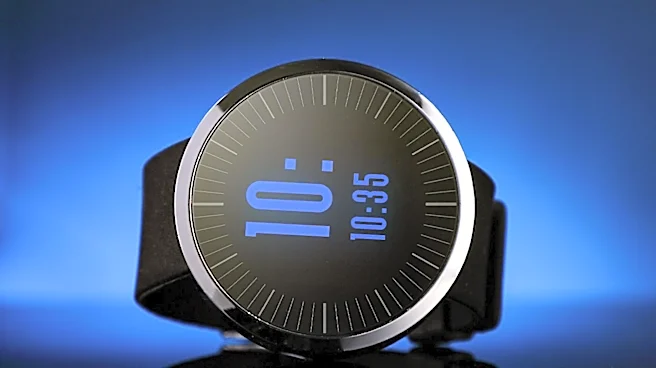
Despite the widespread adoption of USB-C charging ports across most consumer electronics, smartwatches largely continue to utilize proprietary charging methods. This trend persists even though major smartwatch brands like Apple, Google, and Samsung incorporate
USB-C into their other products. The primary reason for this divergence is the difficulty in maintaining water resistance with USB-C ports. Smartwatches are frequently exposed to water and dust due to their wrist-worn nature and are often used for tracking water-related activities such as swimming and recreational scuba diving. Achieving the necessary level of water and dust tightness with a USB-C port is challenging, leading manufacturers to opt for proprietary solutions like pogo pin connectors and magnetic charging pucks to prevent damage and ensure durability.
Why It's Important?
The continued reliance on proprietary charging methods for smartwatches has significant implications for consumers and the broader tech industry. For consumers, it results in a lack of universal compatibility, requiring multiple chargers for different devices and contributing to electronic waste. This contrasts with the convenience offered by USB-C, which allows a single cable to charge various gadgets. For the industry, it highlights a technical hurdle in integrating a universal standard while maintaining critical product features like water resistance. This situation could slow down the adoption of USB-C as a truly ubiquitous charging solution across all device categories. It also underscores the trade-offs manufacturers must make between standardization, user convenience, and product durability, particularly for devices designed for active lifestyles and harsh environments.
What's Next?
Given the current technical challenges, it is likely that smartwatches will continue to use proprietary charging solutions in the near future to ensure water resistance. However, as technology advances, there may be ongoing research and development into more robust and water-resistant USB-C port designs. The European Union's legislation, which compelled Apple to switch to USB-C for its devices, could eventually influence global standards and pressure smartwatch manufacturers to find innovative solutions. This could lead to the development of new sealing technologies or alternative charging methods that offer both universal compatibility and high levels of water resistance. Until then, consumers should anticipate needing specific chargers for their smartwatches, and manufacturers will continue to differentiate their products through unique charging designs.
Beyond the Headlines
The issue of USB-C adoption in smartwatches extends beyond mere charging convenience; it touches upon broader themes of environmental sustainability and consumer rights. The proliferation of proprietary chargers contributes to electronic waste and consumer frustration. A universal charging standard, as championed by regulations like those in the EU, aims to mitigate these issues. The smartwatch scenario highlights the complex interplay between regulatory push for standardization and the engineering realities of product design. It also raises questions about the future of wearable technology, particularly as these devices become more integrated into daily life and are expected to perform reliably in diverse conditions. The challenge of water resistance for USB-C ports in smartwatches could spur innovations that benefit other ruggedized electronic devices, pushing the boundaries of material science and connector design.