





What's Happening?
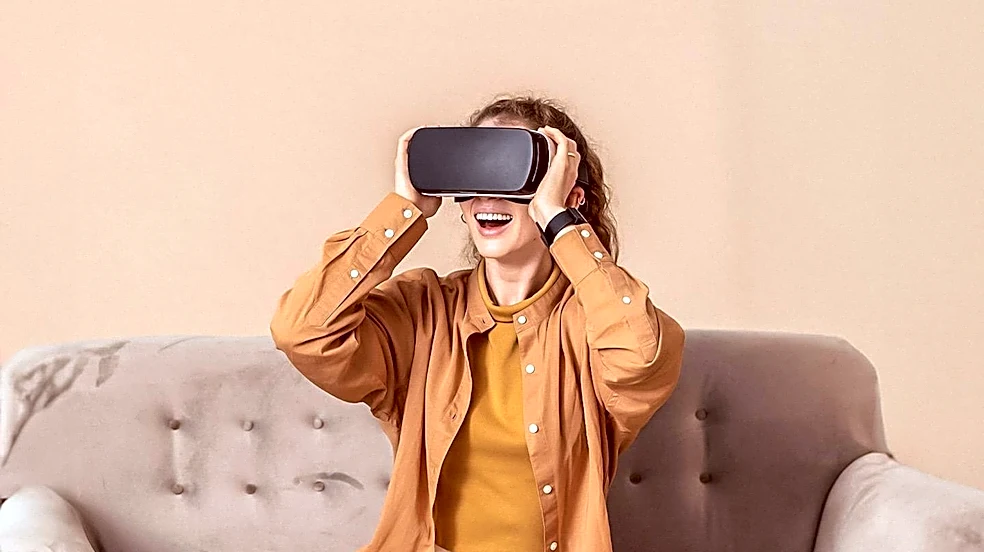
Artificial intelligence is transforming the retail experience through advanced virtual try-on tools, allowing consumers to digitally preview how products like clothing, eyewear, and cosmetics will look on them. These tools leverage AI and augmented reality
(AR) to overlay digital garments or accessories onto a user's photo or live camera feed, providing a realistic visualization. For instance, in the eyewear sector, online retailers like Zenni and Warby Parker offer sophisticated virtual try-on features that enable customers to see how different frames suit their face shape before making a purchase. Similarly, the fashion industry is integrating AI-powered virtual fitting rooms, where users can upload a photo and select clothing items to generate an outfit preview. This technology is also being applied in the beauty industry for cosmetics and in hairstyling apps, allowing users to experiment with different looks without physical trials. The goal is to enhance product visualization, personalize the shopping experience, and reduce uncertainties associated with online purchases.
Why It's Important?
The widespread adoption of virtual try-on tools is significantly impacting the retail landscape by addressing key challenges in online shopping. For consumers, these tools reduce purchase hesitation and increase confidence by offering a more accurate representation of how products will appear and fit. This enhanced visualization can lead to higher customer satisfaction and a more engaging shopping journey. For retailers, the technology is crucial for decreasing return rates, which can be a substantial cost for e-commerce businesses, particularly in fashion. By providing a better pre-purchase decision-making experience, retailers can improve conversion rates and increase average basket sizes. The integration of AI in these tools also allows for personalized recommendations and a more efficient shopping process, moving the industry closer to highly customized, futuristic retail experiences. This shift benefits both established brands and emerging online businesses by offering innovative ways to connect with customers and streamline operations.
What's Next?
The future of virtual try-on tools is expected to involve further technological advancements, including more realistic rendering, improved accuracy in fit predictions, and seamless integration across various retail platforms. As hardware miniaturization, cloud computing, and 5G connectivity evolve, these tools will become more accessible and sophisticated, enabling real-time, high-fidelity immersive experiences. We can anticipate broader application in omnichannel retail strategies, where virtual try-ons will bridge the gap between online and in-store shopping. The integration of AI for predictive personalization and real-time data analytics will further optimize retail workflows and consumer insights. Additionally, the development of lightweight, affordable AR glasses could accelerate adoption, making virtual try-ons a more ubiquitous part of daily shopping. Retailers will likely continue to invest in these technologies to stay competitive, offering consumers increasingly personalized and interactive shopping experiences.
Beyond the Headlines
Beyond the immediate benefits of reduced returns and enhanced customer experience, the proliferation of virtual try-on tools signals a deeper transformation in consumer behavior and retail ethics. These tools foster a more considered purchasing process, potentially leading to consumers buying 'less but better' by making more informed choices about fabrics, care instructions, and overall suitability. This could contribute to more sustainable consumption patterns by reducing impulse buys and the environmental impact of returns. However, ethical considerations around data privacy and the potential for AI-driven tools to influence purchasing decisions also emerge. As these technologies become more sophisticated, the line between helpful assistance and persuasive marketing may blur, necessitating transparent practices and robust data protection. The long-term shift could see a retail environment where physical try-ons become less common, fundamentally altering the traditional shopping experience and the role of brick-and-mortar stores.