







What's Happening?
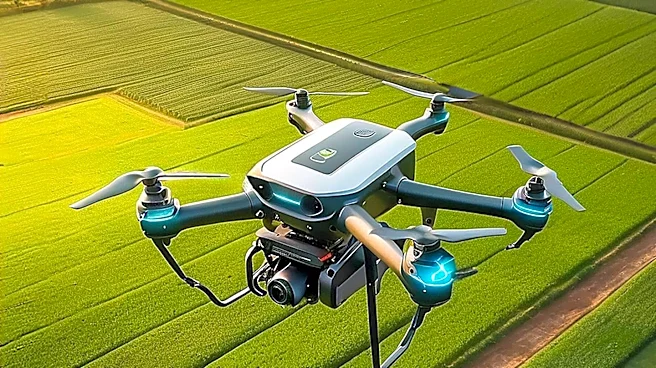
Agricultural businesses are increasingly adopting technology, such as AI-driven analytics and IoT-enabled sensors, to enhance productivity and decision-making. However, this technological integration has exposed them to a range of cybersecurity threats,
including ransomware, malware, and data breaches. These threats can disrupt operations, compromise food safety, and lead to financial losses. The agricultural sector is now recognizing the need for robust cybersecurity measures to protect against these risks and ensure the integrity of their operations.
Why It's Important?
The growing reliance on technology in agriculture highlights the sector's vulnerability to cyberattacks, which can have severe consequences for food production and supply chains. As agriculture becomes more digitized, the potential impact of cybersecurity incidents increases, affecting not only individual businesses but also the broader food industry. Implementing effective cybersecurity strategies is crucial to safeguarding agricultural operations and maintaining consumer trust in food safety and supply reliability.
What's Next?
Agricultural businesses must prioritize cybersecurity by conducting regular risk assessments, training employees, and developing incident response plans. Collaboration with cybersecurity experts and legal counsel will be essential to address vulnerabilities and comply with data protection regulations. As the sector continues to evolve, ongoing investment in cybersecurity will be necessary to protect against emerging threats and ensure the resilience of agricultural operations.