






What's Happening?
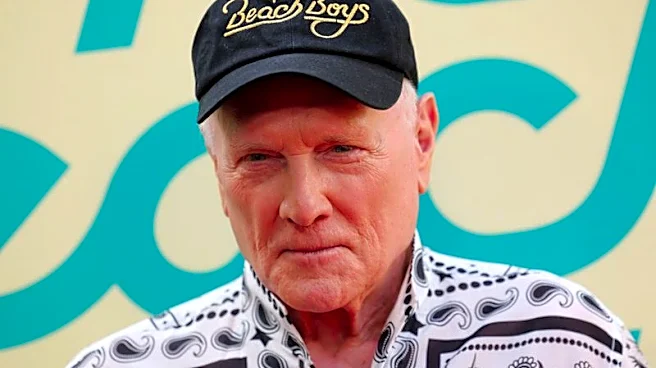
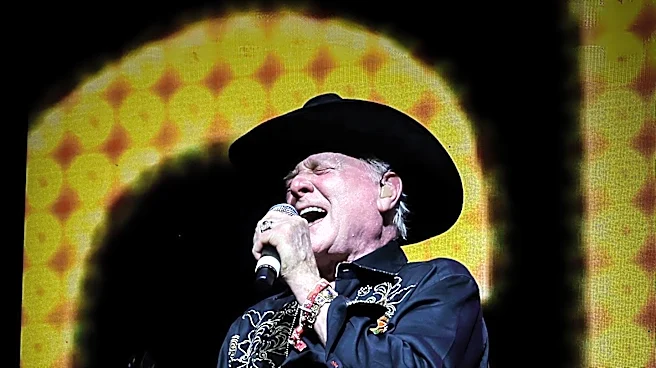
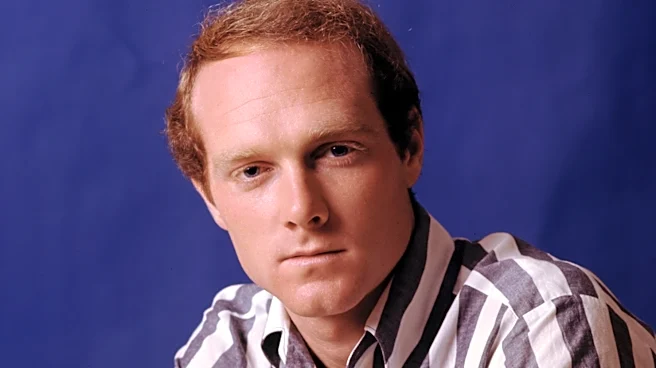
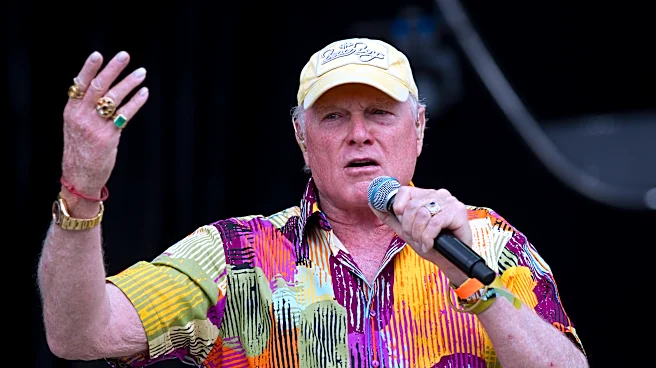
Mike Love, a co-founder of The Beach Boys and a key figure in shaping the band's sound, has died at the age of 85. His representative, Katie Altman, confirmed his passing, stating he died surrounded by family. The cause of death was not provided, though
NBC Los Angeles reported paramedics responded to a medical emergency at his Malibu home. Love had been experiencing health issues, with longtime Beach Boys special guest John Stamos noting his frail appearance at an October show and mentioning 'serious health challenges.' Love co-founded The Beach Boys in 1961 with his cousins Brian, Carl, and Dennis Wilson, and Al Jardine. He was instrumental in many of the group's hits, including 'California Girls' and 'Surfin' U.S.A.', often sharing lead vocals. Despite the band's success, Love was also known for his conflicts with Brian Wilson and other members, leading to a reputation as a 'band villain' by some fans. He addressed this perception in a 2016 interview with Rolling Stone, questioning why he was cast in that role regarding the 'Smile' album's demise.
Why It's Important?
Mike Love's death marks the end of an era for one of America's most iconic bands. His contributions were central to The Beach Boys' distinctive sound, which profoundly influenced American music and culture. Love's bass-baritone voice and songwriting credits on numerous hits cemented the band's place in rock history. Beyond his musical contributions, Love played a significant role in maintaining The Beach Boys' commercial viability for decades, often performing as the sole original member. His legal battles over the band's name and publishing rights highlight the complex business and personal dynamics within successful music groups. These disputes, including a 1993 lawsuit that awarded him over $2 million in back royalties for 35 songs, underscore the financial stakes and intellectual property issues prevalent in the music industry. His ability to keep the band touring and relevant, even amidst internal strife, demonstrates his business acumen and dedication to the Beach Boys brand, ensuring their music continued to reach new generations of fans.
What's Next?
The passing of Mike Love will likely prompt renewed reflection on The Beach Boys' enduring legacy and the complex relationships within the band. Tributes from fellow musicians, fans, and industry figures are expected to continue, celebrating his contributions to music. The future of The Beach Boys as a touring entity without Love, who had been the primary torchbearer for live performances for many years, remains to be seen. While other members like Brian Wilson and Al Jardine have pursued their own projects, Love's version of The Beach Boys had consistently toured. His death may lead to further discussions about the band's archives, unreleased material, and how their extensive catalog will be managed and presented in the coming years. The event could also spur renewed interest in documentaries or biographical works exploring the full scope of the band's history, including Love's perspective on its internal dynamics and creative processes.
Beyond the Headlines
Mike Love's career with The Beach Boys extends beyond just music; it encapsulates a significant chapter in American cultural history, reflecting the evolution of rock and roll and the complexities of fame. His role as both a creative force and a controversial figure highlights the often-strained balance between artistic vision and commercial success within a band. Love's conservative leanings and outspoken nature, which sometimes clashed with the prevailing counterculture of rock, also offer a glimpse into the diverse personalities that shaped the music scene. His lifelong meditation practice, influenced by Maharishi Mahesh Yogi, reveals a personal journey distinct from the band's public image. The ongoing debates about his influence on Brian Wilson's more experimental work, particularly 'Pet Sounds' and 'Smile,' underscore the subjective nature of artistic collaboration and the lasting impact of creative differences. Love's story is a testament to the enduring power of music to transcend personal conflicts, while also illustrating the deep personal and financial stakes involved in maintaining a legendary band's legacy.