







What's Happening?
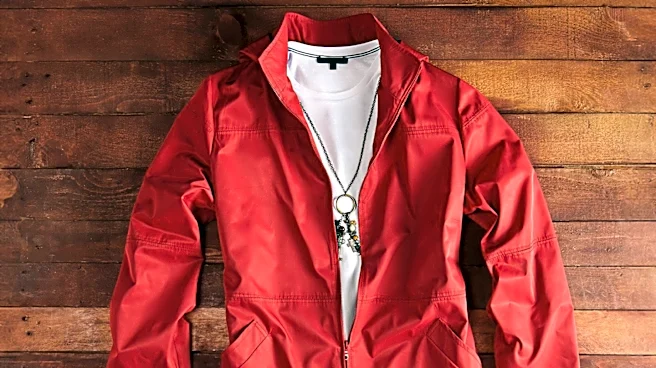
Arc'teryx, the Canadian outdoor brand, has launched its first circular hardshell jacket, the Sperro SV, priced at $1,200. This product debuts under System 0, a new framework designed to create gear with durability, repairability, and material recovery
in mind. The Sperro SV features a Gore-Tex Pro ePE laminate made with recycled Econyl nylon and no intentionally added PFAS. The jacket is designed for easier repair, including a replaceable zipper slider and over 80 available repairs through Arc'teryx's ReBird program. Owners who register the jacket receive three years of complimentary repairs for functional damage. Once the jacket can no longer be repaired, ReBird will disassemble it, and Aquafil will chemically recycle its nylon face fabric and backer into new Econyl yarn. The Sperro SV is the first Arc'teryx product certified under Testex Circularity, a standard evaluating durability, repairability, and recyclability.
Why It's Important?
This launch is significant for the U.S. outdoor apparel market as it represents a high-profile commitment to circularity from a leading brand. The $1,200 price point positions circular design as a premium offering, potentially influencing consumer perception and willingness to invest in durable, repairable, and recyclable products. For the broader industry, it sets a new benchmark for integrating circular principles into product development, pushing other brands to innovate in material science, repair services, and end-of-life solutions. The partnership with Aquafil for chemical recycling highlights the importance of collaboration across the supply chain to achieve true circularity. This initiative could accelerate the adoption of similar practices across the U.S. outdoor and fashion sectors, driving demand for recycled materials and robust repair infrastructures.
What's Next?
Arc'teryx will continue to develop and expand its System 0 framework, likely introducing more circular products across its range. The success of the Sperro SV will be closely watched by competitors and consumers, influencing future product development and pricing strategies in the sustainable apparel market. The brand will need to demonstrate the effectiveness of its ReBird program in terms of actual repair rates and material recovery yields. Further, the industry will be observing how Arc'teryx addresses the recyclability of non-nylon components and the long-term performance of recycled materials. This move could also spur more brands to seek certifications like Testex Circularity, increasing transparency and accountability in sustainability claims.
Beyond the Headlines
The Sperro SV represents more than just a product launch; it's a statement about the future of consumer goods and the responsibility of brands. By designing for repair and eventual material recovery, Arc'teryx is challenging the traditional linear consumption model. The high price point also raises questions about accessibility and whether circular fashion will remain a luxury or become mainstream. Ethically, it pushes the industry to consider the entire lifecycle of a product, from design to disposal, and to invest in systems that minimize environmental impact. This initiative could foster a cultural shift towards valuing longevity and repair over constant consumption, potentially influencing consumer behavior and expectations for product durability and end-of-life solutions across various industries.