




What's Happening?
Wellness escapes are increasingly becoming a standard lifestyle choice, moving beyond traditional vacations to encompass comprehensive health-focused experiences. This trend is particularly evident in regions like Southeast Asia, where there's a significant
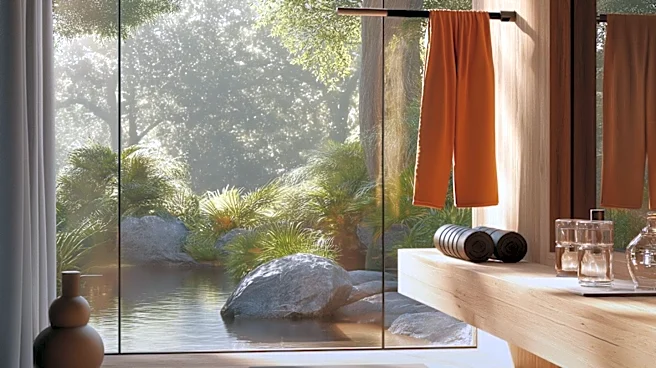
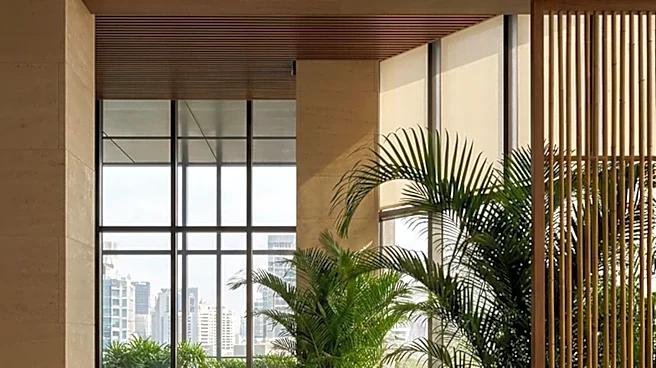
rise in wellness tourism. Travelers now seek mindfulness retreats, restorative environments, and traditional healing practices, rather than just basic hotel gyms. This shift is transforming the hospitality sector, with a growing demand for properties that integrate authentic cultural elements and localized heritage. In the real estate market, wellness is becoming a core design and selling proposition for luxury homes, which are now expected to include spa-like amenities. This indicates a broader societal move towards prioritizing well-being in both travel and residential living.
Why It's Important?
This evolution of wellness escapes into a lifestyle norm has significant implications for the U.S. hospitality, real estate, and tourism industries. For hospitality, it means a need to re-evaluate offerings, moving beyond standard amenities to provide more immersive and health-centric experiences. Hotels and resorts that fail to adapt may lose market share to competitors offering specialized wellness programs. In real estate, the demand for wellness-integrated homes could drive innovation in residential design and increase property values for those incorporating such features. This trend also highlights a growing consumer focus on mental and physical well-being, suggesting opportunities for businesses that can cater to this demand, from specialized wellness product manufacturers to health service providers. The shift could also influence public policy discussions around health and urban planning, as communities may seek to incorporate more wellness-oriented infrastructure.
What's Next?
Looking ahead, the hospitality industry is expected to continue its pivot towards personalized, intentional experiences, moving away from mass-market models. Marriott International's Asia Pacific report indicates that 72% of affluent travelers plan to increase their luxury travel spending within the region, specifically targeting bespoke and trusted premium experiences. This suggests a future where travel is less about passive sightseeing and more about active, meaningful engagement with local cultures and personal growth. Real estate developers will likely further integrate wellness features into new constructions and renovations, making spa-like amenities and restorative spaces standard in luxury offerings. The emphasis on 'Signal Severance' and 'Whycation' travel, focusing on digital disconnection and restorative goals, will also drive demand for destinations that offer tranquility and opportunities for deep relaxation. This will likely lead to increased investment in remote or naturally rich locations for wellness-focused developments.
Beyond the Headlines
The deeper implications of this trend extend to societal values and the perception of luxury. Authenticity is becoming the new luxury, with travelers prioritizing meaningful connections and cultural immersion over generic international chains. This shift reflects a broader desire for experiences that offer mental clarity, personal growth, and a deeper connection to the environment. It also highlights an ethical dimension, as sustainable and slow travel gain prominence, reducing pressure on local communities and supporting local economies directly. The move towards wellness as a core component of daily life, rather than an occasional indulgence, could lead to long-term shifts in consumer behavior, influencing everything from food choices to urban planning. This suggests a future where well-being is not just a personal pursuit but a fundamental aspect of design, commerce, and community development.