




What's Happening?
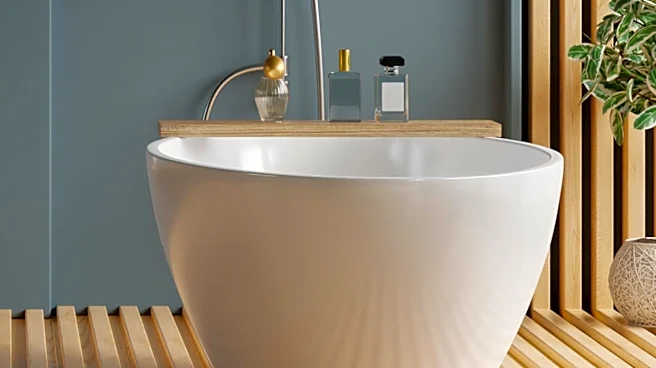
A growing trend in luxury bathroom remodeling involves integrating a freestanding bathtub within a walk-in shower area, creating a sophisticated wet room design. This layout combines the convenience of a daily shower with the relaxation of a soaking tub in a single,
waterproofed zone. Unlike traditional tub-shower combinations, where the tub is often against a wall, this design positions the freestanding bathtub as a central feature, surrounded by elegant materials and glass. Common elements include a spacious shower area, waterproof walls and flooring, glass panels, and a carefully planned drainage system. This approach is particularly favored in primary bathrooms and spa-inspired designs, offering a seamless and open aesthetic that makes the bathroom feel larger and more customized.
Why It's Important?
This design trend reflects a shift in homeowner priorities towards creating more luxurious and spa-like experiences within their homes. By combining a bathtub and shower in a single wet room, homeowners no longer have to choose between convenience and comfort, maximizing the utility and appeal of their bathroom space. This is especially significant in the U.S. housing market, where luxury amenities and unique design features can significantly increase property value and marketability. The emphasis on high-quality materials like stone resin and solid surface bathtubs, coupled with frameless glass and large-format tiles, caters to a demand for premium finishes and a sophisticated aesthetic. This trend also highlights the importance of meticulous planning in bathroom renovations, particularly concerning waterproofing and drainage, to ensure long-term functionality and prevent costly issues.
What's Next?
The increasing popularity of bathtub-inside-walk-in-shower designs suggests a continued evolution in bathroom architecture and interior design. We can anticipate further innovations in waterproofing technologies, drainage systems, and material science to support these complex installations. Designers and contractors will likely develop more standardized approaches and specialized products to make these luxury features more accessible and efficient to install. There may also be a rise in demand for compact versions of these designs, allowing homeowners with smaller bathrooms to incorporate similar luxury elements. Furthermore, as smart home technology advances, we might see integration of features like automated temperature control, chromotherapy lighting, and digital shower interfaces within these wet room environments, enhancing the spa-like experience even further.
Beyond the Headlines
Beyond the aesthetic and functional benefits, the adoption of wet room designs with integrated bathtubs signifies a broader cultural shift towards self-care and wellness within the home. The bathroom is increasingly viewed not just as a utilitarian space but as a personal sanctuary for relaxation and rejuvenation. This trend also underscores the growing consumer desire for customization and personalization in home design, moving away from generic layouts towards spaces that reflect individual lifestyles and preferences. The technical complexities involved in proper waterproofing and drainage for these designs also highlight the importance of skilled craftsmanship and adherence to building codes, potentially elevating standards within the construction and remodeling industries. This focus on durability and quality ensures that these luxurious spaces are not only beautiful but also built to last, offering long-term value to homeowners.