



What's Happening?
Miami's north corridor, encompassing Bal Harbour, Surfside, and Bay Harbor Islands, is emerging as a destination for 'quiet luxury,' prioritizing privacy, lower-density beaches, and walkability over the spectacle and high energy typically associated with
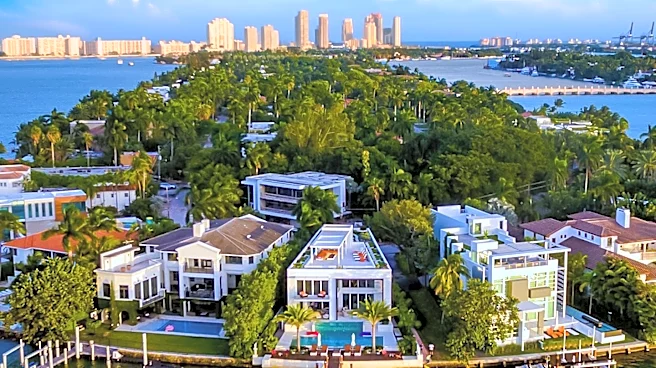
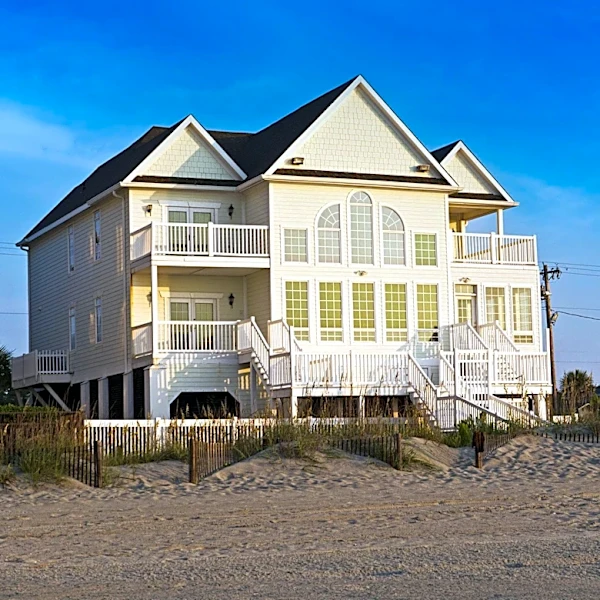
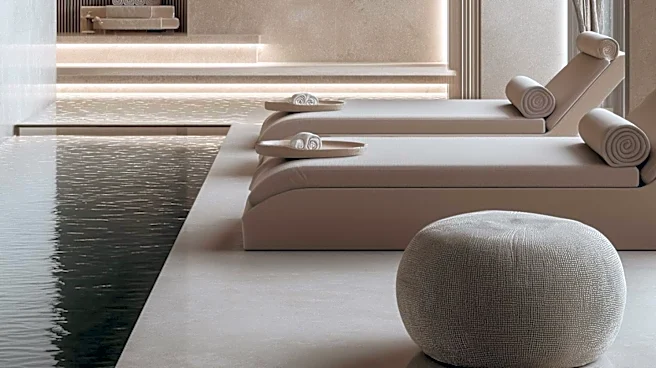
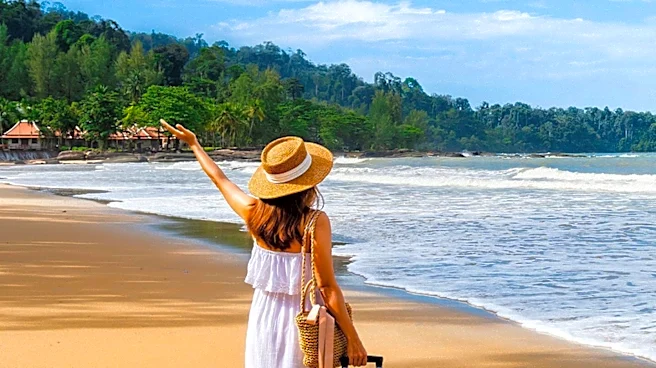
South Beach. This area offers a residential rhythm, allowing visitors to experience Miami's amenities without constant crowds or visibility. The concept of quiet luxury in this context is defined by discretion, the absence of waiting lines, and private spaces, such as villas, where seclusion and security are inherent. This approach caters to multi-generational families, luxury couples seeking calm, and high-profile guests who value a slower pace and a genuine neighborhood feel. The corridor's physical character, with shorter buildings and tree-lined residential streets, contributes to its distinct atmosphere, fostering a sense of community where daily life unfolds peacefully.
Why It's Important?
This shift in Miami's luxury market signifies an evolving preference among affluent travelers and residents, moving away from ostentatious displays towards more understated and private experiences. The emphasis on residential living and walkability in the north corridor offers a unique value proposition, potentially attracting a demographic that seeks long-term stays and a deeper connection to a locale. For the U.S. tourism and real estate industries, this trend highlights a growing demand for destinations that offer both luxury and a sense of normalcy, impacting development strategies and marketing efforts. It also suggests that areas capable of providing genuine community and discreet services will gain a competitive edge, influencing investment in infrastructure and amenities that support a quieter, more integrated lifestyle rather than purely resort-centric offerings. This could lead to a diversification of luxury offerings across the country, with a focus on authenticity and personal well-being.
What's Next?
The increasing demand for quiet luxury in Miami's north corridor is likely to drive further development of private villa rentals and discreet, high-end services tailored to this clientele. Expect to see more emphasis on personalized concierge services, private chefs, and seamless logistics, as these are key components of the 'quiet luxury' experience. Real estate developers may focus on creating more low-density, residential-style luxury properties that offer enhanced privacy and direct access to amenities like quiet beaches and walkable commercial areas. This trend could also influence urban planning in other U.S. coastal cities, prompting a re-evaluation of how luxury is defined and delivered, with a potential shift towards integrating high-end living with authentic community experiences. The success of this model in Miami may serve as a blueprint for other regions looking to attract discerning travelers and residents who prioritize tranquility and discretion.
Beyond the Headlines
The rise of 'quiet luxury' in Miami's north corridor reflects a broader cultural shift towards valuing authenticity, privacy, and well-being over overt displays of wealth. This trend has ethical implications, as it encourages a more sustainable and less consumerist approach to luxury, focusing on quality of life rather than material possessions. It also highlights a growing desire for experiences that foster genuine connection and a sense of belonging, contrasting with the often transient and superficial nature of traditional luxury tourism. Legally, this could lead to increased demand for robust privacy protections and security measures in residential luxury developments. Culturally, it suggests a redefinition of status, where discretion and a balanced lifestyle become the ultimate markers of affluence, potentially influencing design, fashion, and lifestyle choices across various sectors beyond real estate and hospitality.