





What's Happening?
Space Exploration Technologies Corp. (SPCX) outlined ambitious plans for Super Intelligence (SI) infrastructure expansion during its third-quarter 2026 earnings call. CEO Elon Musk projects nameplate compute capacity to reach 2.5 GW to 3 GW by the end
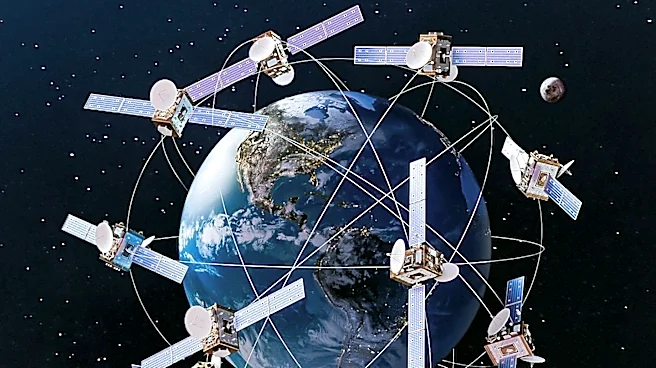
of 2026, with a further expansion to at least 13 GW by the end of 2027. Musk identified power, cooling, and electrical infrastructure as critical deployment constraints, noting that SpaceX is developing turbine components internally to accelerate power availability. CFO Bret Johnsen highlighted strong cloud demand, with new compute deployments achieving payback periods of less than one year. Capital expenditures for Q4 2026 are projected between $35 billion and $40 billion, primarily supporting SI infrastructure, Starship development, and satellite production. President and COO Gwynne Shotwell reported 13.6 million Starlink consumer subscribers and a 69% year-over-year increase in connectivity revenues to $5.2 billion.
Why It's Important?
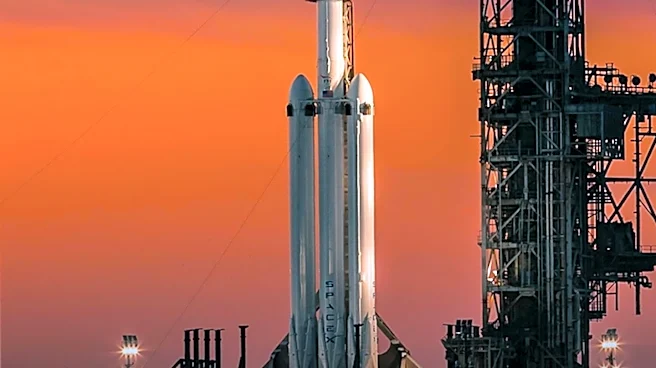
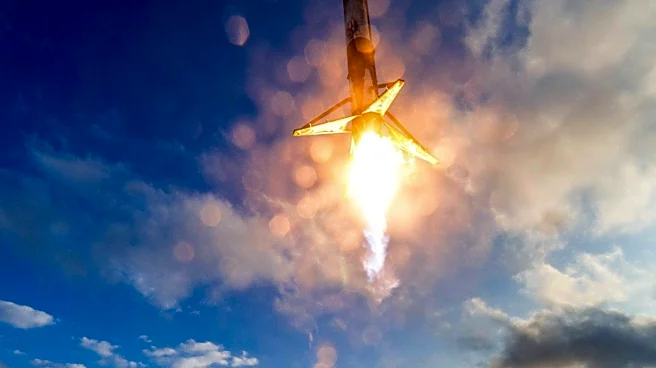
SpaceX's aggressive expansion into AI compute infrastructure signifies a strategic pivot that could profoundly impact the U.S. technology landscape. By aiming for such massive compute capacity, SpaceX is positioning itself as a major player in the burgeoning AI sector, potentially rivaling traditional cloud providers. This move is critical for supporting the increasing demand for AI workloads, which are becoming central to various industries. The substantial capital expenditures reflect a significant investment in advanced technology and infrastructure, driving innovation and job creation within the U.S. The continued development of Starship reusability is vital for reducing launch costs and increasing access to space, which in turn supports the deployment of Starlink and other space-based assets. The growth in Starlink subscribers and connectivity revenues demonstrates the commercial success of SpaceX's satellite internet service, further solidifying its financial foundation for these ambitious projects.
What's Next?
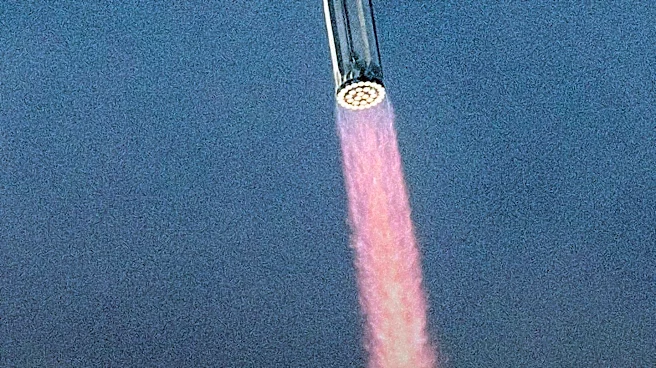
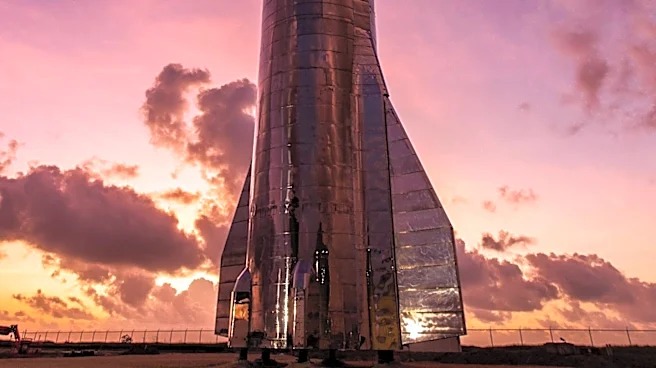
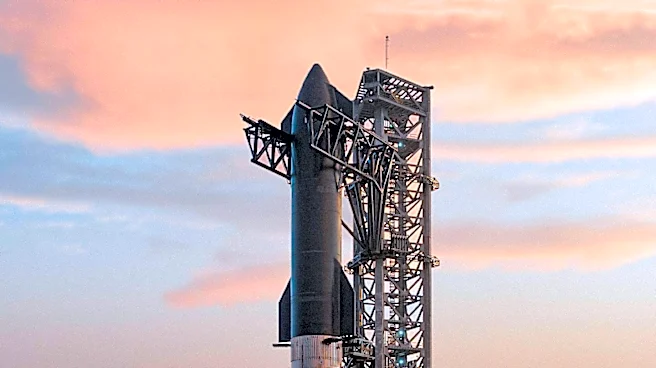
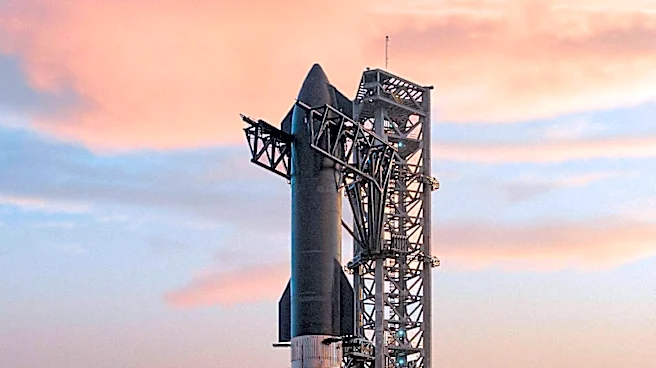
SpaceX plans to accelerate the deployment of its SI infrastructure, with significant capital expenditures allocated for the fourth quarter of 2026. The company will continue to focus on overcoming constraints in power, cooling, and electrical infrastructure, including internal development of turbine components. For Starship, management expects Flight 15 to attempt recovery of both stages, with second-stage reflight targeted for early 2027, and launch frequency is projected to accelerate throughout 2027. Orbital refueling tests and the development of the Louisiana spaceport are also planned. SpaceX will continue to expand its Starlink services, targeting both consumer and enterprise markets, and will seek to balance these substantial investment requirements with near-term monetization opportunities through operating cash flows, debt access, and potential partnerships.
Beyond the Headlines
SpaceX's dual focus on aggressive AI compute expansion and advanced space transportation capabilities suggests a long-term vision of an integrated space-earth technological ecosystem. The development of massive AI compute capacity, potentially powered by internal turbine components, could create a self-sufficient technological powerhouse. This vertical integration, from launch vehicles to orbital internet and AI processing, could give SpaceX a unique competitive advantage. However, it also raises questions about market concentration, regulatory oversight, and the ethical implications of such powerful AI infrastructure. The rapid advancements in Starship reusability could revolutionize space travel, making human colonization of Mars a more tangible goal, but also bringing challenges related to space traffic management and international space law. The interplay between these ambitious projects could redefine the future of technology, space exploration, and global connectivity.