




What's Happening?
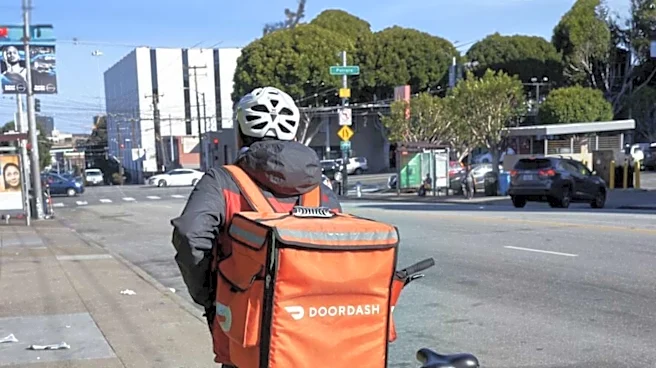
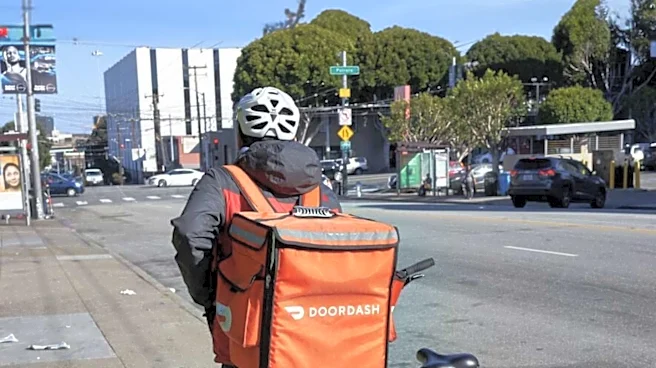
DoorDash has announced its agreement to acquire grocery delivery company Instacart in a deal valued at approximately $17 billion in equity. The acquisition, jointly announced by both companies on October 29, is expected to generate $500 million in incremental
net synergies by the third year post-closing, according to DoorDash CFO Ravi Inukonda. These synergies are projected to come from four key areas: increased orders, higher advertising spend, cross-selling Instacart's software infrastructure to DoorDash's grocery partners, and enhanced fulfillment capabilities. DoorDash plans to integrate its restaurant listings onto the Instacart platform and expand categories offered across both services. Instacart's robust advertising business, which reported $331 million in revenue in the third quarter, is also a significant factor in the anticipated synergy from increased consumer packaged goods (CPG) ad spending. The deal is subject to Instacart stockholder approval, the expiration of the Hart-Scott-Rodino antitrust waiting period, and regulatory approvals in Canada and Israel.
Why It's Important?
This acquisition marks a significant consolidation in the U.S. on-demand delivery market, potentially reshaping the competitive landscape for food and grocery delivery services. For DoorDash, integrating Instacart's extensive grocery network and software infrastructure could substantially broaden its market reach beyond restaurants, allowing it to compete more directly with other major players in the broader e-commerce and logistics sectors. The anticipated $500 million in synergies highlight the strategic value DoorDash sees in Instacart's advertising platform and its first-party software, which can be leveraged to enhance offerings for existing partners and attract new ones. This move could lead to increased efficiency and market dominance for DoorDash, while also presenting challenges for competitors who may face a more formidable combined entity. Consumers could see a wider array of delivery options and potentially more integrated services, though the long-term impact on pricing and service quality remains to be seen.
What's Next?
The acquisition is projected to close between late 2027 and the first half of 2028. Before the deal can be finalized, it requires approval from Instacart stockholders, the conclusion of the Hart-Scott-Rodino antitrust waiting period in the U.S., and regulatory clearances from Canadian and Israeli authorities. Until these approvals are secured and the deal officially closes, DoorDash and Instacart will continue to operate as separate entities. Following the closure, the integration process will likely involve merging technological platforms, consolidating operational logistics, and harmonizing business strategies to realize the projected synergies. Stakeholders, including competitors, regulatory bodies, and investors, will closely monitor the progress of these approvals and the subsequent integration efforts, as the outcome will significantly influence the future of the on-demand delivery industry.
Beyond the Headlines
This merger could have profound implications for the future of last-mile delivery and the broader retail ecosystem. The combined entity's expanded reach and technological capabilities could accelerate the shift towards online grocery shopping and on-demand delivery services, potentially impacting traditional brick-and-mortar retail models. Furthermore, the integration of Instacart's advertising platform with DoorDash's extensive user base could create a powerful new channel for consumer packaged goods brands to reach customers, potentially altering digital advertising strategies in the retail sector. The deal also raises questions about market concentration and potential antitrust concerns, as the combined company would hold a dominant position in multiple delivery segments. The long-term success of this acquisition will depend not only on achieving financial synergies but also on effectively integrating two large, complex organizations while navigating evolving consumer preferences and regulatory scrutiny.