





What's Happening?
Lymphatic drainage massage is a gentle, rhythmic technique designed to support lymph flow and reduce fluid buildup in the body. This massage is often used in rehabilitation plans for conditions like lymphedema, post-surgical swelling, and chronic swelling patterns.
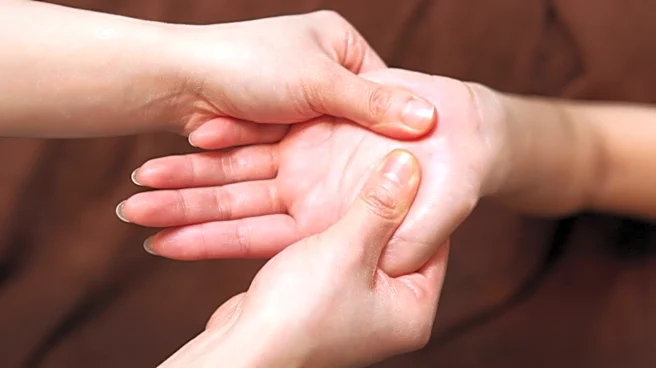
The technique involves light, manual pressure to encourage lymph fluid movement, typically performed by a trained therapist as part of a broader care plan. It is particularly relevant for individuals experiencing swelling due to surgery, cancer treatment, or congenital lymphatic issues. The massage aims to alleviate symptoms such as heaviness, tightness, and reduced range of motion by promoting fluid movement through the lymphatic system.
Why It's Important?
Lymphatic drainage massage plays a crucial role in managing conditions that cause swelling, which can significantly impact a person's quality of life. By facilitating lymph flow, the massage helps reduce discomfort and improve mobility, which is essential for individuals recovering from surgery or living with chronic conditions like lymphedema. The technique is part of a comprehensive approach that includes compression therapy, exercise, and skin care, aiming for long-term symptom control rather than temporary relief. This holistic management is vital for preventing complications and maintaining overall health, especially in patients with compromised lymphatic systems.
What's Next?
For those considering lymphatic drainage massage, it is important to consult with healthcare professionals to ensure the technique is appropriate for their specific condition. Future developments may include more widespread training for therapists and increased awareness of the benefits of lymphatic massage in medical and rehabilitation settings. As research continues, there may be advancements in techniques and tools used to enhance the effectiveness of lymphatic drainage massage, potentially leading to improved outcomes for patients with swelling-related conditions.
Beyond the Headlines
The ethical considerations of lymphatic drainage massage include ensuring that patients receive accurate diagnoses and appropriate treatment plans. It is crucial to differentiate between swelling caused by lymphatic issues and other medical conditions that may require different interventions. Additionally, there is a need for ongoing education and regulation to prevent misuse of the technique and ensure patient safety. As the popularity of lymphatic drainage massage grows, maintaining high standards of practice will be essential to protect patients and uphold the integrity of the therapy.