








What's Happening?
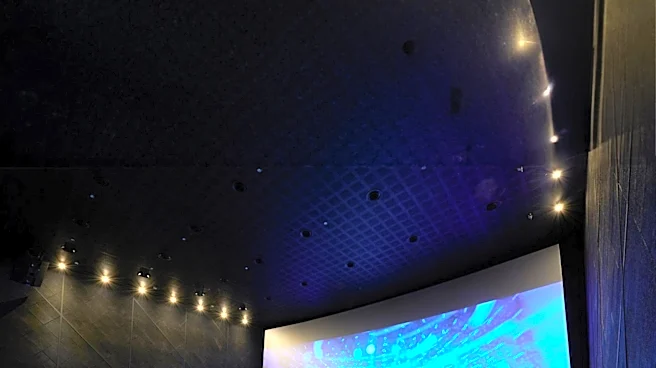
IMAX theaters distinguish themselves from conventional cinemas through significant differences in screen size, aspect ratios, and projection technology. Unlike traditional screens, IMAX screens are designed to be both larger and proportionally taller,
often featuring aspect ratios of 1:90:1 for digital projection or 1:43:1 for film projection. This design aims to extend beyond the viewer's peripheral vision, creating a more immersive visual experience. For instance, a 70mm film screening in an IMAX theater can feature a screen reaching 59 feet tall and 79 feet wide. The visual content presented in IMAX is not merely an enlarged version of a standard film; rather, it is often a distinct image. Films shot with IMAX's specialized cameras capture a larger amount of visual information, posing unique creative challenges for filmmakers. Directors must carefully plan their imagery to ensure it translates effectively across various screen formats. Even for digitally shot films, filmmakers adjust lenses, lighting, and sound architecture to optimize footage for IMAX's expanded format. The 'Filmed for IMAX' designation signifies a direct collaboration between filmmakers and IMAX throughout the production process, with IMAX also providing digital remastering tools to enhance image quality for their large-scale presentations.
Why It's Important?
The distinct technical specifications of IMAX theaters significantly impact the cinematic experience, offering a premium viewing option that influences audience choices and industry trends. The larger, more immersive screens and specialized projection technologies provide a level of visual and auditory engagement that standard theaters cannot replicate. This enhanced experience drives demand for IMAX screenings, as evidenced by the rapid sell-out of tickets for highly anticipated films. For filmmakers, the unique capabilities of IMAX cameras and projection systems present both creative opportunities and technical demands, pushing the boundaries of cinematic storytelling and visual artistry. The collaboration between IMAX and filmmakers, particularly for 'Filmed for IMAX' productions, highlights a symbiotic relationship that elevates the quality of film production and presentation. This commitment to a superior viewing experience also contributes to the economic landscape of the film industry, as IMAX tickets often command a higher price point, reflecting the added value and technological investment.
What's Next?
The trend of filmmakers utilizing IMAX's unique capabilities is likely to continue, with more productions potentially opting for 'Filmed for IMAX' collaborations to maximize visual impact. As technology evolves, IMAX may further refine its projection and sound systems to maintain its competitive edge in the premium cinema market. The ongoing demand for immersive experiences could also lead to innovations in theater design and audience engagement. The success of IMAX in attracting audiences for major blockbusters suggests a continued focus on high-profile releases that can fully leverage its technical advantages. This could also influence the development of other premium large format (PLF) offerings in the exhibition industry, as competitors seek to provide comparable, albeit distinct, enhanced viewing experiences. The emphasis on aspect ratios and film gauges in public discourse, as noted in the source, indicates a growing consumer awareness and appreciation for the technical nuances of film presentation.
Beyond the Headlines
The 'IMAX fever' described in the source reflects a deeper cultural shift in how audiences consume and value cinematic experiences. In an era of ubiquitous home entertainment and streaming services, the unique offerings of IMAX provide a compelling reason for viewers to seek out communal, large-screen viewing. This phenomenon underscores the enduring appeal of the theatrical experience, particularly when it offers something distinct and technologically superior. The debates around aspect ratios and film gauges, while seemingly technical, highlight a growing sophistication in audience appreciation for the artistry and craft of filmmaking. It also points to the role of technology in shaping artistic expression, as filmmakers adapt their creative processes to harness the capabilities of platforms like IMAX. Ultimately, the success of IMAX speaks to the human desire for immersive storytelling and the power of technology to enhance that experience, potentially influencing future trends in both film production and exhibition.