
What's Happening?
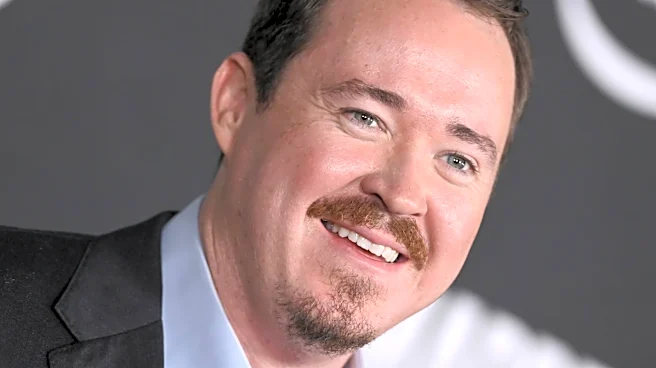
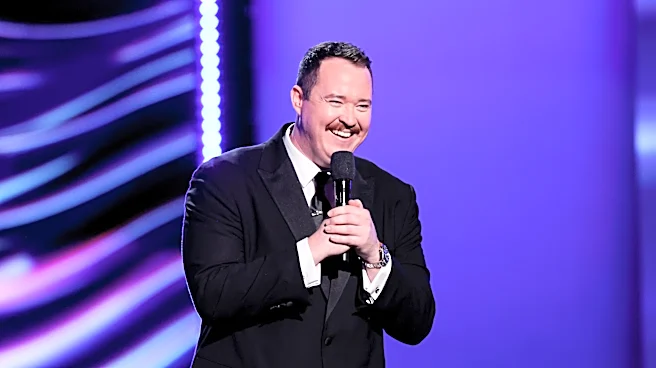
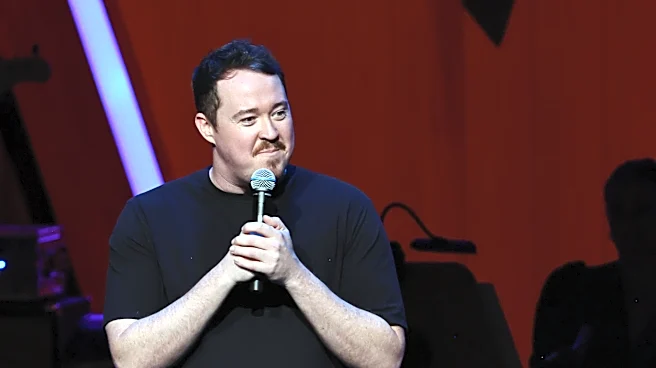
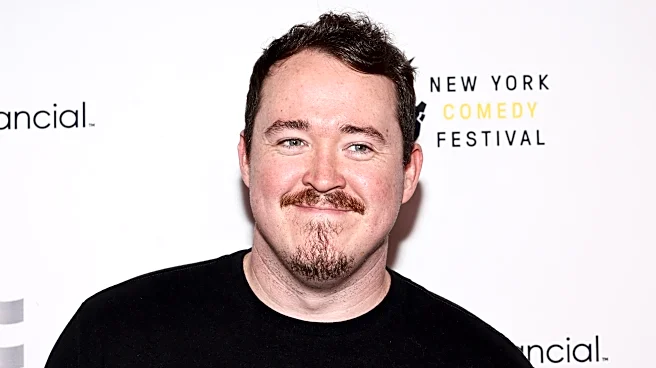
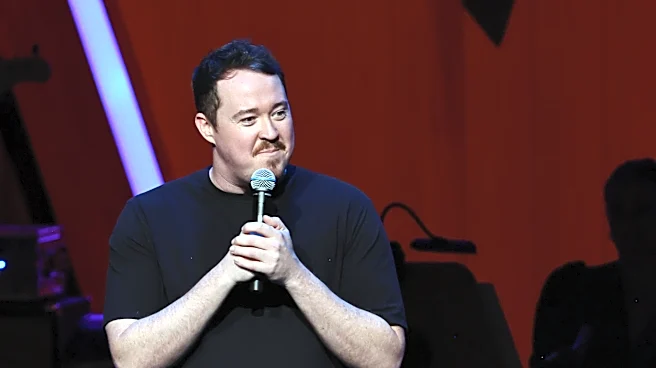
Comedian Shane Gillis has responded to the widespread criticism following his monologue as host of 'Saturday Night Live' on October 10. During his seven-minute opening, Gillis made jokes about women's gym attire, stating they dress 'like whores now.'
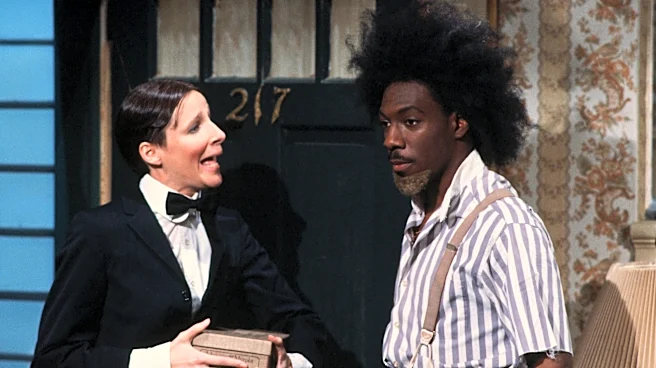
This comment sparked significant backlash on social media, with feminist author Jessica Valenti and actor Dan Levy among those denouncing his remarks. Gillis, who was previously fired from SNL in 2019 for homophobic and racist jokes, addressed the controversy on 'The Joe Rogan Experience' podcast. He clarified that SNL producers did not approve his monologue material beforehand, stating that comedians typically write their own sets without prior network feedback. Gillis also suggested that the negative reaction 'had a lot to do with the climate' and maintained that he does not 'have a problem' with women's gym attire, despite his on-air comments. He had assured SNL that his monologue would be uncontroversial, describing it as a 'solid C minus' performance.
Why It's Important?
This incident highlights the ongoing tension between comedic freedom and social responsibility, particularly in the context of live national television. The backlash against Gillis's remarks underscores evolving public sensitivities regarding misogynistic language and its potential contribution to broader issues like rape culture, as articulated by critics like Jessica Valenti. For 'Saturday Night Live,' the controversy raises questions about its vetting process for hosts and the extent of its control over live content, especially given Gillis's past dismissal from the show for offensive comments. The event also reflects the power of social media in amplifying public reactions and shaping narratives around celebrity behavior. For comedians, it illustrates the fine line between edgy humor and remarks deemed offensive, impacting their public image and career trajectory. The differing views on whether the comments were simply jokes or harmful speech reveal a societal divide on acceptable discourse in entertainment.
What's Next?
The immediate aftermath will likely involve continued public discussion and debate across social media platforms and entertainment news outlets regarding the nature of comedy and its boundaries. 'Saturday Night Live' may face renewed scrutiny over its selection of hosts and its policies concerning monologue content, potentially leading to internal reviews or public statements, though Gillis indicated SNL does not typically pre-approve comedian monologues. Other comedians and public figures may weigh in, further polarizing opinions or contributing to a broader dialogue on free speech versus accountability in entertainment. For Shane Gillis, this controversy, while drawing criticism, could also solidify his appeal among audiences who appreciate his 'brash style and edgy jokes,' as evidenced by his record-breaking comedy special earlier this year. Future appearances or projects by Gillis will likely be viewed through the lens of this incident, influencing audience reception and critical appraisal.
Beyond the Headlines
The controversy surrounding Shane Gillis's 'SNL' monologue delves into deeper cultural and ethical implications concerning the role of humor in society and the responsibilities of public figures. It reignites discussions about 'cancel culture' and whether past offenses should permanently bar individuals from mainstream platforms, especially when their popularity continues to grow. The incident also touches upon the objectification of women and the normalization of derogatory language, particularly in spaces like gyms where women often face scrutiny. The debate over whether Gillis's comments were 'taken out of context' or inherently offensive reflects a broader societal struggle to define acceptable discourse in an increasingly interconnected world. This event could contribute to a long-term shift in how comedic content is produced and consumed, pushing for greater awareness of its impact while also challenging notions of artistic freedom.