

What's Happening?
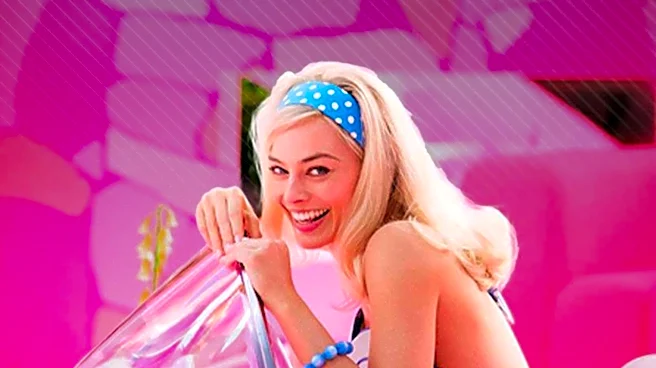
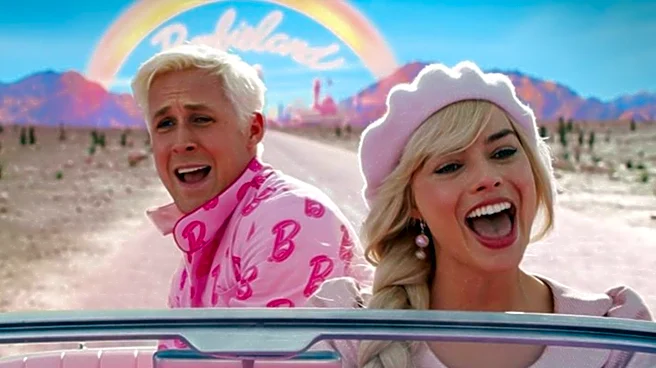
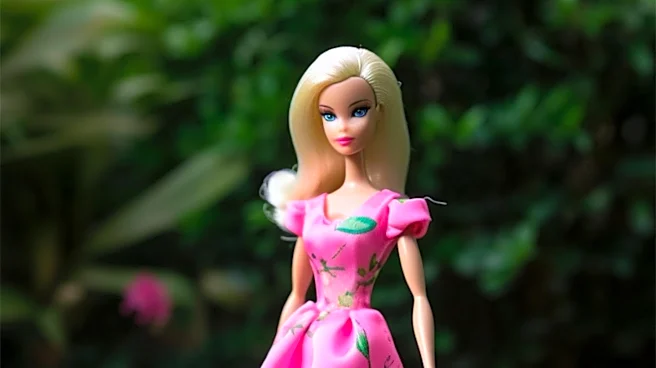
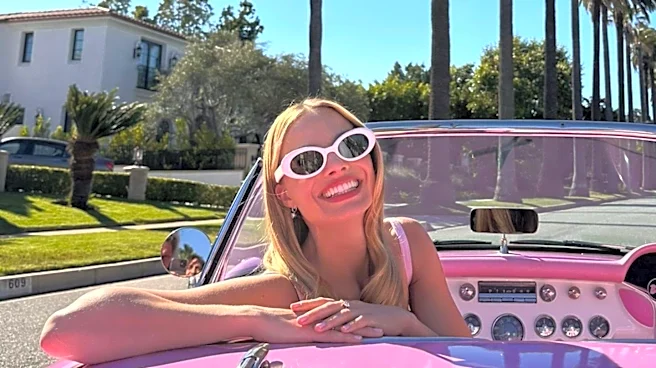
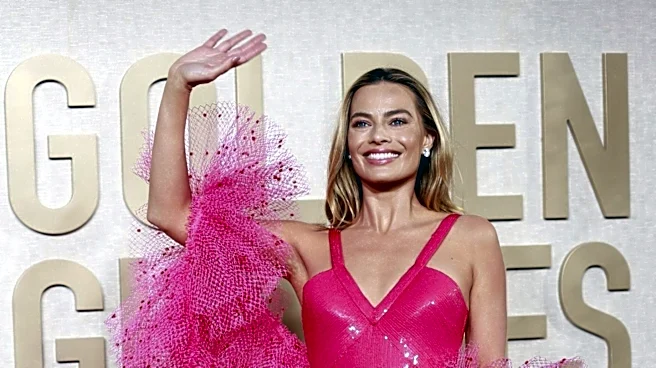
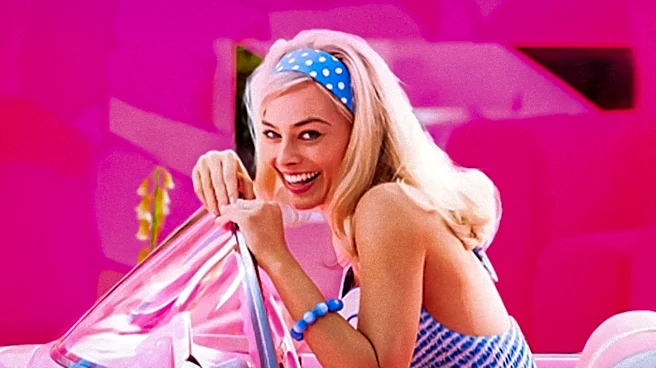
Warner Bros. is currently facing challenges in moving forward with a sequel to the highly successful 'Barbie' movie due to salary disputes with lead actors Margot Robbie and Ryan Gosling. The original film, which grossed over $1.4 billion and received
eight Academy Award nominations, did not include a sequel clause in the actors' contracts. As a result, Robbie and Gosling are seeking higher compensation for a potential follow-up. Warner Bros. Discovery CEO David Zaslav has not approved the proposed salary increases, which include Gosling's request for $20 million. The studio is under pressure to finalize agreements before the rights revert to Mattel in December, which would require a complete redevelopment of the intellectual property if a deal is not reached.
Why It's Important?
The outcome of these negotiations could significantly impact Warner Bros.'s future in the film industry, particularly in its relationship with Mattel. The 'Barbie' movie's success has positioned it as a valuable franchise, and failing to secure a sequel could mean losing a lucrative opportunity. Additionally, the situation highlights the broader industry trend of renegotiating contracts for successful films, which can lead to increased production costs. The resolution of this dispute will set a precedent for how studios handle similar situations in the future, potentially affecting how talent contracts are structured in Hollywood.
What's Next?
If Warner Bros. and the actors' representatives do not reach an agreement by December, Mattel will regain the rights to the 'Barbie' franchise, necessitating a new creative team and concept. This could delay the production of a sequel and alter the direction of the franchise. Meanwhile, both Robbie and Gosling have other commitments, which could further complicate scheduling for a potential sequel. Warner Bros. continues to engage with Mattel on other projects, indicating a desire to maintain a strong partnership despite the current impasse.