



What's Happening?
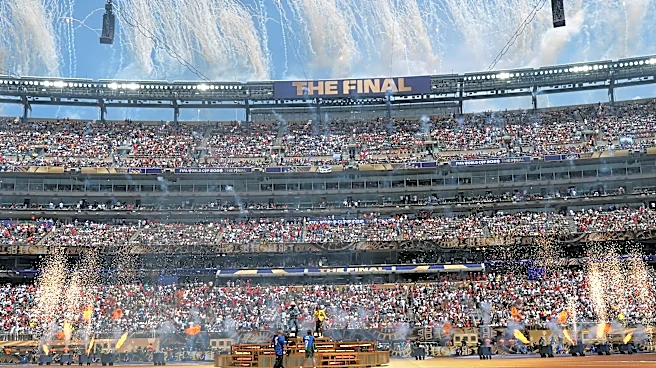
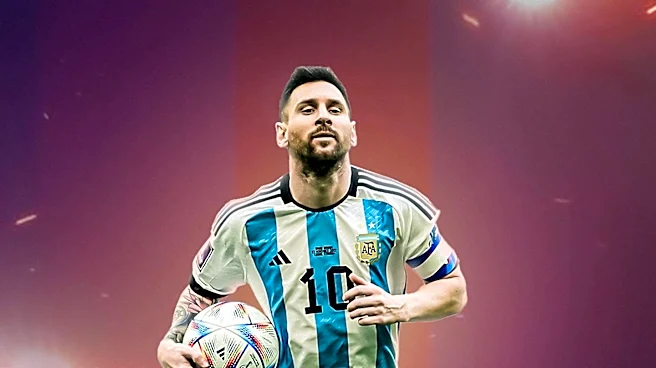
The World Cup final, set to take place at the New York New Jersey Stadium, has become the most expensive sporting event ever held in the United States, with ticket prices on resale platforms reaching as high as $2.3 million. As Argentina, led by Lionel
Messi, faces Spain, the demand for tickets has surged, driving prices to unprecedented levels. Despite FIFA's initial ticket pricing strategy, which included dynamic pricing to adjust costs based on demand, the resale market has seen prices skyrocket. By Friday, nearly all tickets were sold, with some listed on FIFA's platform for about $32,000. The high demand and limited availability have made the event accessible only to those with significant financial means.
Why It's Important?
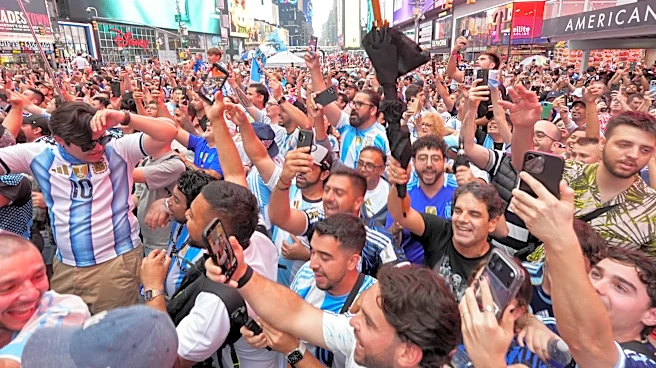
The soaring ticket prices for the World Cup final highlight the growing commercialization of major sporting events, where access is increasingly limited to wealthier individuals. This trend raises concerns about the inclusivity of global sports events, as many fans are priced out of attending. The situation underscores the tension between maximizing revenue and maintaining accessibility for a diverse fan base. The high prices also reflect the strong demand for the World Cup, despite earlier concerns about visa restrictions and domestic unrest in the U.S. The event's success in attracting fans willing to pay high prices may influence future pricing strategies for major sports events.
What's Next?
As the World Cup concludes, stakeholders may need to address the balance between profitability and accessibility for future tournaments. FIFA and other sports organizations might consider revising their ticketing strategies to ensure broader access, possibly by implementing more transparent pricing models or offering a greater number of affordable tickets. Additionally, the impact of resale markets on ticket accessibility could prompt regulatory discussions, particularly in countries like the U.S., where resale practices are less restricted compared to other regions. The outcome of these discussions could shape the future of ticket sales for international sporting events.
Beyond the Headlines
The World Cup's pricing dynamics reflect broader societal issues, such as economic inequality and the commodification of cultural events. The exclusion of many fans due to high costs raises ethical questions about the role of sports in society and who gets to participate in these global celebrations. The event also highlights the challenges of balancing commercial interests with the cultural and social value of sports. As sports organizations navigate these complexities, they may need to consider the long-term implications of their pricing and accessibility strategies on their global fan base and the cultural significance of their events.