








What's Happening?
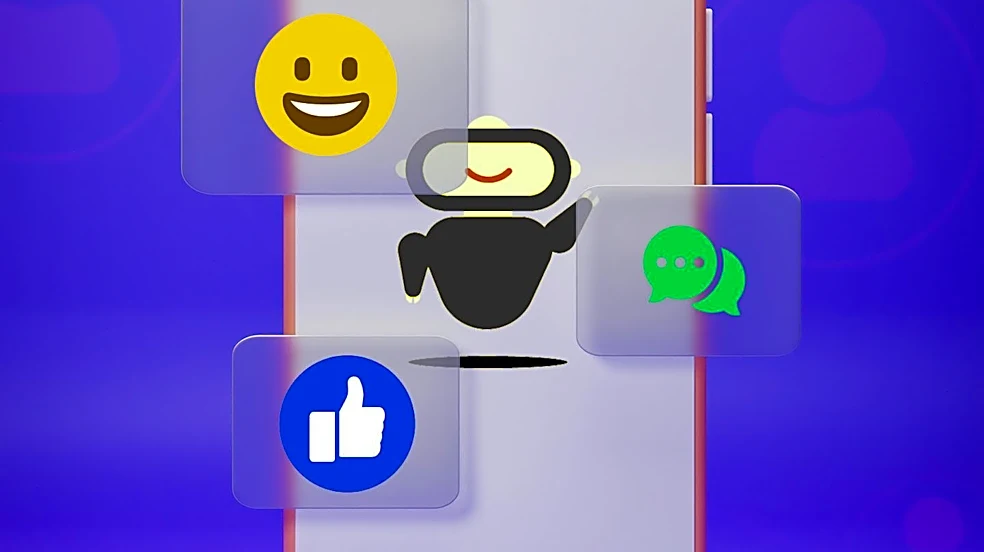
Next-generation AI chatbots are increasingly leveraging personalization to adapt to individual user preferences, communication styles, and past interactions. Unlike traditional chatbots that follow predefined scripts, personalized systems incorporate
user data, previous messages, and contextual information to provide more relevant and consistent responses. This includes adjusting vocabulary, conversation length, tone, and subject recommendations. Businesses are adopting these conversational AI systems for customer support, online shopping, education, and personal assistance. Research on financial institutions in Bangkok indicated that user satisfaction with chatbots is linked to response speed, reliability, ease of use, and recommendation quality, suggesting that personalization is most effective when paired with dependable service. However, this enhanced personalization necessitates the collection of more personal information, leading to significant privacy and ethical challenges.
Why It's Important?
The shift towards personalized AI chatbots marks a significant evolution in how businesses interact with consumers, promising more efficient and tailored customer experiences. This can lead to increased customer satisfaction and loyalty as interactions become more intuitive and relevant. For industries like finance, retail, and education, personalized AI can streamline operations and improve service delivery. However, the reliance on extensive user data for personalization introduces critical privacy concerns. The collection of chat histories, financial details, and sensitive opinions raises questions about data security and user consent. If not managed responsibly, these systems could erode user trust, lead to data breaches, and expose companies to regulatory penalties. Balancing the benefits of personalization with robust privacy protections is crucial for the widespread adoption and ethical deployment of these advanced AI tools.
What's Next?
Future developments in personalized AI are expected to focus on improving memory selection, enhancing contextual interpretation, and strengthening user control over their data. Instead of retaining every detail of a conversation, systems may prioritize information most relevant to specific tasks. The integration of multimodal technology, combining text, audio, and visual information, could lead to more consistent and comprehensive interactions. Developers will also need to establish reliable methods for distinguishing authentic user-provided information from automated assumptions. The industry will likely see increased emphasis on implementing safeguards such as clear consent mechanisms, options for users to review and delete stored memories, visible identification of AI-generated characters, and explanations of how personal data influences responses. Regulatory bodies may also introduce new guidelines to address the privacy implications of highly personalized AI systems.
Beyond the Headlines
The deeper implications of personalized AI chatbots extend beyond mere customer service efficiency to reshape human-technology interaction and societal norms around privacy. The ability of chatbots to imitate familiar communication patterns raises ethical questions about emotional attachment and the potential for users to attribute human consciousness to AI. This could blur the lines between human and artificial interaction, impacting psychological well-being and trust. Furthermore, the extensive data collection required for personalization could contribute to a broader surveillance economy, where personal information is continuously gathered and analyzed. The challenge lies in developing AI that is not only intelligent and helpful but also transparent, accountable, and respectful of individual autonomy and privacy. This necessitates a societal dialogue about the boundaries of AI personalization and the ethical frameworks required to govern its development and deployment.