
What's Happening?
Exxon Mobil's CEO Darren Woods has highlighted the ongoing challenges in the global oil and natural gas supply chain, emphasizing that the market has yet to experience the full impact of recent disruptions.
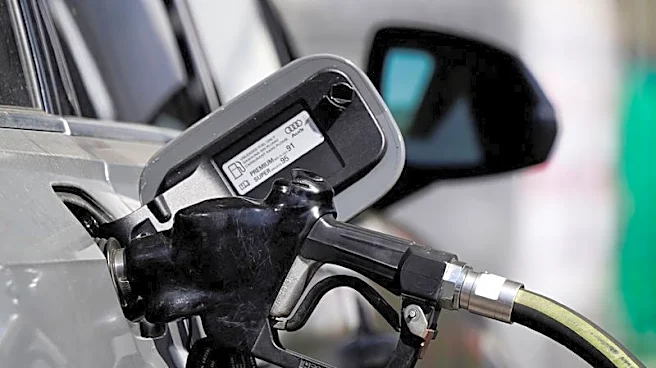
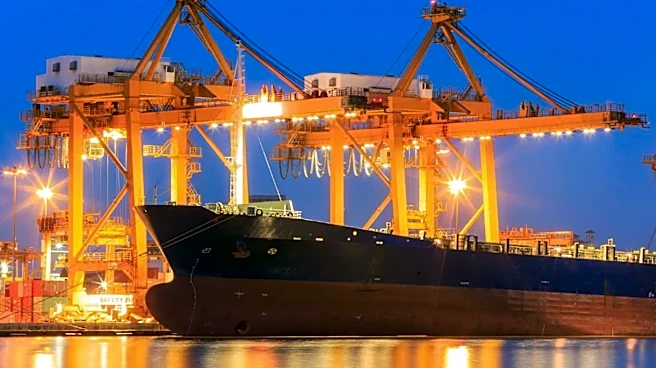
The closure of the Strait of Hormuz and damage to Qatar's LNG production have significantly affected global supplies. U.S. gasoline inventories are predicted to fall to their lowest levels in modern records by late summer, with current stocks already at their lowest since 2014. The International Energy Agency has warned of potential jet fuel shortages in Europe if Middle Eastern supplies are not restored. The disruption has led to a rapid depletion of commercial stockpiles and emergency reserves, with global inventories expected to drop significantly. Despite potential peace talks between the U.S. and Iran, it will take months for oil shipments to normalize, further stressing the global energy system.
Why It's Important?
The ongoing disruption in oil and gas supplies has significant implications for global energy markets and economies. The depletion of stockpiles and reserves could lead to increased fuel prices, affecting consumers and industries reliant on oil and gas. The potential shortages in jet fuel and gasoline could impact transportation and logistics sectors, leading to higher operational costs. Countries dependent on imports, like Australia, are already planning to bolster their reserves, indicating a shift towards energy security. The situation underscores the vulnerability of global supply chains to geopolitical tensions and highlights the need for diversified energy sources and strategic reserves.
What's Next?
As the situation unfolds, stakeholders in the energy sector will be closely monitoring developments in the Middle East and the progress of peace talks between the U.S. and Iran. Oil companies may need to explore alternative supply routes and increase investments in storage and refining capacities to mitigate future disruptions. Governments might consider revising strategic reserve policies to ensure energy security. The market will also be watching for any policy changes from major oil-producing countries and organizations like OPEC, which could influence supply dynamics and pricing.