








What's Happening?
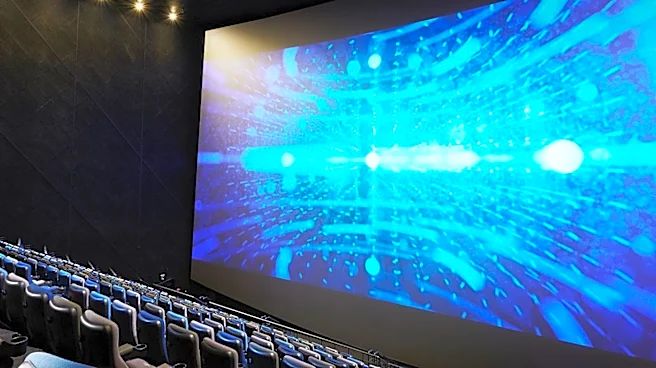
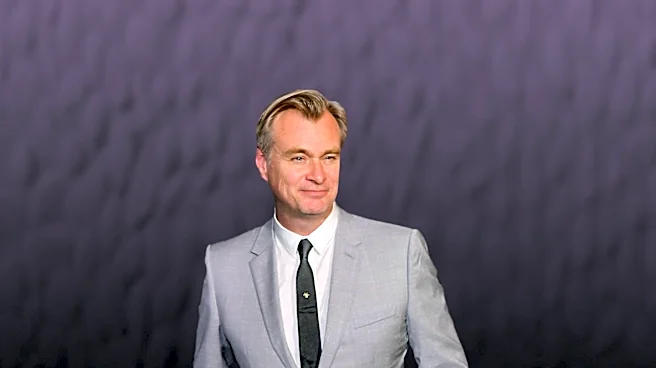
Christopher Nolan's latest film, 'The Odyssey,' is being shown in a limited number of theaters across the United States, specifically in 25 IMAX venues capable of projecting the film in its intended format. The movie, shot entirely with IMAX cameras,
requires IMAX 70mm projectors to display its full visual potential. This format offers a significantly larger and more detailed image compared to standard digital projections. The scarcity of these specialized theaters has made tickets highly sought after, with many screenings selling out quickly. The film's unique presentation is a major draw, as it provides an immersive experience that fills the viewer's peripheral vision, akin to a 3D effect without the need for glasses.
Why It's Important?
The limited availability of IMAX 70mm screenings for 'The Odyssey' highlights the ongoing debate about the future of film projection technology. As most theaters have transitioned to digital projectors, the ability to showcase films in traditional formats is diminishing. This situation underscores the challenges faced by filmmakers who wish to utilize older, yet visually superior, technologies. For audiences, it raises questions about the value of the cinematic experience and whether the enhanced visual quality justifies the effort and cost of attending these specialized screenings. The demand for such experiences could influence future decisions by theater chains and filmmakers regarding the preservation and use of traditional film projection methods.
What's Next?
Given the high demand for IMAX 70mm screenings, there may be increased pressure on theater chains to invest in or restore such projection capabilities. However, the lack of new IMAX film projectors, which have not been manufactured for decades, presents a significant barrier. The success of 'The Odyssey' in these limited venues could encourage other filmmakers to explore similar formats, potentially leading to a resurgence in interest for traditional film projection. Additionally, the film's performance might prompt discussions within the industry about balancing technological advancements with the preservation of classic cinematic techniques.