






What's Happening?
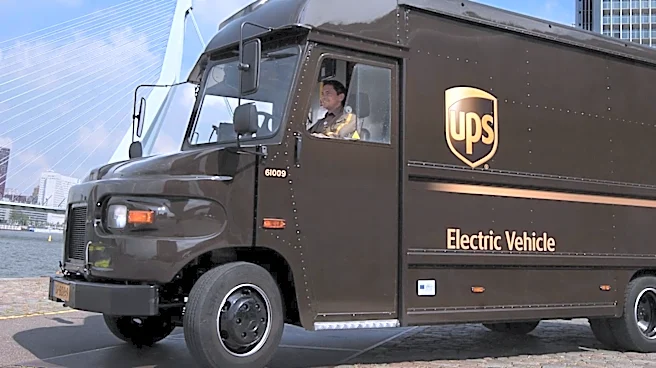
UPS CEO Carol Tome announced on Tuesday that the artificial intelligence (AI) data center boom presents a decades-long opportunity for the company, potentially generating $15 billion in annual revenue. This projection comes as global data center spending
is estimated to reach approximately $1 trillion in 2026 and is expected to more than double by the end of the decade. Tech giants such as Alphabet, Microsoft, Meta, and Amazon are investing billions in AI facilities, which require substantial new electricity infrastructure for power and cooling. UPS plans to capitalize on this by handling fewer, but more premium, shipments, focusing on logistics from the manufacturing floor to the front door. This includes flying in critical components like advanced microprocessors, arranging ocean shipments for various equipment, warehousing goods, and delivering parts to project sites. The announcement follows UPS raising its annual revenue and profit forecasts due to better-than-expected third-quarter earnings.
Why It's Important?
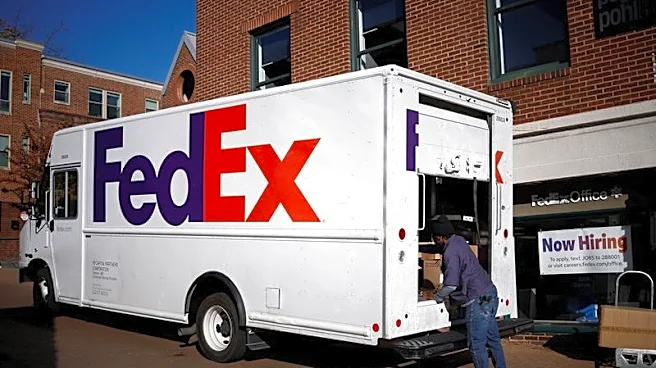
This strategic shift by UPS highlights a significant economic trend where traditional logistics companies are adapting to the demands of the burgeoning AI and data center industries. The $15 billion annual revenue opportunity underscores the massive scale of investment and operational needs within the data center sector. For UPS, this focus on high-margin, specialized logistics for data centers is crucial for its 'better, not bigger' growth strategy, aiming to boost profitability by moving away from less profitable deliveries. This move also positions UPS as a key enabler for the continued expansion of AI infrastructure, impacting the broader technology sector. The competition with rivals like FedEx for these high-margin volumes indicates a broader industry-wide pivot towards specialized logistics services, potentially reshaping the parcel delivery landscape and influencing investment decisions across the supply chain.
What's Next?
UPS will continue to reconfigure its network to be smaller, nimbler, and more profitable, focusing on high-growth segments like healthcare and data centers. The company expects its margins to improve annually, building on its success in cutting unprofitable doorstep deliveries for companies like Amazon. As data center projects continue to be built, there will be sustained demand for parts and equipment, ensuring a long-term revenue stream for UPS. Rival FedEx is also actively pursuing data center-related business, indicating an intensifying competition in this specialized logistics market. Investors will be closely watching how these strategies unfold and impact the financial performance of both UPS and its competitors, particularly as the AI data center boom progresses over the coming decades.
Beyond the Headlines
The data center boom, while offering substantial economic opportunities for logistics providers like UPS, also presents deeper implications. Communities are grappling with the trade-offs between job creation and economic growth versus concerns about electricity prices, water usage, and noise pollution associated with these facilities. This raises questions about sustainable development and the environmental footprint of the digital economy. Furthermore, the massive investments by tech companies in data centers are drawing scrutiny from investors, prompting discussions about the long-term returns and potential over-saturation in the market. The reliance on specialized logistics for critical components also highlights the increasing complexity and interconnectedness of global supply chains, making them vulnerable to disruptions but also creating new avenues for value creation and strategic partnerships.