




What's Happening?
WallsNeedLove has outlined various design approaches and material considerations for businesses looking to implement custom wall murals, particularly those featuring company logos. The company emphasizes that these murals offer significant visual impact
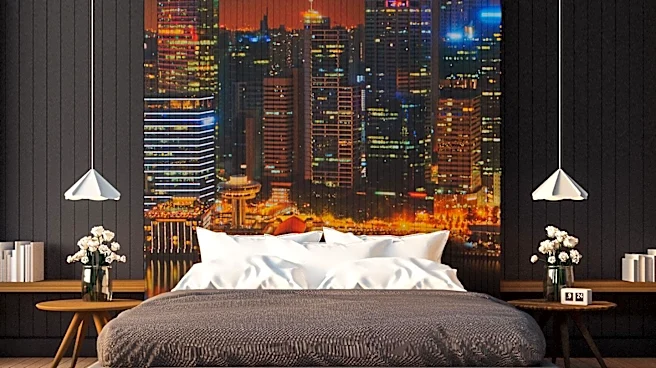
and can serve as branded art. Three primary approaches are detailed: full-bleed murals with a centered logo, logo accent walls, and dimensional logos mounted over printed backgrounds. Each approach caters to different aesthetic goals and budget constraints. Full-bleed murals are recommended for high visual impact in lobbies, while accent walls offer a cleaner, more cost-effective solution for conference rooms. Dimensional overlays provide depth and a premium feel, often used in reception areas. The company also highlights the importance of material selection, offering options like peel-and-stick for temporary installations in leased spaces, commercial-grade vinyl for high-traffic areas, and dye-sublimation fabric for sound dampening. They stress the need for accurate wall measurements, vector logo files, and a preferred finish before ordering to ensure a smooth production process and avoid costly reprints.
Why It's Important?
The detailed guidance from WallsNeedLove is important for U.S. businesses seeking to enhance their brand presence and interior aesthetics. In a competitive market, strong visual branding can significantly influence first impressions for clients and foster a more engaging environment for employees. The ability to customize murals with specific logos and designs allows companies to reinforce their identity and values within their physical spaces. The emphasis on different material options, such as fire-rated and low-VOC materials, addresses growing concerns about safety and indoor air quality in commercial settings, aligning with regulatory standards and employee well-being initiatives. Furthermore, the advice on choosing appropriate logo sizing based on viewing distance and ensuring proper file formats helps businesses avoid common pitfalls, saving time and resources. This information empowers businesses to make informed decisions, ensuring their branding investments yield the desired impact and longevity, ultimately contributing to a more professional and cohesive corporate image.
What's Next?
Businesses planning to implement wall murals will need to gather exact wall measurements, prepare their logo in vector format, and decide on a preferred finish (e.g., peel-and-stick for temporary use or paste for permanent installations). They should then consult with mural printers like WallsNeedLove to receive a proof before production. The company advises confirming whether the quote includes installation or materials only, inquiring about lead times for proofing, printing, and shipping, and obtaining a written breakdown of dimensional hardware costs if applicable. For leased spaces, businesses should review their landlord's wall modification clauses, as peel-and-stick materials can often circumvent these issues. Additionally, businesses should consider the long-term upkeep, such as regular cleaning of fabric and vinyl murals and annual checks of dimensional mounting hardware. The selection of materials with Class A fire ratings and Greenguard Gold certified inks will continue to be a priority for meeting safety and air quality standards.
Beyond the Headlines
The trend of utilizing custom wall murals for branding extends beyond mere aesthetics, touching upon deeper psychological and cultural implications within the U.S. business landscape. A well-designed logo wall can significantly impact visitor trust and employee engagement, transforming a simple lobby into a powerful statement of corporate identity and professionalism. This visual reinforcement can subtly influence perceptions of reliability and stability, which are crucial in building client relationships. For employees, a thoughtfully branded environment can foster a stronger sense of belonging and pride, potentially boosting morale and productivity. The rise of social media also plays a role, as these branded walls often serve as backdrops for photos shared online, extending the company's reach and reinforcing its brand image in the digital sphere. The choice between different design approaches and materials also reflects a company's values, whether prioritizing sustainability with low-VOC inks or investing in premium, long-lasting dimensional elements to convey permanence and quality. This strategic use of interior design elements highlights a broader shift towards creating immersive brand experiences in physical spaces.