





What's Happening?
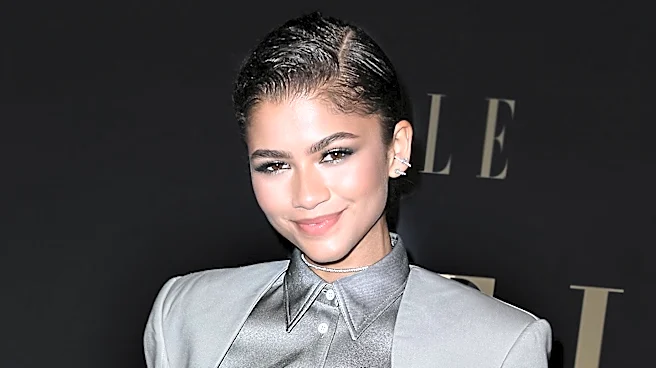
Zendaya has chosen not to publicly comment on the controversy surrounding her former 'Euphoria' co-star Sydney Sweeney's recent ad campaign for the sports betting platform Novig. The advertisement, which features Sweeney using sports equipment to cover
herself, has sparked widespread debate regarding the use of sex appeal in advertising and its implications for women in sports. While other Hollywood figures, such as Sharon Stone and Florence Pugh, have voiced criticism or shown support for those criticizing the campaign, Zendaya has maintained her silence. A source close to Zendaya indicated that her recent career success has led her to avoid engaging in what they described as 'cheap, easy shots,' preferring to focus on her own career and 'keeping her hands clean.' This decision comes amidst ongoing speculation about a strained relationship between Zendaya and Sweeney, fueled by past rumors of political differences and alleged flirtatious behavior from Sweeney towards Zendaya's fiancé, Tom Holland, though none of these claims have been publicly confirmed by the actresses.
Why It's Important?
Zendaya's decision to remain silent on the Sydney Sweeney ad controversy highlights a broader trend in celebrity engagement with public discourse, particularly concerning sensitive social issues. Her choice to abstain from public criticism, despite the involvement of other prominent figures, suggests a strategic approach to career management and public image. This stance could be interpreted as a way to avoid potential backlash or to maintain a neutral position in a divisive debate, thereby protecting her brand and professional opportunities. The controversy itself underscores ongoing discussions within the entertainment and sports industries about the objectification of women, the ethics of advertising, and the responsibilities of public figures. The differing reactions from celebrities like Sharon Stone, who criticized the ad for potentially 'denigrating women’s sports,' and WNBA player Sophie Cunningham, who defended Sweeney's choice, illustrate the complex and varied perspectives on these issues, reflecting a wider societal struggle to define appropriate boundaries in media and marketing.
What's Next?
The ongoing public conversation surrounding Sydney Sweeney's Novig ad is likely to continue, with potential for further celebrity commentary or industry responses. Zendaya is expected to maintain her focus on her career, avoiding direct engagement with the controversy, as indicated by sources. This approach suggests that she will continue to prioritize her professional projects and public image over participating in public disputes. The debate may prompt advertising agencies and brands to re-evaluate their marketing strategies, particularly concerning the portrayal of women and the use of sex appeal, to avoid similar public relations challenges. Furthermore, the differing opinions among public figures could lead to more nuanced discussions about the role of celebrities in social commentary and the impact of their endorsements on public perception. The long-term implications for the relationship between Zendaya and Sydney Sweeney remain uncertain, as neither has publicly addressed the rumors of tension.
Beyond the Headlines
The controversy surrounding Sydney Sweeney's ad and Zendaya's silence delves into deeper ethical and cultural dimensions within the entertainment industry. It highlights the pressure on public figures to take stances on social issues, while also revealing the strategic calculations involved in maintaining a successful career. The ad's reception underscores the persistent challenge of gender representation in media and the fine line between artistic expression and objectification. The differing reactions from various celebrities also reflect a generational and professional divide in how these issues are perceived and addressed. Zendaya's choice to remain neutral, despite her prominent platform, could be seen as a form of quiet activism, or simply a pragmatic career move, illustrating the complexities of navigating public scrutiny in the digital age. This event could contribute to a broader shift in how celebrity endorsements are vetted and how brands approach potentially controversial campaigns, fostering a more critical examination of their societal impact.