





What's Happening?
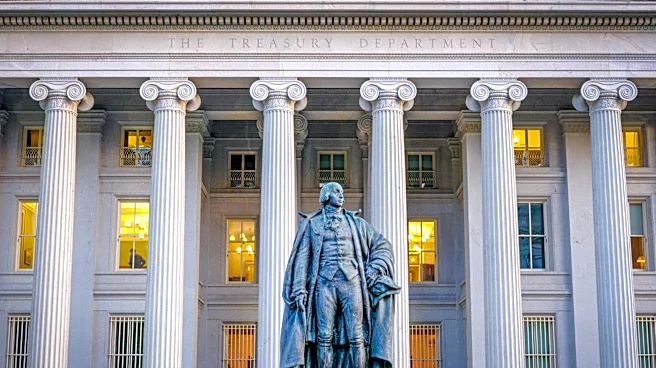
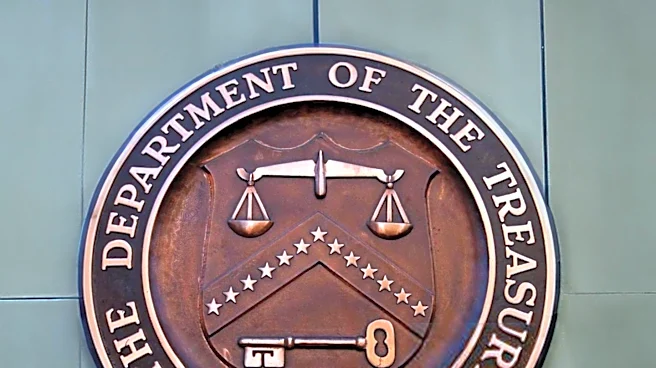
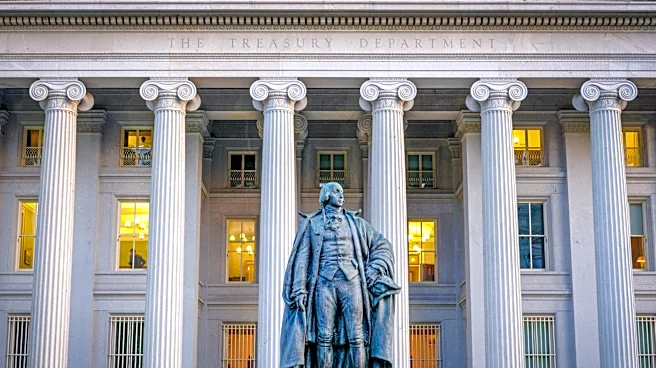
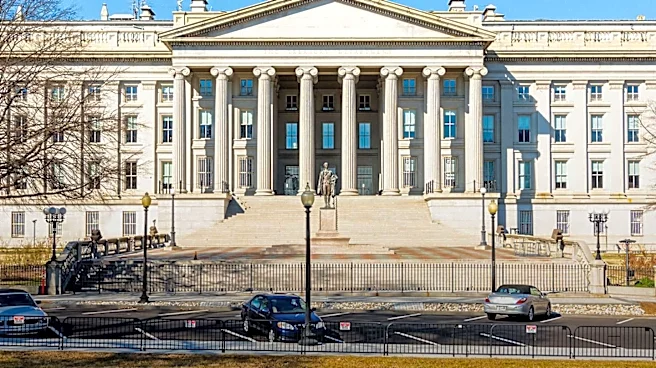
The Department of the Treasury’s Financial Crimes Enforcement Network (FinCEN) has issued an order prohibiting U.S. financial institutions from engaging in any transmittal of funds from or to MEXC Global, a Seychelles-based cryptocurrency exchange. This
action, taken on November 6, follows FinCEN's determination that MEXC Global is a financial institution of 'primary money laundering concern' due to its alleged involvement in Russian illicit finance. FinCEN claims that between May 2021 and May 2026, MEXC Global facilitated at least $16.7 billion in transactions linked to sanctions evasion, cybercrime, and other illicit activities. Specifically, the exchange is accused of processing over $1 billion in direct transactions with Iranian cryptocurrency exchanges, including those under U.S. sanctions, and facilitating approximately $22 million in transactions connected to the Central Bank of Iran, the Islamic Revolutionary Guard Corps (IRGC), and its Qods Force. The order will take effect 30 days after its publication in the Federal Register, with willful violations potentially leading to civil or criminal penalties.
Why It's Important?
This prohibition by FinCEN marks a significant escalation in the U.S. government's efforts to combat illicit finance within the cryptocurrency sector and enforce sanctions against adversarial nations. By cutting off MEXC Global from the U.S. financial system, FinCEN aims to disrupt channels used for money laundering, sanctions evasion, and the financing of activities deemed harmful to U.S. national security. This action sends a strong message to other cryptocurrency exchanges and financial institutions globally about the severe consequences of facilitating transactions with sanctioned entities or engaging in illicit financial activities. For U.S. financial institutions, it mandates heightened vigilance and compliance measures to ensure they do not inadvertently process transactions involving MEXC Global. The move underscores the growing focus of U.S. regulators on the cryptocurrency space as a potential vector for illicit financial flows, particularly in the context of Russian and Iranian sanctions.
What's Next?
U.S. financial institutions must immediately begin preparing to comply with FinCEN's order, ensuring that their systems and procedures are updated to block all fund transmittals to and from MEXC Global once the prohibition takes effect. Failure to comply could result in significant penalties. The action is likely to prompt other cryptocurrency exchanges to review their compliance protocols, especially concerning transactions with entities in sanctioned jurisdictions. This move also signals a continued aggressive stance by FinCEN and other U.S. regulatory bodies in monitoring and enforcing financial regulations within the digital asset ecosystem. The broader cryptocurrency market may experience increased scrutiny and calls for more robust regulatory frameworks to prevent similar illicit activities, potentially influencing global standards for crypto exchanges.
Beyond the Headlines
FinCEN's action against MEXC Global highlights the evolving challenges of regulating a globalized and decentralized financial landscape. The use of cryptocurrency exchanges by sanctioned entities and for illicit activities poses a complex problem for traditional financial enforcement mechanisms. This case demonstrates the U.S. government's strategy of extending its regulatory reach into the digital asset space to uphold national security and foreign policy objectives. It also raises questions about the effectiveness of current international cooperation in regulating cryptocurrency and preventing its misuse. The incident could accelerate discussions among international partners about harmonizing regulations and enhancing information sharing to create a more secure global financial system. Furthermore, it underscores the inherent tension between the decentralized nature of cryptocurrencies and the centralized regulatory demands of nation-states, a dynamic that will continue to shape the future of digital finance.