



What's Happening?
ColdTrack has inaugurated a new 105,000-square-foot temperature-controlled fulfillment facility in Mount Laurel, New Jersey. This expansion aims to significantly increase the company's capacity for handling perishable direct-to-consumer (DTC) orders across
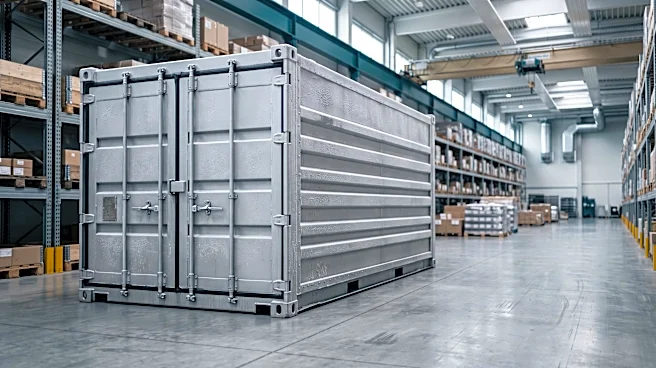
the Northeast and Mid-Atlantic regions. The new facility will replace ColdTrack's original Edison, New Jersey, operation, offering enhanced storage and fulfillment capabilities specifically designed for refrigerated and frozen products. The Mount Laurel site boasts a 50-foot ceiling clear height, 13 dock doors, and a drive-up door. It is also LEED Gold certified and utilizes a CO2 refrigeration system, emphasizing energy efficiency and environmental responsibility. The facility integrates advanced warehouse execution workflows, real-time inventory visibility, and First-Expired First-Out (FEFO) inventory management, combining Deposco's warehouse management system with ColdTrack Live (CTL), the company's proprietary order management system.
Why It's Important?
This new ColdTrack facility is crucial for the U.S. perishable goods market, particularly for direct-to-consumer brands. The expansion addresses a growing demand for specialized temperature-controlled logistics, which is vital for maintaining product quality and safety for food, beverages, seafood, and pet food delivered directly to consumers. The strategic location in Mount Laurel, New Jersey, provides critical access to major population centers in the Northeast and Mid-Atlantic, reducing transit times and improving delivery efficiency. The LEED Gold certification and CO2 refrigeration system highlight a commitment to sustainable practices, which can appeal to environmentally conscious consumers and businesses. For the trucking industry, this facility signifies increased demand for refrigerated transport and specialized logistics, as ColdTrack's operations are designed to coordinate fulfillment with specific shipping requirements, including coolant calculations and carrier assignments. This investment reflects a broader trend in the logistics sector towards more sophisticated and sustainable cold chain solutions.
What's Next?
ColdTrack's new facility is expected to immediately enhance its service offerings for perishable DTC brands, allowing them to scale operations and reach a wider customer base with greater efficiency. The company plans to leverage the advanced inventory management and order fulfillment systems to optimize supply chain processes for its clients. Discussions with existing and potential clients will likely focus on how this increased capacity and technological integration can support their growth trajectories and unique requirements. The success of this facility could also influence future investment decisions in similar cold storage infrastructure across other key U.S. regions, as the demand for specialized perishable logistics continues to grow. The focus on sustainable technologies like CO2 refrigeration may also set a precedent for future developments in the cold storage industry.
Beyond the Headlines
The opening of ColdTrack's Mount Laurel facility underscores a significant shift in consumer behavior and supply chain expectations. The rise of e-commerce for perishable goods has necessitated a more robust and technologically advanced cold chain infrastructure. This development highlights the increasing importance of specialized logistics providers who can manage the complexities of temperature-sensitive products from warehouse to doorstep. The emphasis on LEED Gold certification and CO2 refrigeration also points to a broader industry trend towards sustainability, driven by both regulatory pressures and consumer demand for eco-friendly practices. This facility is not just about storage; it represents a critical component in the evolving landscape of food distribution, where efficiency, safety, and environmental responsibility are becoming paramount. It also reflects the ongoing digital transformation within logistics, with proprietary order management systems playing a key role in optimizing operations.