




What's Happening?
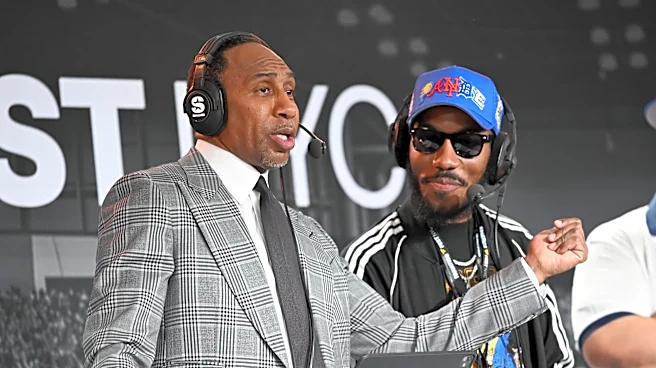
ESPN analyst Stephen A. Smith recently disclosed that he chose not to confront LeBron James during a March 2025 game due to financial considerations related to his newly announced contract with ESPN. James had confronted Smith over comments Smith made
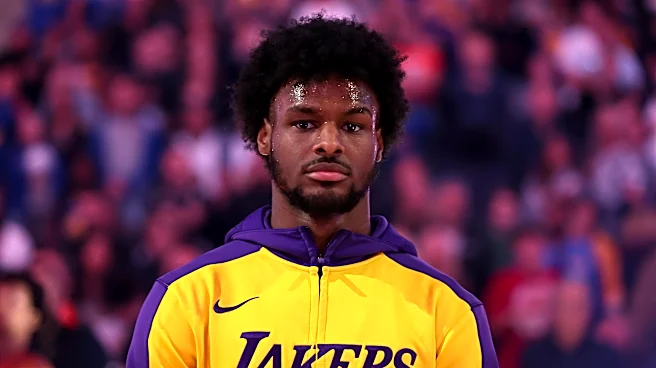
in January about James's son, Bronny James, and the 'Bronny experiment' in the NBA. Smith had publicly urged LeBron, as a father, to end the experiment, implying that Bronny's struggles in his rookie season with the Lakers were a result of being drafted primarily to please LeBron. Smith stated that on the night of the confrontation, which coincided with the announcement of his new contract, he decided against escalating the situation, fearing it 'might affect my money.' He expressed that he wanted to confront James but knew it would lead to problems. Smith also defended his original comments, believing LeBron misinterpreted them, and claims he has since moved on, even wishing James success with the Philadelphia 76ers.
Why It's Important?
This revelation by Stephen A. Smith highlights the significant financial stakes involved in sports media and the personal conduct of high-profile commentators. Smith's decision to prioritize his contract over a direct confrontation with a superstar like LeBron James underscores the economic realities that can influence journalistic integrity and personal expression in the industry. It reveals a potential tension between a commentator's role to offer critical analysis and the need to maintain professional relationships that could impact their career and earnings. For the sports media landscape, this incident sheds light on the pressures faced by analysts, particularly when their opinions intersect with the personal lives of athletes. It also raises questions about the perceived independence of sports commentary when financial incentives are openly acknowledged as a factor in behavior.
What's Next?
This incident will likely continue to be a talking point in sports media discussions, potentially influencing how commentators approach sensitive topics involving athletes and their families. It may lead to increased scrutiny of the relationships between media personalities and sports figures, and how these dynamics are perceived by the public. For Stephen A. Smith, his candid admission could either be seen as a moment of transparency or as an acknowledgment of the compromises inherent in his profession. The broader implication is that the financial ties between media outlets and their talent, and the talent's relationships with the subjects they cover, will remain a complex and often unstated factor in sports journalism.
Beyond the Headlines
Beyond the immediate context of sports commentary, this event touches on universal themes of professional ethics, personal boundaries, and the power dynamics inherent in celebrity culture. Smith's internal conflict between his desire to respond and his financial prudence reflects a common dilemma faced by individuals in high-stakes professions. It also highlights the intense scrutiny and pressure placed on public figures, both athletes and media personalities, and the blurred lines between their professional and personal lives. The 'Bronny experiment' itself, and the public debate around it, speaks to the broader societal fascination with legacy, nepotism, and the challenges faced by children of famous parents in carving out their own identities and careers. This incident serves as a microcosm of the complex interplay between fame, finance, and public discourse in contemporary society.