


What's Happening?
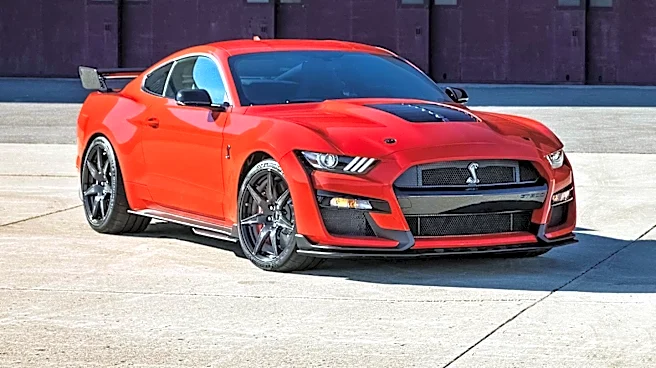
Ford CEO Jim Farley has stated that the Ford Mustang will not transition into an all-electric sports car. This declaration comes amidst a rapidly evolving automotive industry where electric vehicles are becoming increasingly prevalent. Farley emphasized
that the Mustang's core identity is rooted in its performance, powerful engines, distinctive sound, and the emotional connection it fosters with drivers. He believes that preserving these characteristics is crucial to maintaining the Mustang's status as an automotive icon. While Ford is actively exploring new technologies and lower-emission solutions, the company aims to do so without compromising the Mustang's traditional, performance-focused nature. Farley also clarified that the electric Mustang Mach-E serves a different market segment and is not intended to replace the classic Mustang coupe.
Why It's Important?
This decision by Ford's CEO is significant for the U.S. automotive industry and car enthusiasts. It signals a strategic approach by a major American automaker to balance innovation with brand heritage in the transition to electric vehicles. For Mustang enthusiasts, it reassures them that the traditional driving experience, characterized by engine response and exhaust roar, will continue. This stance could differentiate Ford in a market increasingly dominated by electric offerings, potentially appealing to consumers who value classic performance attributes. Economically, maintaining a gasoline-powered Mustang line could impact Ford's investment strategies in EV technology versus traditional internal combustion engine development. It also highlights a potential divergence in market strategies among automakers regarding the electrification of iconic models, with some opting for full electrification and others, like Ford with the Mustang, choosing a more nuanced path.
What's Next?
Ford will likely continue to develop and market both its traditional gasoline-powered Mustang and the electric Mustang Mach-E, catering to different consumer preferences. The company will need to navigate the evolving regulatory landscape concerning emissions while simultaneously investing in new technologies to enhance the performance and efficiency of its internal combustion engines. This approach suggests that Ford will seek to innovate within the traditional Mustang framework, potentially introducing hybrid technologies or other lower-emission solutions that do not fundamentally alter the car's character. The automotive world will be watching to see how this strategy impacts Mustang sales and brand loyalty, especially as competitors continue to push towards fully electric lineups. Ford's ability to preserve the Mustang's essence while adapting to environmental demands will be a key factor in its future success.
Beyond the Headlines
The decision to keep the Mustang as a non-electric sports car touches upon deeper cultural and emotional aspects of car ownership in the U.S. For many, the Mustang represents more than just transportation; it embodies freedom, power, and a specific American automotive heritage. Farley's comments acknowledge this emotional connection, suggesting that some iconic vehicles hold a cultural significance that transcends purely technological advancements. This approach could spark a broader conversation within the industry about the role of heritage models in an electric future. It also raises questions about consumer demand for traditional driving experiences versus the environmental benefits and performance characteristics of EVs. The long-term success of this strategy could influence how other legacy automakers approach the electrification of their own iconic brands, potentially leading to a more diverse automotive landscape where both electric and traditional performance vehicles coexist.