




What's Happening?
Urban Bonfire outdoor kitchen cabinetry, designed in Montreal, is now being manufactured in Comstock Township, Michigan. This production shift follows a 2025 expansion that integrated Urban Bonfire's line into the same facility as its sister brand, Kalamazoo
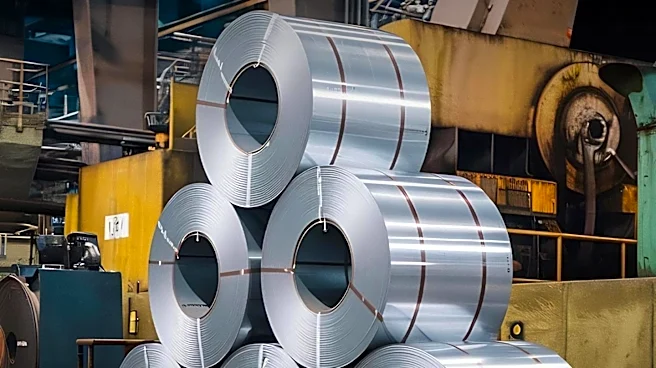
Outdoor Gourmet. Urban Bonfire specializes in powder-coated marine-grade aluminum cabinetry, distinguishing itself from Kalamazoo's hand-welded stainless steel products. The key advantage highlighted for Urban Bonfire's aluminum construction is its inability to rust, a common issue with stainless steel in coastal environments due to its iron content. The aluminum is powder-coated inside and out to an AAMA 2604 standard, an architectural finish known for color and gloss retention. This material choice also makes the cabinetry non-combustible and lighter than stainless steel, offering benefits for installations on balconies or docks. The company offers various collections, including Origine and a collaboration with Dekton, with production times ranging from four to twelve weeks.
Why It's Important?
The domestic manufacturing of Urban Bonfire outdoor kitchens in Michigan is significant for the U.S. market, particularly for consumers in coastal regions like Florida. By producing these units within the U.S., the company can offer domestic freight advantages and potentially reduce lead times compared to international shipments. The use of marine-grade aluminum provides a durable, rust-resistant alternative to traditional stainless steel, addressing a critical concern for homeowners in salt-air environments. This innovation could lead to increased market share for aluminum outdoor cabinetry, influencing material choices and design trends in the outdoor living sector. The shared manufacturing facility with Kalamazoo also suggests potential efficiencies and quality control benefits, leveraging established expertise in high-end outdoor kitchen production. This development offers consumers more diverse options tailored to specific environmental challenges, potentially driving competition and innovation among outdoor kitchen manufacturers.
What's Next?
The continued production of Urban Bonfire cabinetry in Michigan is expected to solidify its presence in the U.S. market. Dealers like Jupiter Pergola Inc. will continue to offer these products, emphasizing their rust-resistant properties and domestic origin. Consumers can anticipate a focus on the benefits of aluminum in coastal applications, potentially leading to increased adoption in areas prone to corrosion. The company's warranty, offering a limited 10-year coverage on cabinetry, will likely be a key selling point. Future developments may include further integration of manufacturing processes with Kalamazoo, or the introduction of new collections and finishes to cater to evolving consumer preferences. The emphasis on non-combustible materials and lighter weight could also influence building codes and installation practices for outdoor kitchens, particularly in multi-story or specialized outdoor living spaces.
Beyond the Headlines
The shift to domestic manufacturing for Urban Bonfire highlights a broader trend towards localized production and supply chain resilience within the U.S. This move not only supports American jobs but also potentially reduces the environmental footprint associated with international shipping. The material science aspect, specifically the use of marine-grade aluminum, underscores an innovative approach to addressing environmental challenges like salt-air corrosion. This could inspire other industries facing similar material degradation issues to explore alternative alloys and coatings. Furthermore, the collaboration between sister brands under a single parent company, sharing manufacturing facilities while maintaining distinct product lines, exemplifies a strategic business model that balances brand identity with operational efficiency. This approach could serve as a blueprint for other companies seeking to optimize production while diversifying their product offerings to meet varied market demands and environmental conditions.