






What's Happening?
Stow Group, a European manufacturer, has inaugurated its first U.S. advanced manufacturing plant in Calhoun, Georgia. This 240,000-square-foot facility establishes a domestic production base for industrial racking and storage systems, marking Stow's expansion
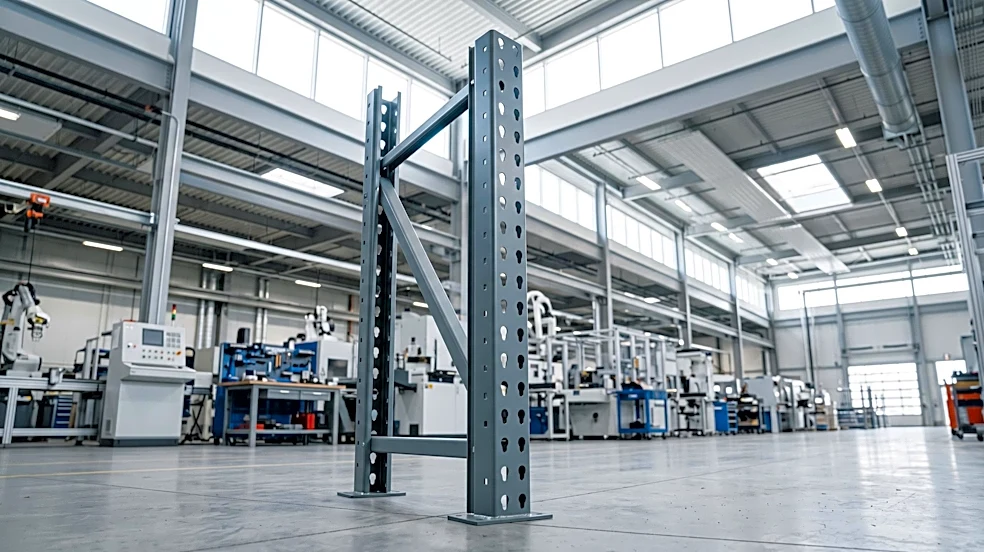
into the North American market. The plant, which began production in May and was formally inaugurated in October, is Stow's eighth manufacturing facility globally. It is expected to create approximately 200 jobs at full capacity, with 120 positions already filled in production, engineering, quality control, and operations. Stow estimates its investment in the operation, excluding the building, to be between $40 million and $50 million. The facility manufactures punch and roll-formed teardrop racking systems engineered to U.S. codes, including RMI 2023 standards, and incorporates fully automated production lines and robotic precision welding technology.
Why It's Important?
The opening of Stow Group's manufacturing plant in Georgia is a significant development for the U.S. industrial sector. It addresses critical supply chain vulnerabilities by reducing reliance on imported racking systems, thereby shortening lead times for U.S. customers from 12-15 weeks to 6-9 weeks. This domestic production also mitigates exposure to ocean freight disruptions, tariffs, and currency fluctuations, enhancing the resilience of the U.S. logistics and warehousing infrastructure. The creation of 200 jobs in Calhoun, Georgia, provides economic benefits to the local community through employment opportunities and increased tax revenue. Furthermore, the plant's use of advanced manufacturing techniques, including automation and robotic welding, signifies a commitment to high-quality, U.S.-engineered products, potentially setting new standards for efficiency and precision in the industrial storage solutions market. This investment reflects a broader trend of foreign companies establishing manufacturing bases in the U.S. to better serve the North American market.
What's Next?
Stow Group plans to continue hiring for the remaining positions at its Calhoun facility to reach full capacity of approximately 200 jobs. The plant is expected to process around 100 million pounds of steel annually by the end of 2026, significantly increasing its output of industrial racking systems. Stow's CEO, Jos De Vuyst, has indicated that Calhoun will not be the company's last U.S. plant, suggesting further investments and expansion in North America as the company pursues additional market share. The Georgia operation is already supplying projects across the country, and Stow is considering additional capacity in Georgia to further expand its manufacturing and warehouse automation footprint. This expansion will likely involve continued integration with its commercial hub in Romeoville, Illinois, which provides sales, service, and offers various pallet racking and automated warehouse systems.
Beyond the Headlines
Stow Group's decision to establish an advanced manufacturing plant in Georgia highlights a strategic shift towards localized production in response to global supply chain challenges and geopolitical uncertainties. This move not only benefits U.S. customers with faster delivery and reduced costs but also contributes to the reshoring of manufacturing capabilities, strengthening the domestic industrial base. The integration of fully automated production lines and robotic precision welding technology in the new plant underscores the ongoing industrial revolution, where advanced robotics and automation are becoming integral to modern manufacturing. This technological adoption can lead to higher product quality, increased efficiency, and potentially a more competitive U.S. manufacturing sector. Moreover, the creation of skilled jobs in engineering and quality control suggests a demand for a highly trained workforce, prompting educational institutions and vocational programs to adapt to these evolving industry needs. This investment could also spur further economic development in the region, attracting other businesses and fostering a robust industrial ecosystem.