






What's Happening?
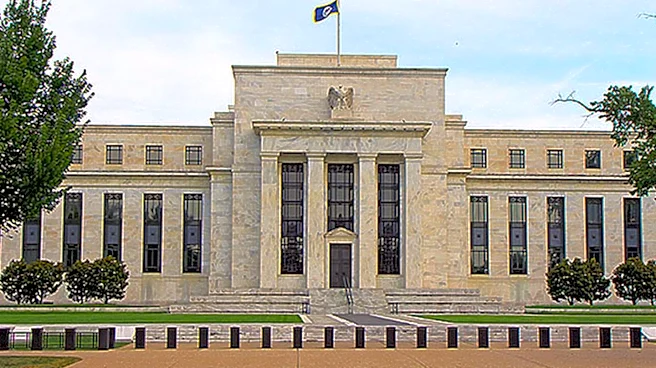
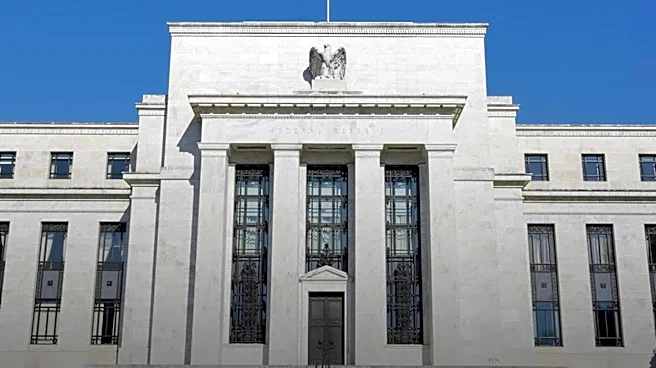
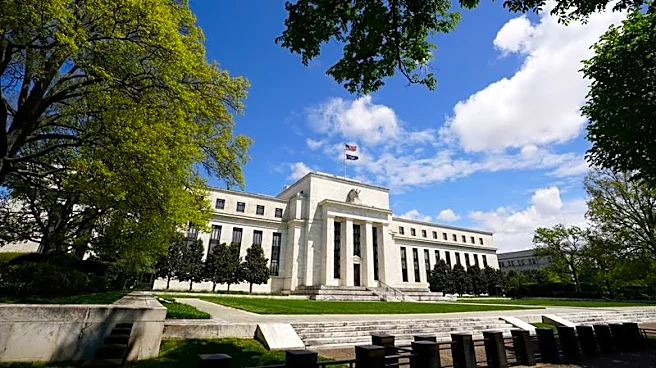
The Federal Reserve is expected to maintain its current interest rate levels following weaker-than-expected job growth in the U.S. economy. According to the Bureau of Labor Statistics, nonfarm payrolls increased by only 57,000 in June, significantly below
the forecasted 115,000 and the revised 129,000 in May. Analysts suggest that the combination of weak job numbers and lower oil prices, which have eased inflation concerns, will likely lead to a pause in rate hikes. Dan Coatsworth from AJ Bell noted that typically, weak job data would prompt central banks to consider rate cuts to stimulate the economy. However, the current economic conditions, including easing tensions in the Middle East, have led to optimism that interest rates will remain stable. Reports from United Overseas Bank and UBS Global Wealth Management indicate that the Federal Reserve may not raise rates this year, with potential rate cuts possible in 2027.
Why It's Important?
The decision to maintain interest rates has significant implications for the U.S. economy. By keeping rates steady, the Federal Reserve aims to support economic growth without exacerbating inflation. This approach could benefit businesses and consumers by maintaining lower borrowing costs, encouraging investment, and sustaining consumer spending. However, the weak job growth highlights underlying economic challenges that could impact long-term recovery. The decision also reflects broader global economic conditions, such as oil price fluctuations and geopolitical tensions, which influence domestic economic policy. Stakeholders, including investors and policymakers, will closely monitor these developments to assess their impact on economic stability and growth prospects.
What's Next?
The Federal Reserve's decision to pause rate hikes will likely lead to increased scrutiny of upcoming economic data, particularly employment figures and inflation rates. Analysts and investors will watch for any signs of economic recovery or further downturns that could influence future monetary policy decisions. Additionally, potential geopolitical developments, such as changes in oil prices or international trade dynamics, could affect the Fed's strategy. The central bank's approach will also be influenced by domestic fiscal policies and legislative actions aimed at stimulating economic growth. As the year progresses, the Federal Reserve's policy decisions will remain a focal point for economic stakeholders.