




What's Happening?
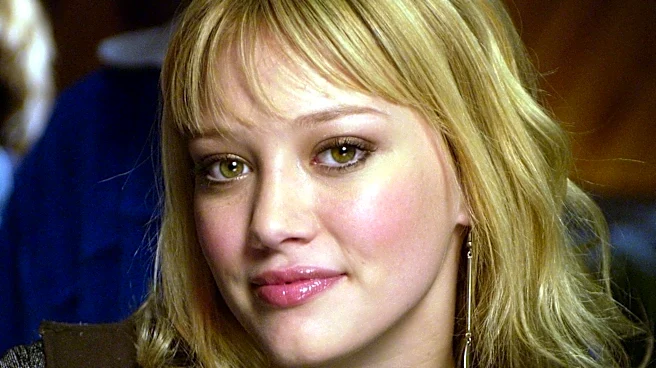
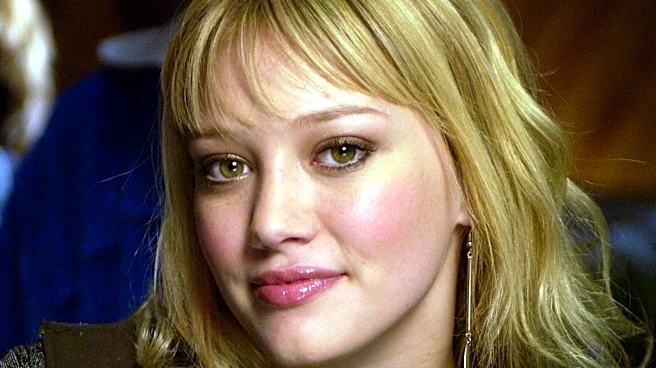
Hilary Duff, the 39-year-old actress and singer, has opened up about the enduring 'scars from the past' she experienced as a child star. In a recent interview with Billboard, Duff discussed the challenges of growing up in the public eye, particularly
after rising to fame at 14 in Disney Channel's 'Lizzie McGuire.' Her reflections coincide with her return to music after a decade-long hiatus, marked by the February release of her album 'Luck … Or Something,' which debuted at No. 3 on the Billboard 200. She also launched the 'Lucky Me Tour' in June, her first major tour in nearly two decades. Duff described the difficulty of stepping back onto the stage, noting the need to reconcile her past persona with her current identity. She also mentioned an ingrained impulse to 'say yes and to go, go, go,' a habit she attributes to her early career. Despite the challenges, Duff expressed gratitude for reconnecting with fans, who she believes have helped her heal by accepting her growth.
Why It's Important?
Hilary Duff's candid discussion highlights the significant and often long-lasting psychological impact of child stardom within the entertainment industry. Her experience underscores a broader issue faced by many young performers who navigate fame at a formative age, often leading to identity struggles and ingrained behavioral patterns. Her return to music on her 'own terms' signifies a shift towards greater artistic control for former child stars, contrasting with the past where many decisions were made for them. This narrative is crucial for understanding the pressures within Hollywood and the mental health challenges faced by individuals who achieve fame early in life. Her story resonates with fans who grew up with her, offering a shared experience of growth and healing, and potentially influencing how the industry supports and protects its young talent in the future.
What's Next?
Hilary Duff's 'Lucky Me Tour' is set to continue, with an extension through 2027 that includes 32 additional dates across Europe, Latin America, and the U.S., indicating strong fan demand and a sustained presence in the music industry. Her continued engagement with fans and her willingness to discuss the complexities of her past may foster a deeper connection with her audience and potentially inspire other former child stars to share their experiences. This ongoing dialogue could contribute to broader conversations within the entertainment industry about mental health support and ethical practices for young performers. As Duff continues to evolve her artistic identity, her future projects will likely reflect her journey of self-discovery and empowerment, potentially influencing new narratives in music and acting.
Beyond the Headlines
Duff's narrative extends beyond her personal journey, touching upon the ethical responsibilities of the entertainment industry towards its youngest stars. Her description of herself as a 'Disney dog' and the ingrained 'go, go, go' mentality points to a systemic issue where young talent may be pushed to their limits without adequate consideration for their long-term well-being. This raises questions about the psychological support systems in place for child actors and the potential for exploitation. Her ability to 'survive' child stardom, as she puts it, highlights the resilience required but also implicitly critiques an environment where many do not. Her story could serve as a catalyst for industry-wide discussions on safeguarding child performers, promoting healthier career trajectories, and ensuring that young artists have agency over their careers from an early age.