







What's Happening?
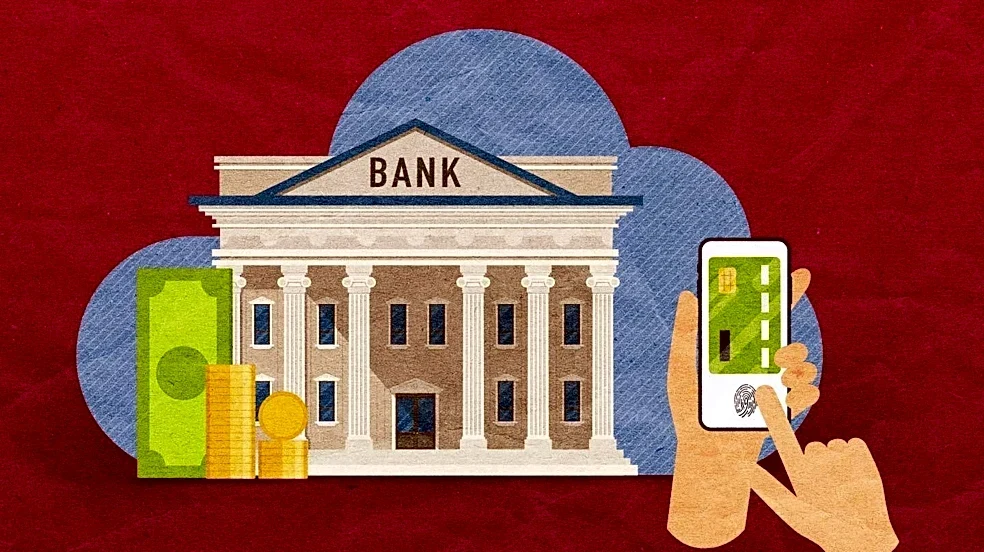
The Federal Deposit Insurance Corporation (FDIC) has issued final amendments to its official signage and advertising requirements, specifically under 12 CFR §§ 328.4 and 328.5. These updated regulations are set to become effective on April 1, 2027. The changes
primarily focus on the display of the FDIC's official digital sign and non-deposit disclosures across various digital banking channels. This includes online platforms, mobile applications, and other electronic interfaces used by financial institutions. The amendments aim to clarify how banks must present information regarding FDIC insurance to consumers in the increasingly digital landscape of banking. The FDIC, an independent agency created by the U.S. Congress, is responsible for maintaining stability and public confidence in the nation’s financial system by providing deposit insurance up to $250,000 per depositor, per insured bank, per ownership category.
Why It's Important?
These amendments are crucial for ensuring consumer clarity and confidence in the digital banking environment. As more financial transactions and interactions shift online, it becomes vital for consumers to easily identify which products and services are FDIC-insured and which are not. The new rules will help prevent misunderstandings about deposit insurance coverage, particularly for non-deposit products offered through digital channels. For financial institutions, compliance with these updated regulations will be essential to avoid penalties and maintain consumer trust. The changes will impact how banks design their online platforms and mobile applications, requiring them to integrate the new digital signage and disclosure requirements effectively. This move reflects the FDIC's ongoing effort to adapt its regulatory framework to technological advancements in the financial sector, safeguarding the public and promoting financial stability.
What's Next?
Financial institutions now have a clear timeline to prepare for the April 1, 2027, effective date of the new FDIC signage and advertising requirements. They will need to review their current digital banking platforms, mobile applications, and other electronic interfaces to ensure compliance. This will likely involve updating website designs, app layouts, and digital marketing materials to incorporate the official digital sign and appropriate non-deposit disclosures. Banks will also need to educate their staff on the new regulations and implement internal policies and procedures to ensure ongoing adherence. The FDIC's focus on digital channels indicates a continued emphasis on consumer protection in the evolving financial landscape, and further guidance or clarifications may be issued as the effective date approaches.
Beyond the Headlines
The FDIC's updated signage rules for digital channels highlight a broader trend in financial regulation: the adaptation of traditional oversight to the digital age. This move acknowledges that consumer interactions with financial institutions are increasingly virtual, necessitating a re-evaluation of how critical information, such as deposit insurance, is conveyed. Beyond mere compliance, these changes could foster greater transparency and trust in online banking, potentially encouraging more widespread adoption of digital financial services. However, it also places a significant burden on financial institutions to innovate their digital interfaces while adhering to strict regulatory guidelines. The long-term implication is a more robust and secure digital financial ecosystem, but one that demands continuous vigilance and adaptation from both regulators and regulated entities to keep pace with technological advancements and evolving consumer behaviors.