








What's Happening?
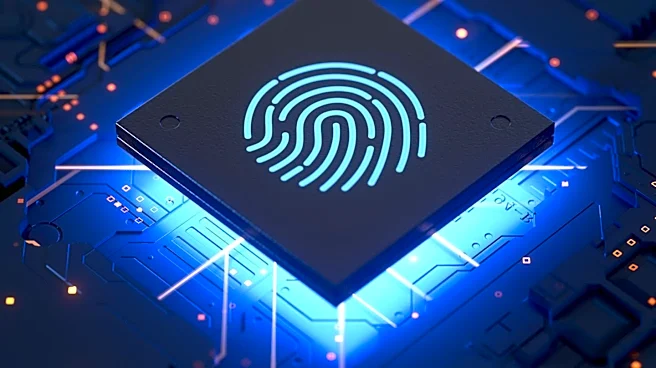
Biometric turnstiles are being increasingly integrated into physical security systems across various U.S. facilities, including corporate campuses, industrial properties, and government buildings. These systems aim to close the security gap left by traditional
credentials like badges or key fobs, which can be shared, lost, or used by unauthorized individuals. By incorporating unique identifiers such as fingerprints, facial profiles, or palm scans, biometric turnstiles link access directly to the individual, ensuring that the person entering is indeed authorized. When integrated with turnstiles, the system verifies the user's identity, confirms access authorization, and then releases the gate, providing a more robust layer of security. This approach is particularly beneficial in environments where precise identity verification is critical, such as high-security areas or employee-only entrances.
Why It's Important?
The adoption of biometric turnstiles is a significant development for physical security in the U.S., impacting industries that require stringent access control. This technology enhances security by mitigating risks associated with credential sharing, lost badges, and tailgating, which can compromise sensitive areas and data. For corporate campuses, data centers, research labs, and industrial operations, this means a higher level of protection against unauthorized entry, theft, and espionage. It also improves audit capabilities by providing more reliable identity verification for compliance and reporting obligations. The ability to layer authentication methods, combining biometrics with traditional credentials, allows facilities to tailor security levels to specific zones, optimizing both protection and operational efficiency. This trend reflects a growing recognition that physical security is a critical component of overall organizational resilience and data protection.
What's Next?
The implementation of biometric turnstiles is expected to continue expanding, with organizations strategically deploying them in areas requiring the highest level of security. Facilities will likely adopt a layered security approach, using biometrics at critical entry points while potentially retaining traditional credentials for less sensitive areas. The focus will be on thoughtful deployment, considering factors such as the level of risk, the number of users, and the type of facility. Ongoing advancements in biometric technology, including improved accuracy and anti-spoofing measures, will further enhance the effectiveness of these systems. Additionally, there will be a continued emphasis on integrating biometric access control with broader security management systems to create a cohesive and comprehensive security infrastructure.
Beyond the Headlines
The increasing reliance on biometric turnstiles raises important discussions about privacy, data security, and the balance between convenience and control. While these systems offer enhanced security, they also involve the collection and storage of sensitive personal biometric data, necessitating robust data protection policies and compliance with privacy regulations. There are ethical considerations regarding consent, the potential for surveillance, and the implications for individual freedoms within controlled environments. Culturally, the normalization of biometric scanning for physical access could reshape societal expectations around privacy in public and private spaces. In the long term, this technology could contribute to safer and more secure environments, but it also demands careful consideration of its societal impact and the development of clear guidelines to prevent potential abuses and ensure equitable access and treatment for all individuals.