



What's Happening?
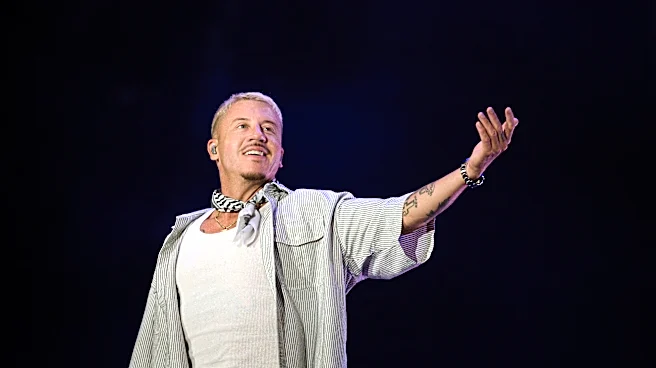
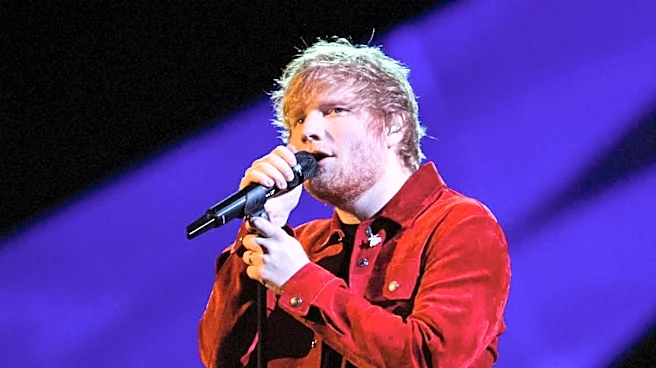
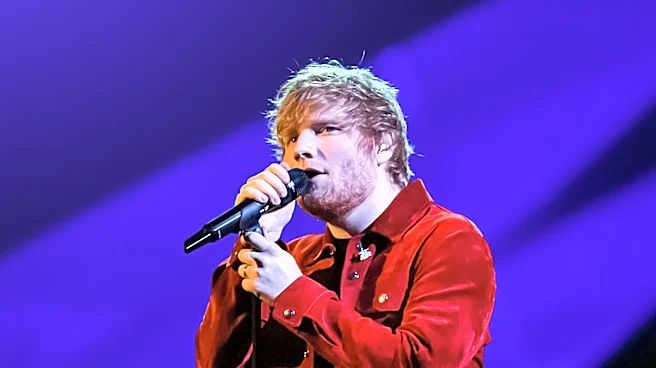
Rapper Macklemore has been removed from Ed Sheeran's U.S. tour after venues reportedly threatened to cancel shows due to Macklemore's pro-Palestine comments. Macklemore stated on Instagram that New England Patriots' owner Robert Kraft, who owns Gillette
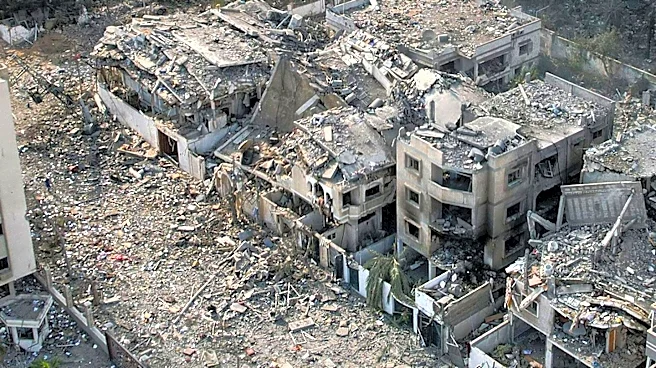
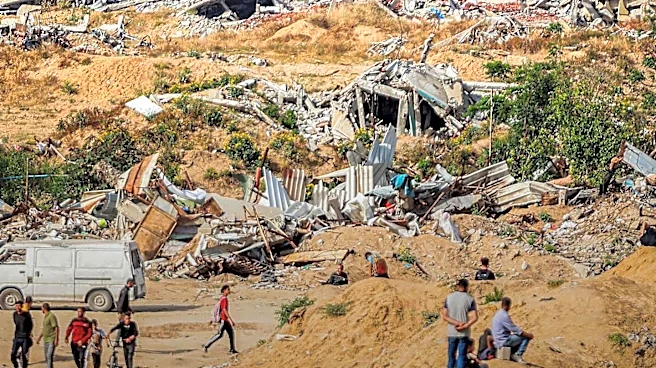
Stadium, threatened to pull Sheeran's concert if Macklemore remained on the lineup. Kraft allegedly rallied other venue owners, leading to Sheeran's team and Messina Touring Group removing Macklemore. Macklemore had been vocal about Palestine on stage for nearly three years, including showing footage of destruction in Gaza and performing 'Hind's Hall,' a song named after a six-year-old killed by the Israeli military. Sheeran reportedly told Macklemore that the phrase 'Free Palestine' was causing objections. Messina Touring Group confirmed that multiple venues would not allow concerts with Macklemore on the bill, and the decision was made after discussions with stakeholders.
Why It's Important?
This incident highlights the increasing pressure on artists to navigate politically charged topics, particularly the Israeli-Palestinian conflict, in their public platforms. The involvement of venue owners and promoters in decisions about artist participation underscores the significant financial and reputational risks associated with taking a stance on controversial issues. For artists, this situation demonstrates a potential chilling effect on freedom of expression, as their ability to perform and tour can be directly impacted by their political views. For the music industry, it reveals the complex interplay between artistic freedom, commercial interests, and geopolitical sensitivities, forcing stakeholders to weigh potential backlash from audiences, sponsors, and venue operators against supporting artists' rights to express their beliefs. The controversy also brings to light the power dynamics within the entertainment industry, where influential figures like Robert Kraft can reportedly influence tour lineups across multiple venues.
What's Next?
Macklemore's future touring plans and his continued public advocacy for Palestine will likely be closely watched. The incident may prompt further discussions within the music industry regarding artist contracts, freedom of speech clauses, and the role of venues and promoters in curating politically neutral or aligned events. Other artists may re-evaluate their approach to political statements during performances, potentially leading to more cautious public commentary or, conversely, inspiring more artists to speak out in solidarity. The venues involved may face scrutiny regarding their policies on artist expression and their responsiveness to external pressures. The broader public discourse around the Israeli-Palestinian conflict within the entertainment sphere is also likely to intensify, with fans and advocacy groups potentially taking sides and influencing future concert attendance and artist support.
Beyond the Headlines
This event delves into the deeper implications of corporate influence on artistic expression and the commercialization of public platforms. It raises questions about whether venues and promoters, often driven by profit and risk aversion, are becoming arbiters of acceptable political discourse for artists. The incident also reflects a broader societal tension where calls for social justice and human rights intersect with deeply entrenched political and economic interests. The alleged involvement of a prominent sports team owner like Robert Kraft further blurs the lines between sports, entertainment, and political activism, suggesting that financial power can extend its reach into diverse cultural sectors. This situation could contribute to a climate where artists feel compelled to self-censor to maintain career viability, potentially stifling diverse perspectives and critical commentary on global issues. It also underscores the challenge of maintaining neutrality in an increasingly polarized world, where even seemingly apolitical entities are drawn into political debates.