





What's Happening?
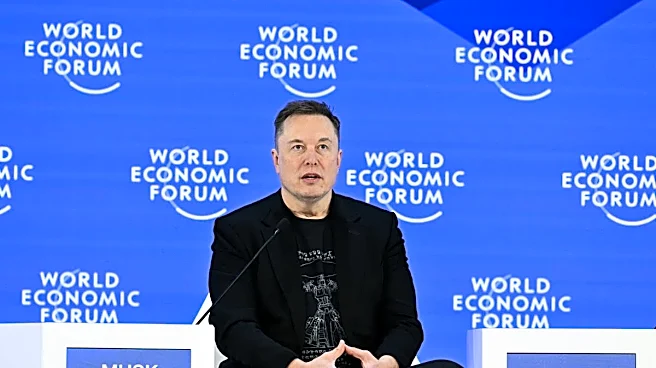
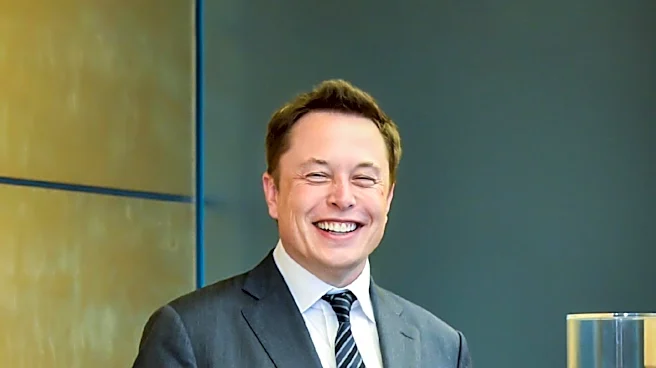
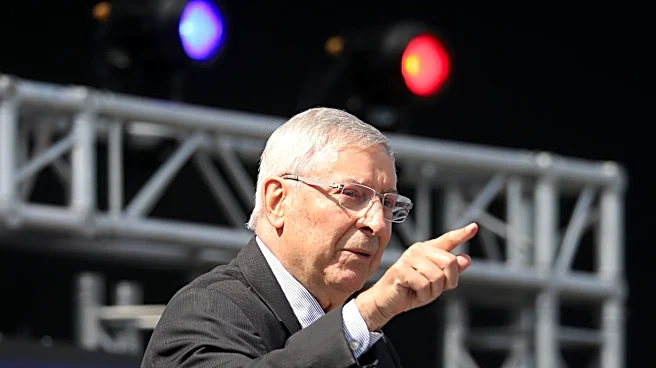
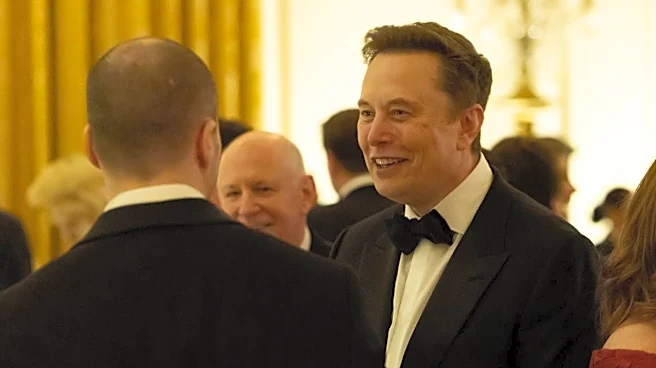
Elon Musk, CEO of SpaceX, has publicly stated that Delta Air Lines CEO Ed Bastian will lose his job. This assertion follows reported comments by Bastian regarding Delta's decision not to partner with Starlink for in-flight Wi-Fi. According to a post on X by user
JonNYC, Bastian reportedly told employees, "We do not want to be with Elon Musk. Trust me." He allegedly added, "If you know his reputation, it’s all true what they say about him." These remarks were reportedly made during company events where Bastian explained Delta's choice to opt for Amazon's LEO satellite internet service instead of Starlink. Delta had reportedly tested Starlink but decided against a partnership. Musk responded to these reported comments on X, stating, "He will lose his job over this." This is not the first time Musk has criticized Delta's decision, having previously warned that the airline would lose customers by not offering Starlink, unlike competitors such as United Airlines and Alaska Air Group.
Why It's Important?
This public dispute between two prominent CEOs highlights the intense competition in the in-flight connectivity market and the broader implications of corporate leadership's personal views on business decisions. Delta's choice to partner with Amazon Leo over Starlink, and the reported reasons behind it, could influence future technology adoption strategies across the airline industry. If Bastian's reported comments about Musk's reputation are accurate, it suggests that personal brand and public perception can significantly impact high-stakes business deals, even when the technology itself might be competitive. For Starlink, securing major airline partnerships is crucial for expanding its market reach and validating its service in a highly visible sector. Conversely, Amazon's LEO service gains a significant endorsement from a major airline like Delta, potentially boosting its credibility and competitive standing against Starlink. The outcome of this situation could set a precedent for how airlines weigh technological capabilities against the public image of their potential partners.
What's Next?
The immediate next steps will likely involve monitoring the rollout of Amazon Leo's satellite internet service on Delta's fleet, which is expected to begin in 2028, with beta testing in 2027. The performance and customer reception of this service will be critical in validating Delta's decision. Meanwhile, Elon Musk may continue to leverage social media to criticize Delta's choice and promote Starlink's advantages, potentially influencing public opinion and customer loyalty. Competitor airlines that have adopted Starlink, such as United, may highlight their in-flight connectivity offerings as a differentiator. The reported comments by Bastian, if confirmed, could also lead to further scrutiny of corporate decision-making processes, particularly concerning the influence of personal opinions on strategic partnerships. The long-term impact on Bastian's tenure as Delta CEO will depend on various factors, including the success of the Amazon Leo partnership and Delta's overall financial performance and customer satisfaction.
Beyond the Headlines
This incident delves into the complex interplay between corporate strategy, personal brand, and public perception in the modern business landscape. The reported reluctance of a major airline CEO to partner with a technology provider due to the founder's 'reputation' suggests a growing trend where the personal conduct and public image of leaders can become a significant factor in business negotiations. This goes beyond mere product specifications or pricing, touching upon ethical considerations, corporate values, and the potential for reputational risk. It also underscores the power of social media as a platform for high-profile executives to engage in public discourse, sometimes leading to direct confrontations. The situation could prompt other companies to re-evaluate their due diligence processes, considering not just the technical and financial aspects of a partnership but also the broader implications of aligning with individuals or entities whose public image might be polarizing. This could lead to a more cautious approach in forming alliances, prioritizing partners with stable and widely accepted public personas.