








What's Happening?
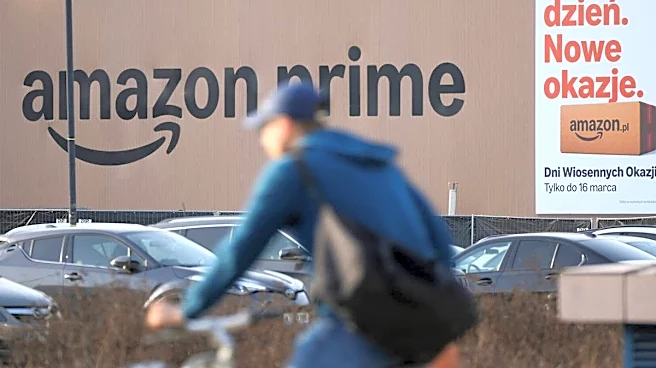
A recent survey by AlixPartners highlights a significant shift in consumer expectations regarding delivery times, with sub-three-day delivery becoming the new standard. The survey, which gathered insights from U.S. consumers and senior executives in transportation
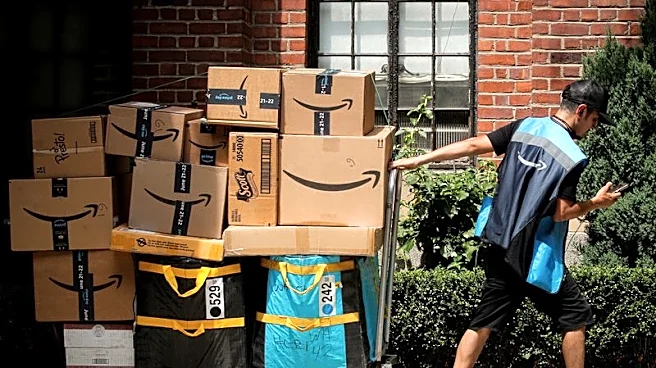
and logistics, reveals that consumers now expect free delivery within an average of 2.7 days, a decrease from previous years. This change is largely attributed to the influence of major e-commerce players like Amazon, which have set high standards for fast fulfillment. The survey also notes a diversification in carrier usage, with many retailers moving away from traditional carriers like FedEx and UPS to meet these demands. Additionally, the adoption of AI technologies is becoming crucial for improving delivery accuracy and customer satisfaction.
Why It's Important?
The shift in consumer expectations for faster delivery times is reshaping the retail landscape, forcing companies to adapt or risk losing business. This trend underscores the growing influence of e-commerce giants in setting industry standards. Retailers are now compelled to invest in technology and diversify their carrier partnerships to meet these new expectations. The increased reliance on AI for optimizing delivery processes highlights the importance of technological advancements in maintaining competitiveness. As delivery speed becomes a critical factor in consumer satisfaction, retailers face the challenge of balancing cost and efficiency to remain profitable.
What's Next?
Retailers are likely to continue exploring new strategies to meet the demand for faster delivery times. This may include further investment in AI technologies to enhance delivery accuracy and efficiency. The trend of diversifying carrier partnerships is expected to grow, as retailers seek more reliable and flexible options to handle increased volume demands. As consumer expectations continue to evolve, retailers will need to innovate and adapt their logistics strategies to maintain customer loyalty and market share.
Beyond the Headlines
The ongoing changes in delivery expectations may lead to a more fragmented market, where different segments offer varying delivery speeds based on product type and consumer demand. This could result in a tiered service model, where some retailers focus on ultra-fast delivery for specific categories, while others maintain a more traditional approach. The ethical implications of increased delivery speeds, such as environmental impact and labor conditions, may also come under scrutiny as the industry evolves.