




What's Happening?
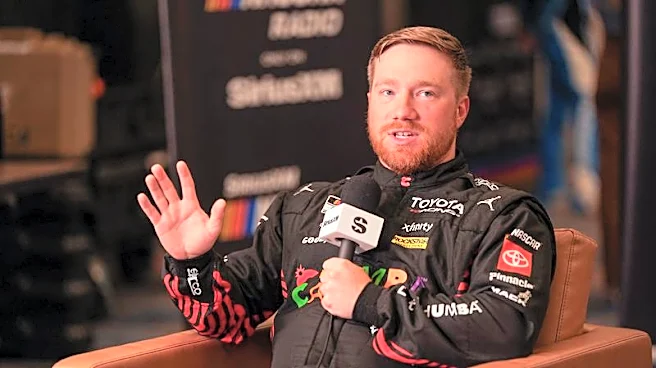
NASCAR driver Ross Chastain has publicly addressed comments made by former Cup Series champion Kevin Harvick regarding Chastain's future with Trackhouse Racing. Harvick, speaking on his SPEED podcast, suggested that Chastain's position at Trackhouse Racing might
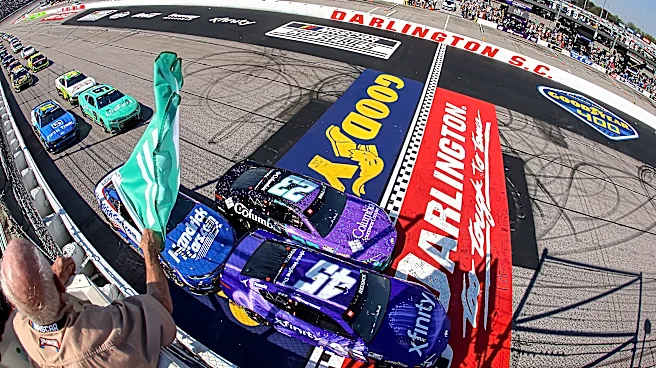
be in question due to the performance and marketability of teammate Shane van Gisbergen, whose contract, along with Chastain's, expires after the 2027 season. Harvick highlighted that van Gisbergen has been the 'best-performing car at Trackhouse this year' and is 'probably the most marketable car.' Chastain, currently driving the No. 1 Chevrolet for Trackhouse Racing, dismissed Harvick's speculation as premature, stating, 'That's a long way away.' He further commented on Harvick's new role as a podcast host, implying that such commentary is part of Harvick's post-driving career. The discussion arose in the context of 'silly season' talks in NASCAR, which often involve speculation about driver contracts and team changes. Chastain emphasized his focus on the current race at Darlington, rather than future contract negotiations.
Why It's Important?
This exchange highlights the intense competitive and business dynamics within NASCAR, particularly concerning driver contracts and team strategies. The speculation surrounding Ross Chastain's future at Trackhouse Racing underscores the significant role that both on-track performance and marketability play in a driver's career longevity and team stability. For Trackhouse Racing, the situation presents a strategic challenge as they navigate expiring contracts for key drivers like Chastain and Shane van Gisbergen. The team must weigh performance metrics against sponsorship appeal and long-term team vision. The comments from a respected former champion like Kevin Harvick can influence public perception and add pressure on drivers and teams, even if the contract expiration is still years away. This scenario also reflects the growing influence of media personalities, including former drivers turned analysts, in shaping narratives within the sport, impacting how fans and stakeholders view team and driver prospects.
What's Next?
While Ross Chastain has indicated that contract discussions are 'a long way away,' the speculation is likely to continue as the 2027 season approaches. Trackhouse Racing owner Justin Marks will eventually face significant decisions regarding the team's driver lineup. The performance of both Chastain and Shane van Gisbergen in upcoming seasons will undoubtedly be a critical factor. Van Gisbergen's continued success, particularly on ovals, and his strong sponsorship backing could further intensify the situation. The team will need to assess how to best leverage its talent pool and secure its future competitive edge and commercial viability. Fans and media will closely monitor the on-track results and any official announcements from Trackhouse Racing regarding contract extensions or new driver acquisitions. The 'silly season' in NASCAR is known for its continuous rumors, and this situation is expected to remain a talking point until definitive decisions are made.
Beyond the Headlines
The public discourse surrounding Ross Chastain's contract situation extends beyond mere sports speculation, touching upon the evolving landscape of professional sports careers. It highlights the dual pressures on athletes to perform at an elite level and maintain a strong public image and marketability. In NASCAR, where sponsorship is paramount, a driver's ability to attract and retain commercial partners can be as crucial as their racing prowess. The rise of former athletes like Kevin Harvick as influential media commentators also signifies a shift in how sports narratives are shaped and consumed. Their insights, while sometimes speculative, carry weight and can directly impact the careers and public perception of active competitors. This dynamic creates a complex environment where athletes must not only contend with on-track rivals but also manage external narratives that can affect their professional standing and future opportunities. The situation also raises questions about team loyalty versus strategic business decisions in a highly competitive industry.